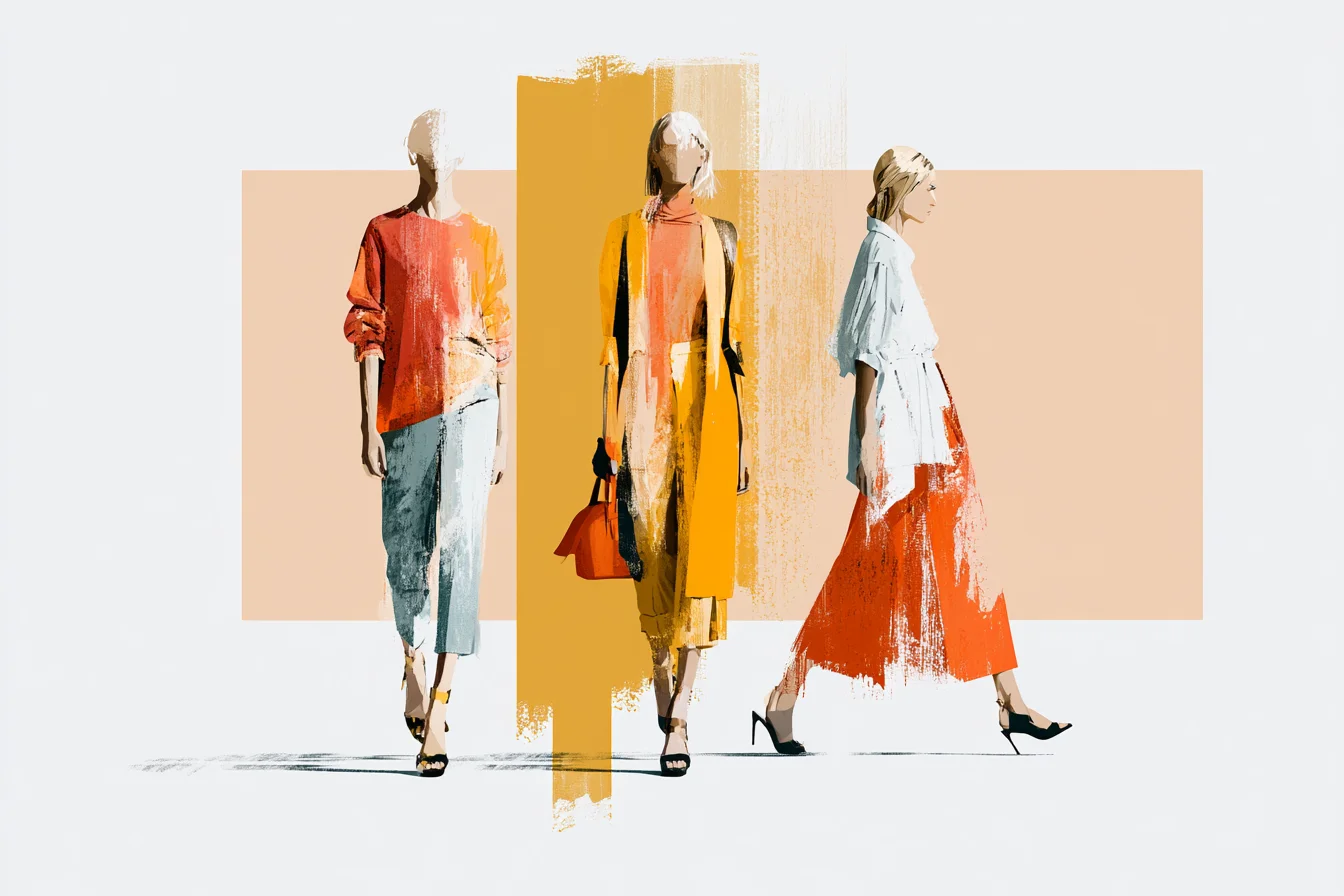
“No, Mum, it’s supposed to look like that,” I sighed into my phone. After dropping what was now an embarrassingly large percentage of my paycheck on this extremely expensive sack dress, I knew I was about to have to explain it to her. It was massive and shapeless, constructed in a stiff Japanese cotton that deliberately did not cling to any part of my body.
The hem was asymmetric and landed directly on the widest part of my calf. The neckline wasn’t sexy or modest or particularly flattering to either my face or décolletage. It just….was.
But I loved it. “But why?” she sputtered from across the country. “You have such a great figure. Why would you WANT to hide it?” I get it.
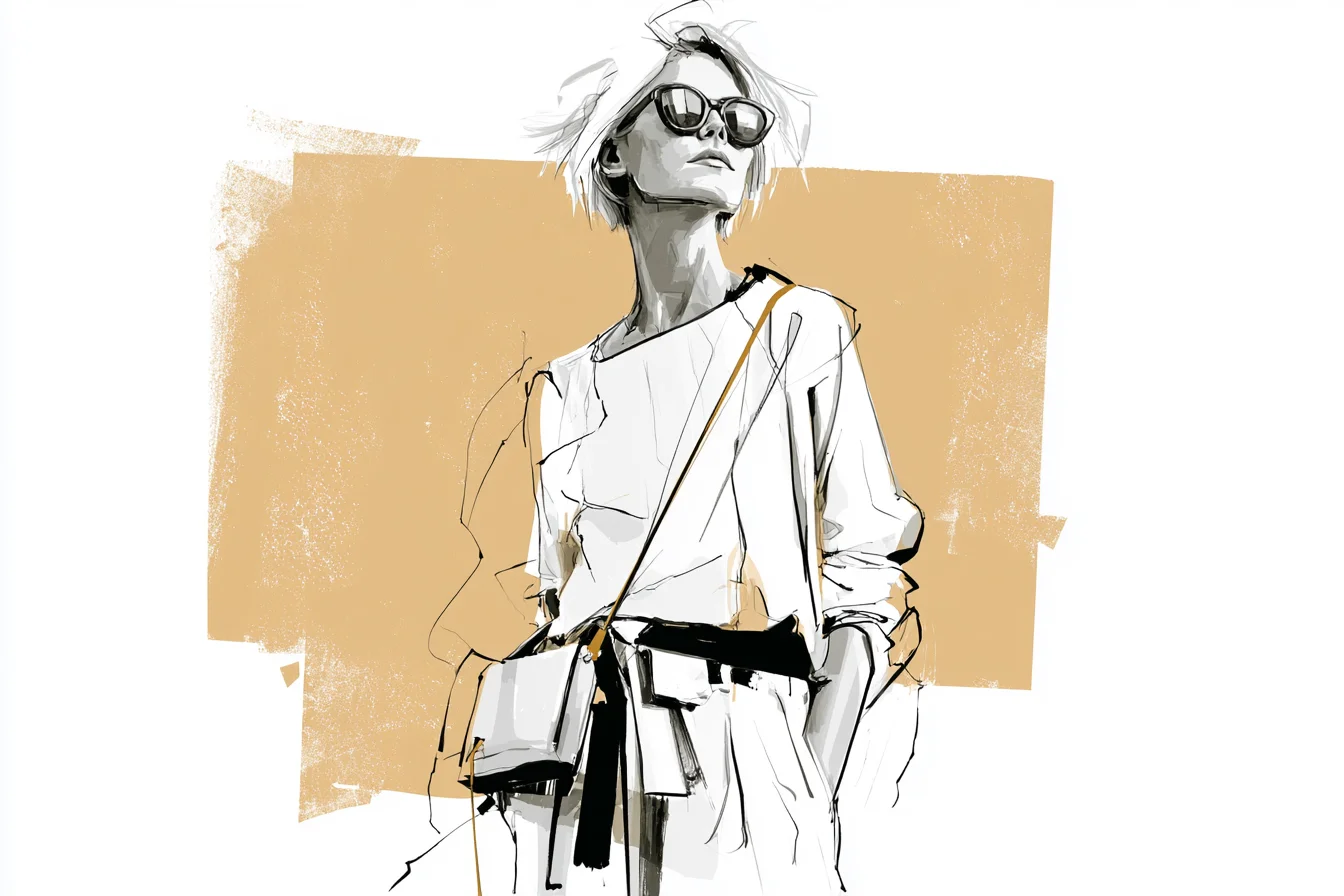
It’s a totally fair question, and one I stumbled my way through while trying not to sound like an asshole fashion-y person (which, fine, I am).
How do you explain to someone that sometimes dressing “well” or “put together” isn’t actually the goal?
Sometimes clothes are about interesting over attractive, bizarre over flattering, unexpected over easy. There is a huge gap between what we’re told to wear by well-meaning fashion writers/broadcasters/stylists (fit and flattered-only, people!
A-line skirts for your waist, V-necks to “elongate” your torso, wrap dresses because they “work on everybody!”) and what the people in the know actually wear. Here’s the thing. If you spend 5 minutes backstage at any industry event scrolling through Instagram at lunch, you will quickly notice that the editors, stylists, and buyers are intentionally wearing silhouettes that break every “ RULE “ written about in traditional style guides.
Our fashion director, Simone, showed up to our last editorial meeting wearing a baggy grey boiler suit that landed several inches above the ground and made her look like a Stepford wife who’d lost her way to the nearest nuclear reactor. She’s tall and thin and by all accounts should be worshiping at the altar of clothes that “show off her figure.” But no. Instead, she seeks out giant clothes that create more negative space around her body than anything else. “I like stuff that makes its own shape,” she shrugged when I complimented her. “Not necessarily mine.” That, right there, is the crux of fashion’s fascination with “unflattering” clothing.
The idea that your clothes can make a shape with your body instead of around it. That they can be art; modern, architectural, interesting pieces that don’t solely exist to decorate your body like wrapping paper on a gift. I didn’t notice how much this had infiltrated fashion culture until landing in Paris for Fashion Week a few years back.
After years of squeezing ourselves into skin-tight everything we surveyed the field of fashion’s coolest women and realised they were almost exclusively wearing things my mother would classify as “sacks.” Drop waist dresses in swirling fabrics that landed far below any natural waist, boxy jackets with giant shoulders paired with wide-legged trousers, skirts that fell Tonya Harding’s calves at their absolute widest point, and not an inch of garments trying to “highlight your best assets” or “hide your flaws.” They weren’t pretty. They weren’t sexy, and they certainly weren’t “flattering” in any conventional sense. But those women looked amazing.
Cool, as only fashion folks can pull off. Removed from the internet/popular pressure to dress in a way that would be universally understood as attractive, and into a world where looking “good” is whatever the hell you want it to be. Once I returned to NYC I started noticing this trend was everywhere in industry circles; oversized dresses were REPLACING the body-conscious silhouettes of yesteryear.
Suddenly every stylish person I knew was prioritising “silhouette” over traditional flattering shape. The design-forward aesthetic had officially left the runway and invaded our closets. Everywhere except for the mass consumption fashion world where diet-guilt ridden women were still being force-fed the same shapelessly restrictive diet of clothing meant to make us all think we had hourglass figures whether we did or not.
Why? When did this gap between “expert” fashion advice and what actual insiders wear become so drastic? And, more importantly, what would happen if we started embracing “unflattering” silhouettes?
Hold up. Let me clarify. When I say unflattering, I don’t mean trying to look bad.
I mean forgetting “good”=skinny=traditional beautiful, and instead opening yourself up to the idea that your clothes can take on your shape without actually being tailored to it. “I think when people say something’s unflattering,” Simone told me when I asked her for her thoughts on this story, “what they really mean is it doesn’t make you look as close to the beauty ideal as possible. But why is that the goal when you get dressed? I’d rather wear something that makes a statement or starts a conversation.” She’s exactly right.
Fashion insiders are more interested than ever in dressing with creativity instead of letting themselves be hamstrung by conventional rules of what flatters. Think: -The recent resurgence of drop-waist everything. Dresses, skirts, trousers!
Clothes with waistlines that actually sit ON your hips instead of at your narrowest point are having a major moment because they’re editorial, they look intentionally wrong, and instantly tell everyone who sees you that you don’t give a fuck about trying to look skinny. -Boxy blazers with barrel-leg jeans. WTF is UP with that?!? Together they completely upend every rule known to “female proportion,” including the archaic idea that you should wear something fitted if you’re going to wear something loose.
It creates one giant ill-defined blob from shoulders to ankles. According to the old way of dressing, it’shell hole. But actually it rules because so rebellious.
Last month I moderated a panel with three other fashion editors about “changing your style mindset” at a Refinery29 subscriber event in Soho. We arrived wearing basically the same uniform: Toneless top, toneless bottom, DO NOT EVEN TRY TO FIND MY WAIST. Someone asked us during the Q&A if we ever wear these shapes in real life or just for displays of editorial-themed courage.
Because in 2017, leaving the house without some sort of waist definition can feel dangerously rebellious. “I literally live in sack dresses now,” said Katherine, Elle’s fabulous accessories director when it was her turn to answer. “Once you stop feeling like your clothes need to mold to your body in order to be ‘well put together’ getting dressed becomes way more fun!” She’s not alone. Scroll through any fashion blogger’s Instagram these days and you’ll find closet after closet full of people who operate exclusively in laird-approved silhouettes. High-low midi dresses that cover your worst “problem area.” Extra-wide leg trousers that cut your leg at the biggest point.
Bumpier, boxier, wider clothing that exists in creative contrast to the tiny crop top/flattering trousers binary we’ve been tricked into thinking is the only option. These outfits aren’t sexy, and they sure as hell aren’t conventionally pretty. But they all lean HARD into a certain intent; a decidedness about your clothing choice that says “I know what I’m doing.” And to a fashion obsessed person, that translates to “Damn, I bet she only wears expensive clothes.” When in reality you probably thrifted the shit out of that oversized linen number.
That said, rocking artful silhouette does take confidence. Confidence you might not have when your roommate/fiancé/mum asks you why you’re wearing a sack dress and you literally have no arguments for it other than “fuck off, I like the way it looks.” I’ve got so many suggestions to “just belt it!” over the years I should buy stock in Webloom belting material. Not to mention dates sitting across from me silently judging my outfit choice because it doesn’t immediately communicate I’m wearing the tight clothes available solely for their sexual availability.
There’s a look I’ve come to love receiving when I wear aggressively fashion-forward (read: less than traditionally sexy) clothing out in the world; mostly from dudes. A mixture of confusion and disappointment, as if they’ve caught you cutting in line at Vinegar Hill when you were supposed to be waiting like everyone else. I like to think I wear that look proudly, as proof that I dress for myself first and dick-driven validation second.
But embracing garments that don’t necessarily “flatter” your body can feel life-changing once you break free of the idea that you HAVE to wear traditionally flattering clothes. It’s changed how I get dressed. Instead of trying to look good enough I’m now trying to look interesting enough.
It’s harder than it sounds. And that’s the point! Trust me, once you start buying into silhouettes more than specific things that “scan well” on your body you will look ultra fashionable by virtue of wearing things that don’t try to make you look skinny.
Because here’s the ironic truth about clothes that don’t follow traditional rules of female “flattery”: they end up becoming extremely flattering at making you LOOK like you know fashion. Like you’re one of the people wearing boxy trousers for reasons other than because you couldn’t fit into your skinny jeans. I wore this ridiculously structural Comme des Garcons number to dinner with industry friends a few weeks back and was stopped by not one, but THREE editors I adore specifically to ask me where I got the dress. “Love seeing women wear actual fashion versus just stuff that ‘flatters,’” wrote one of them when we exchanged Instagram handles.
No compliment has ever made me feel smarter about my clothing choices than that. My mother, of course, texts me about that exact same dress weekly to ask me why I didn’t “just buy something that fits.” It’s my favourite dress to send her as a reply because you can’t put those in a belt, Mum. It’s called architecture.
Still with me? Let’s say you buy into this idea but you’ve spent the last 25 years following traditional “how to flatter your figure” rules. That’s okay!
Start small. Try a pair of trousers that end at the widest point of your ankle instead of the narrowest. A blazer with exaggerated shoulders you team with something oversized instead of fitted.
A dress that has no waist definition whatsoever. Not to hide your figure. To create a new one.
An interesting one. A less predictable set of proportions that tell a STORY when you put on your clothes instead of just accentuating your body.
The kind of confidence that comes with wearing something unapologetically you can take you far.
Farther than poring over every inch of your body in the mirror looking for the things you hate before getting dressed each day.
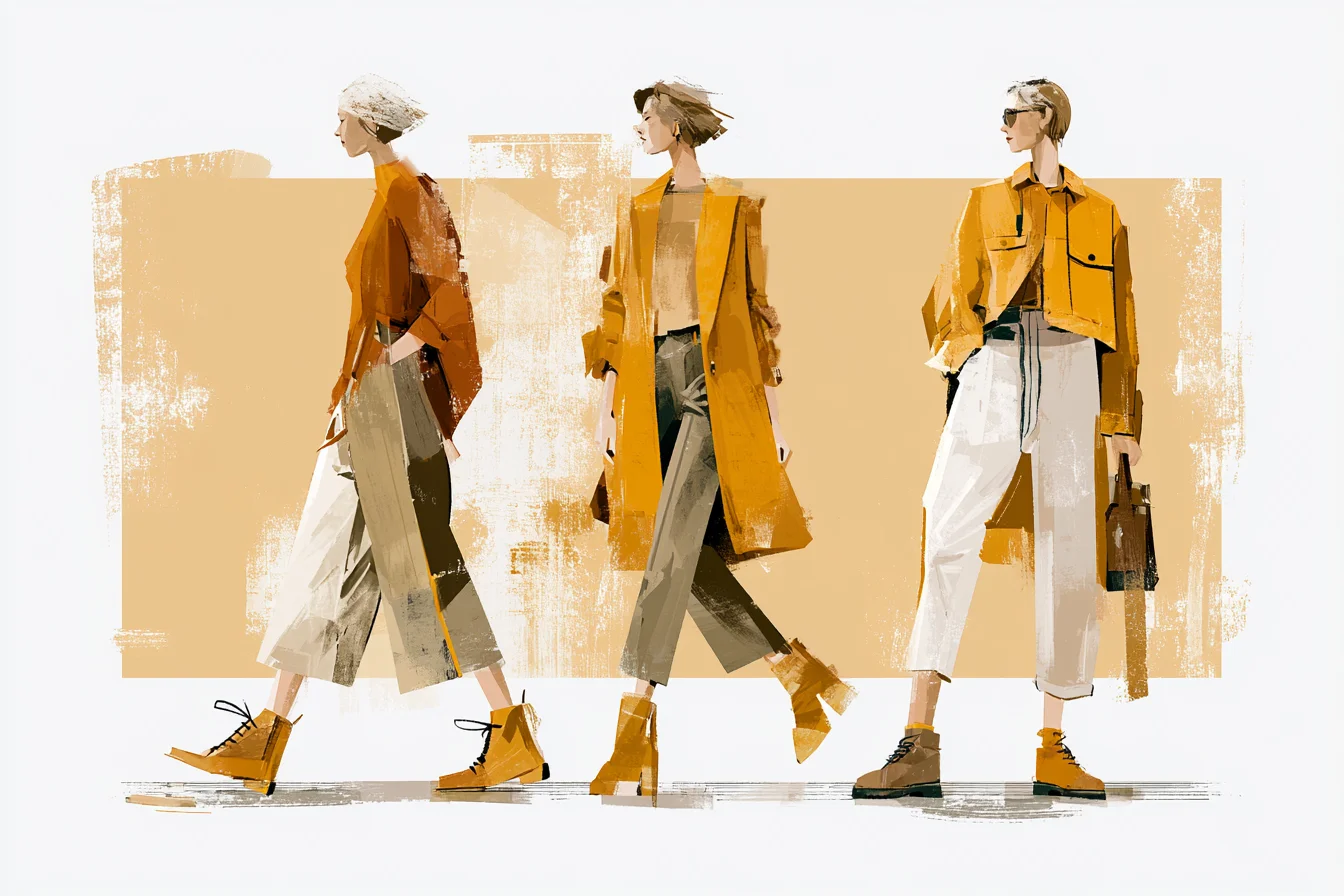
We were born with bodies that fill clothes in unique and wonderful ways. Let’s start celebrating that instead of hiding inside our garments for fear they won’t make us look skinny enough. “I wish women could wear cool silhouettes without someone questioning why they don’t have on something more flattering,” said Emma, our razor-sharp style editor as I was putting the finishing touches on this piece. “Nobody questions if a dude’s trousers are making his ass look big enough.
They’ll just ask if the trousers look good.” Guys can wear wildly unusual proportions without anyone batting an eye? All I want is the same courtesy. She’s totally right.
The most stylish guys in fashion are basically wearing small tents and no one cares because their clothes don’t come sized for individual bodies. They’re reviewed and critiqued on their own terms. Which, when you think about it, is how we should be looking at women’s clothing too.
As something more worthy of discussion than just how thin it makes us look. So no, my sack dress isn’t “doing something” for my figure. It’s not trying to make me look thinner/smaller/prettier.
It’s trying to look as interesting as it does when I wear it, and I think that’s pretty damn fashionable.


