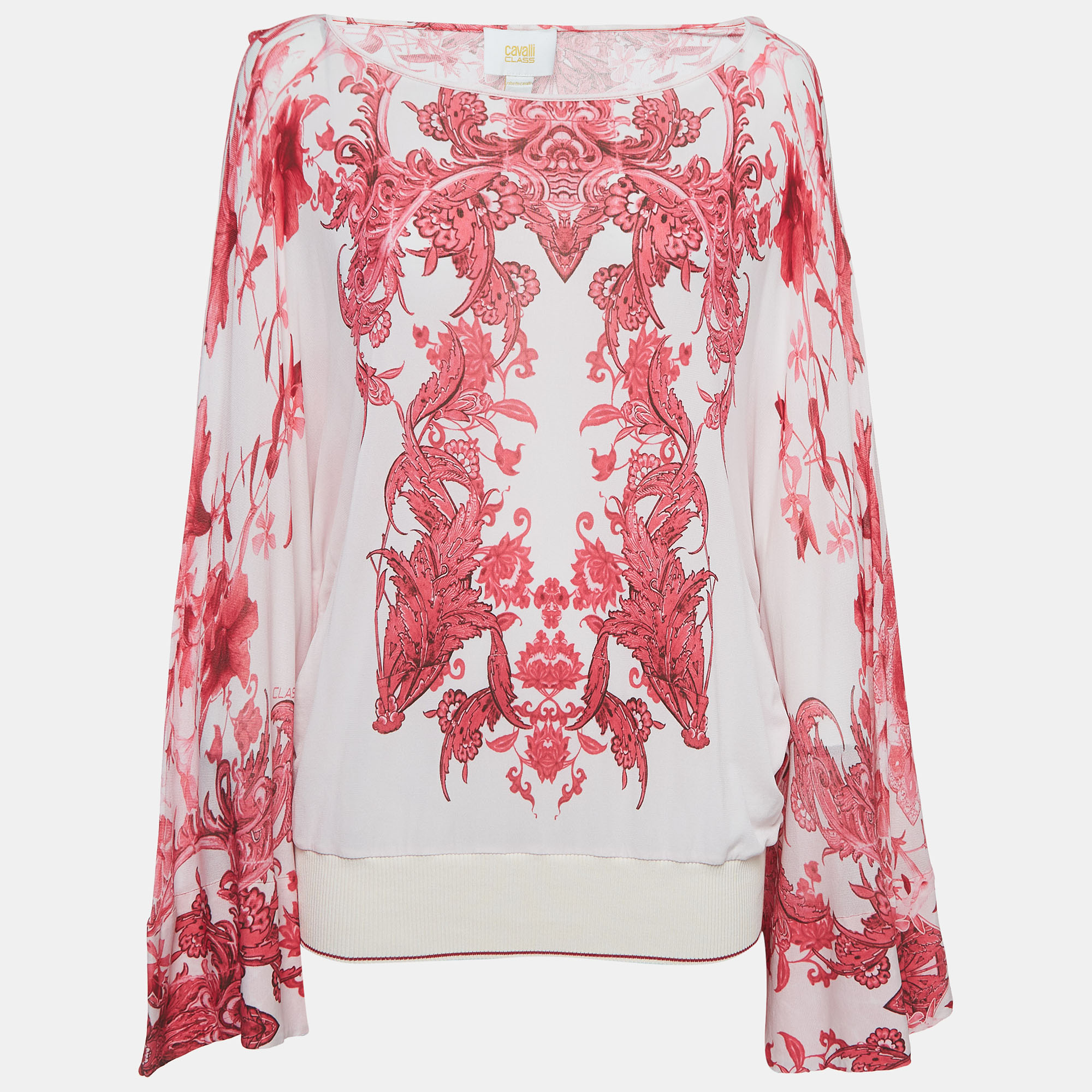
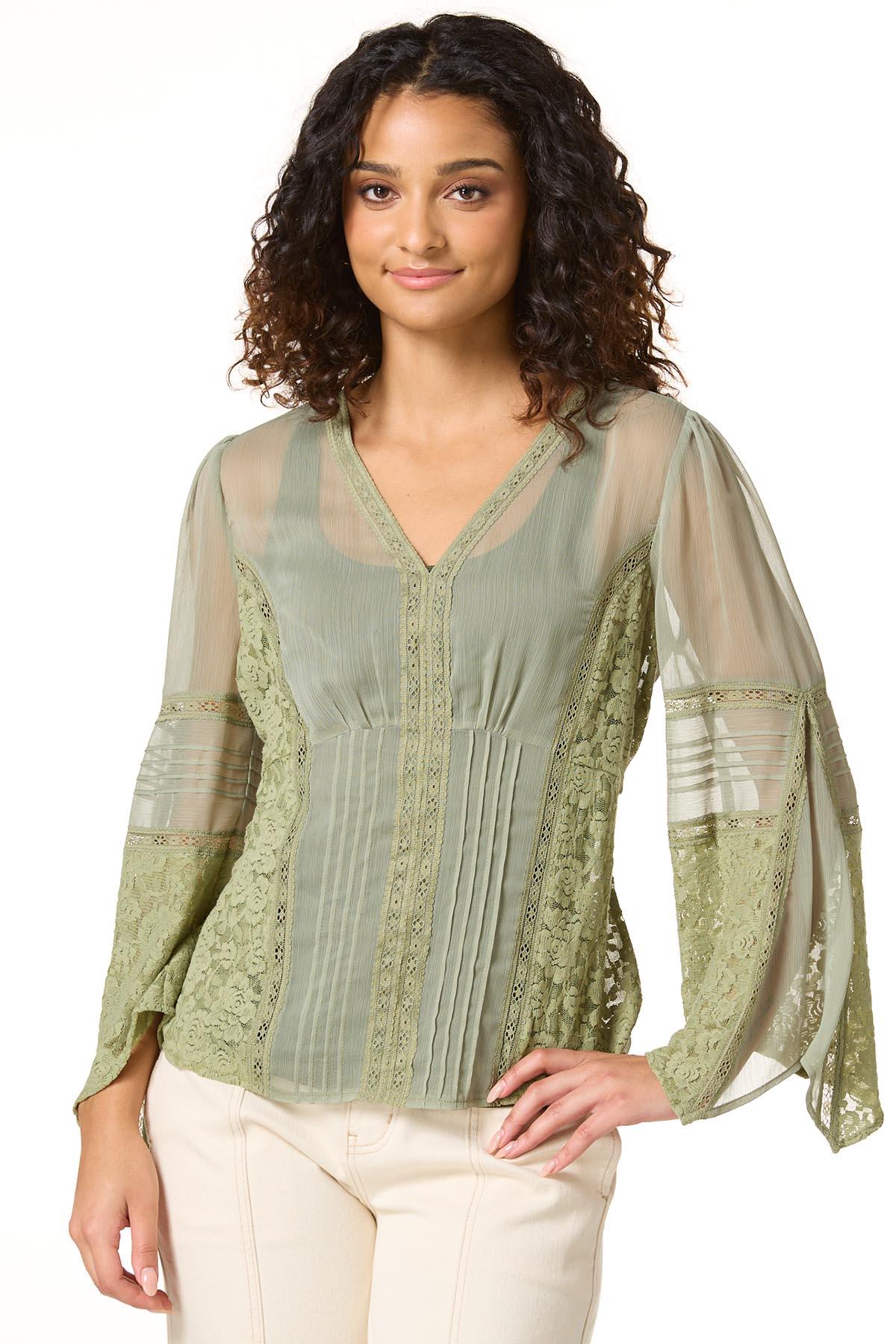
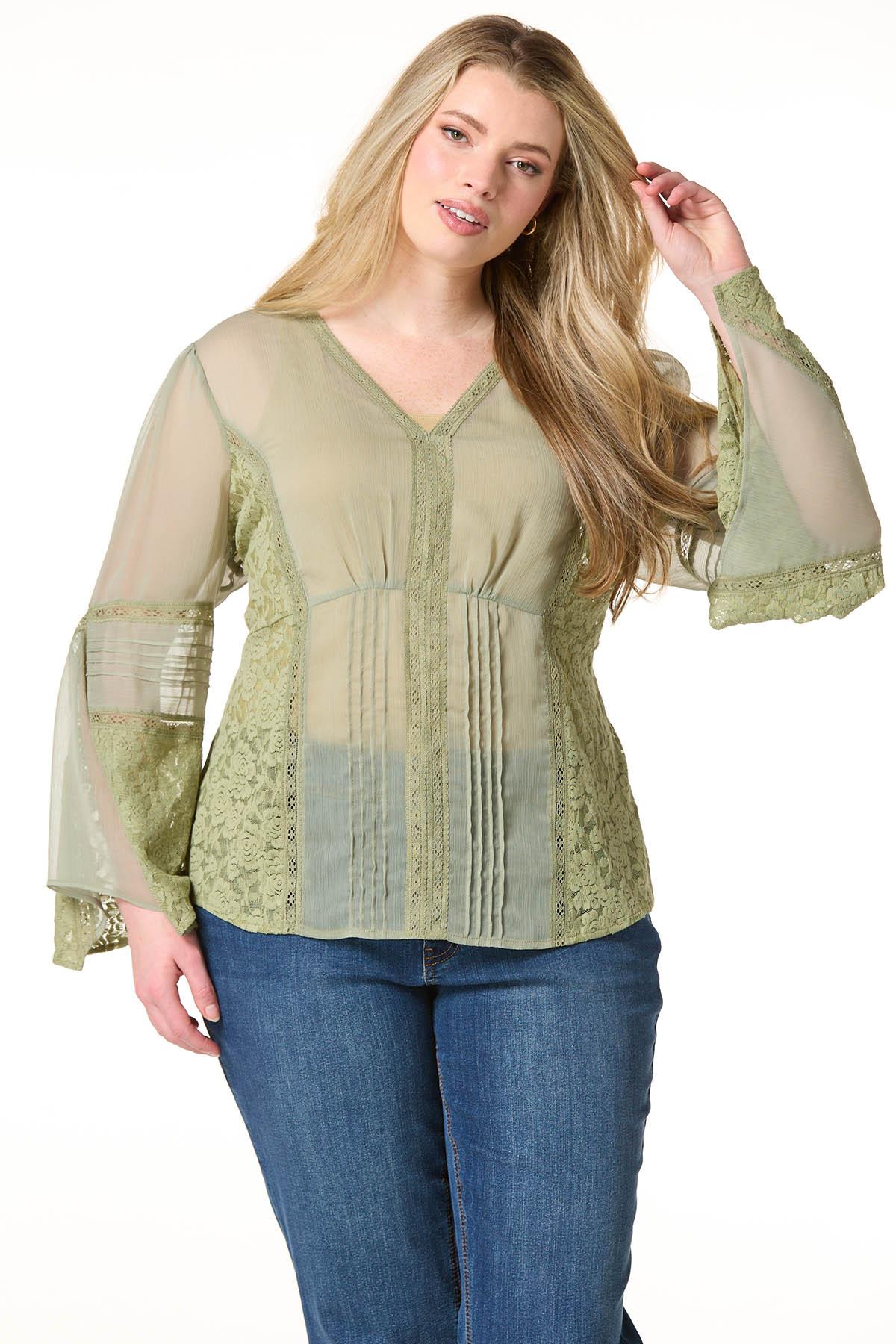
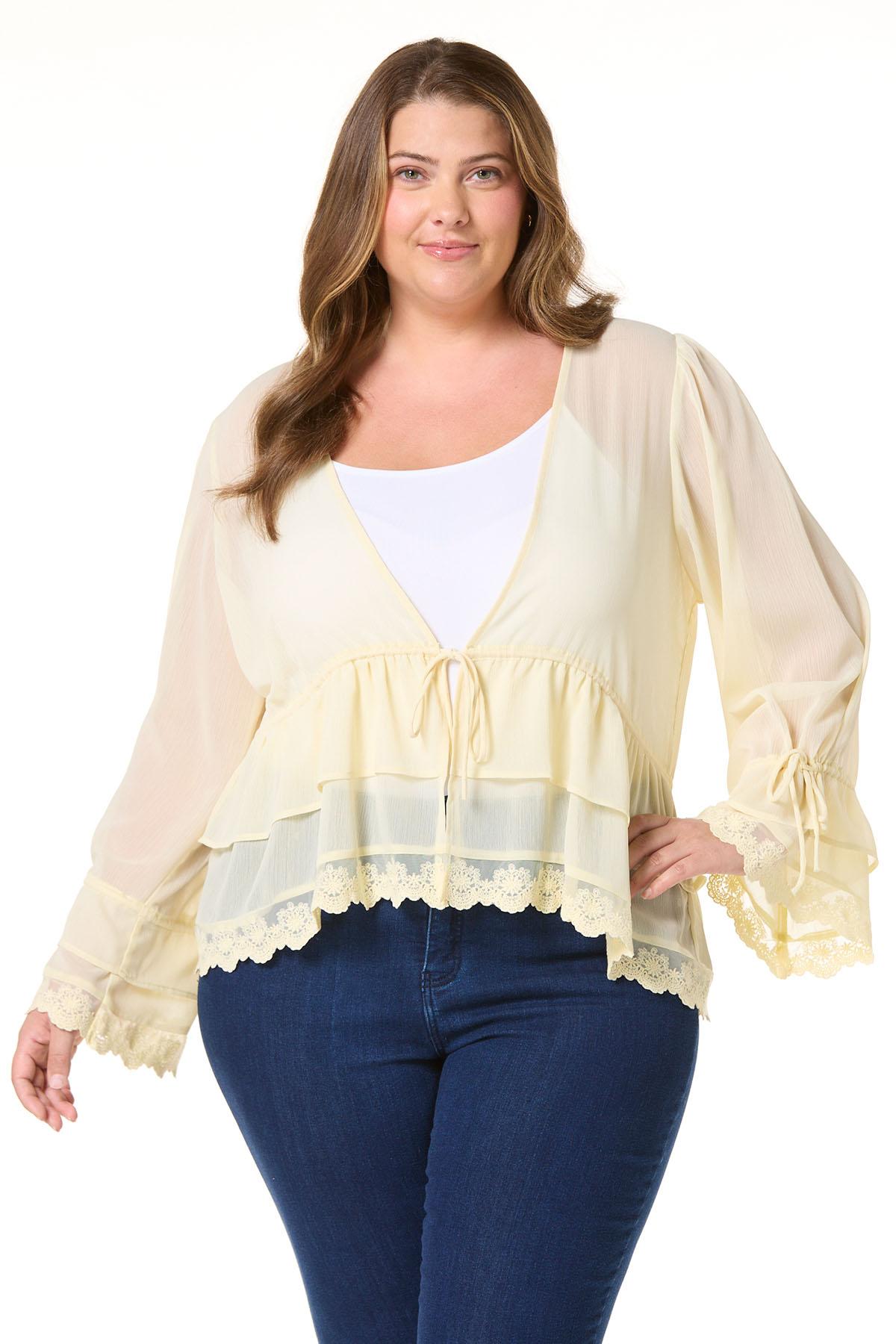
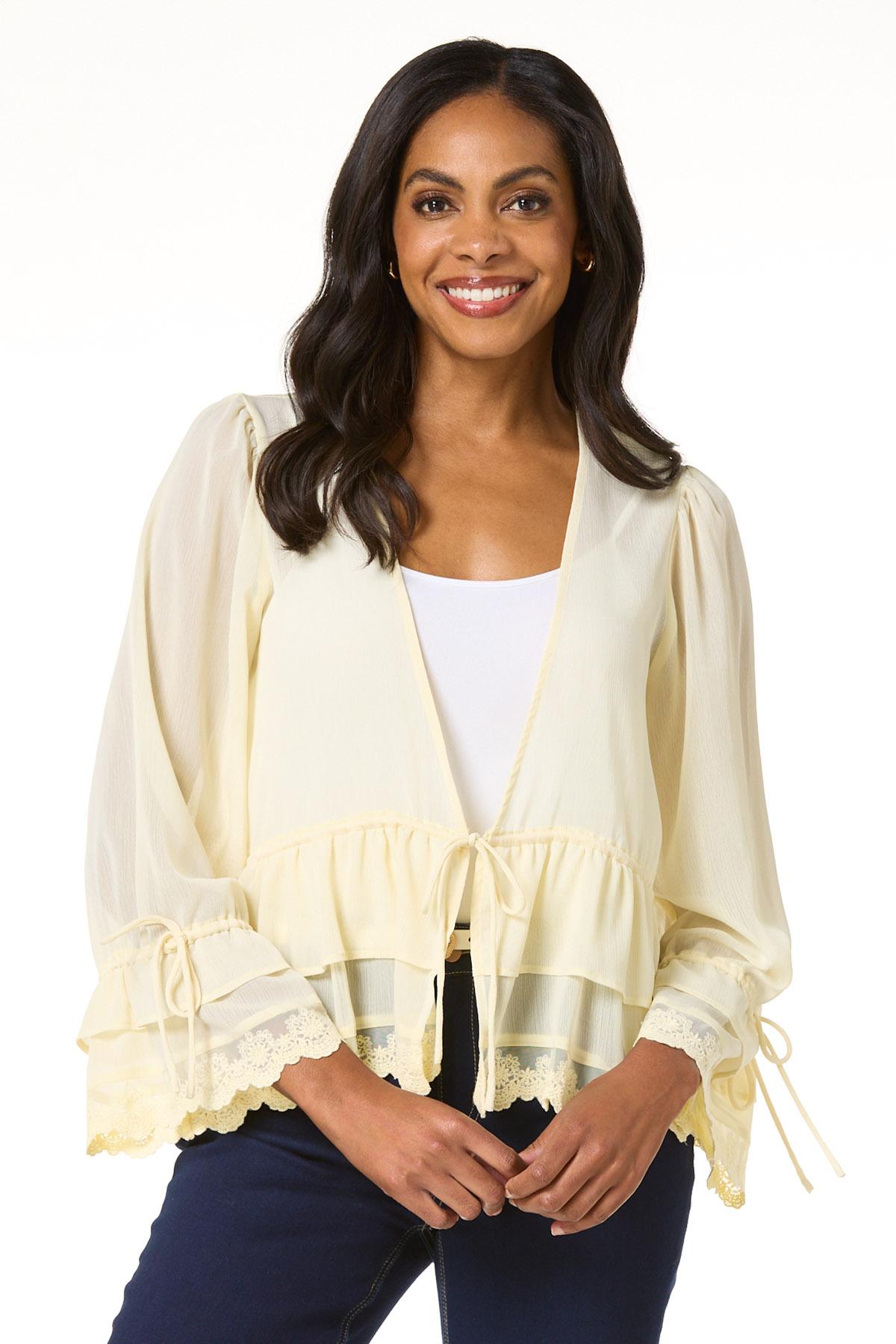
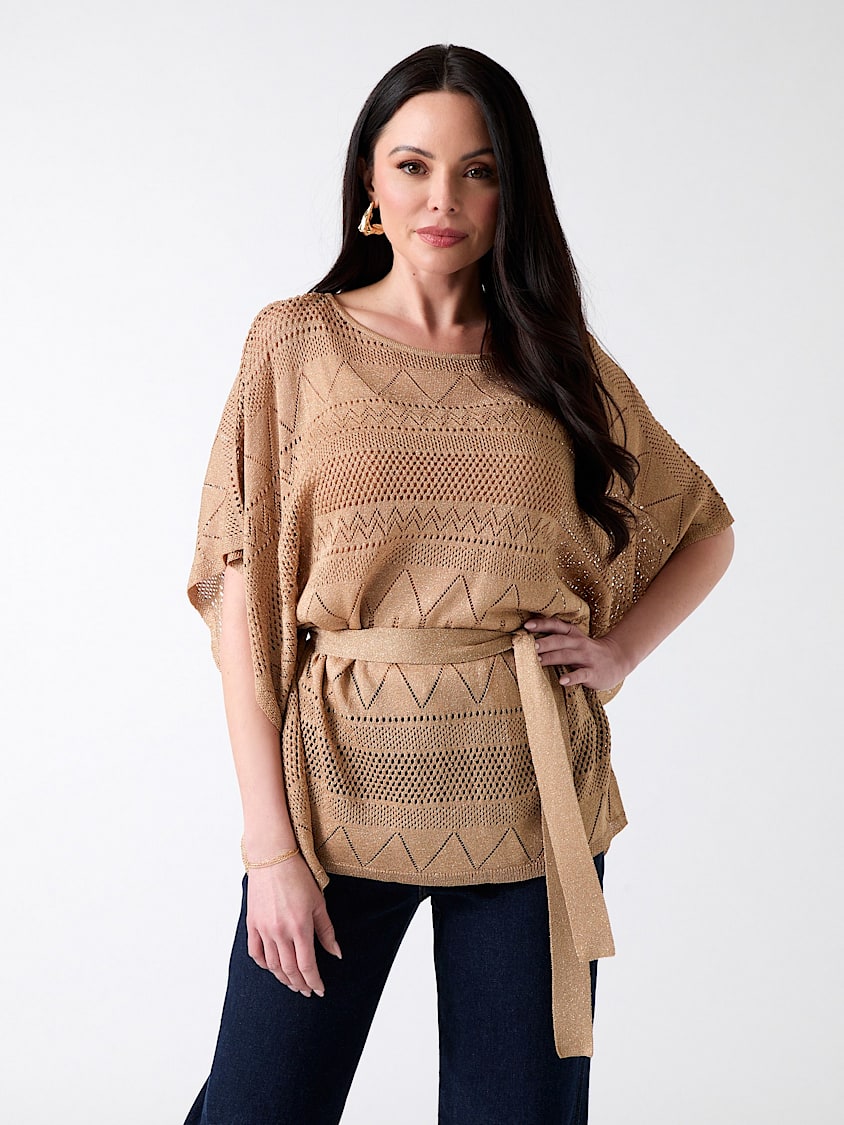
A good kimono top earns its keep on drape alone. The fabric has to move independently of the body, which means viscose, silk, and lightweight crepe outperform anything stiffer, and a hand feel test tells you more than a label ever will. If it clings or holds a crease when you scrunch it, put it back. The best versions fall open in a soft curve from shoulder to hem rather than hanging like a straight rectangle, which comes down to how the side seams are cut, often with a slight flare or a dropped underarm that gives the sleeve somewhere to go.
Length matters more than most people account for. Hip length works as a layering piece over fitted basics, while anything that hits mid thigh or longer starts to function as outerwear, which changes how you belt it and what you wear underneath.
A tie or sash at the waist is worth having even if you don’t always use it, since it gives you the option to shape a silhouette that would otherwise read as shapeless. Sleeve volume is the other detail to check properly.
Wide, dramatic sleeves look striking standing still but get in the way constantly if you’re actually doing anything, so think about what the day involves before committing to one.
As for styling, the kimono top does its best work as the layer that adds movement to an otherwise still outfit. Over a slip dress or a fitted tank and straight trousers, it introduces fluidity without adding bulk. Belted over denim, it becomes a jacket substitute for the in between weather months when a coat feels like too much. Pattern is where these pieces tend to earn or lose their place, since a good print behaves like a single graphic statement rather than busy noise, and a plain colour block version is often more useful precisely because it slots in without asking for attention.
Occasion wise, this is a category suited to the transitional moments in a wardrobe, evenings that start warm and end cool, daytime events where you want polish without formality, holiday dressing where layering is practical rather than decorative. It is not a piece for anything that demands structure. Choose one that moves properly, fits the shoulder well, and has enough weight to sit rather than float, and it will outperform pieces that cost considerably more.
Top Picks