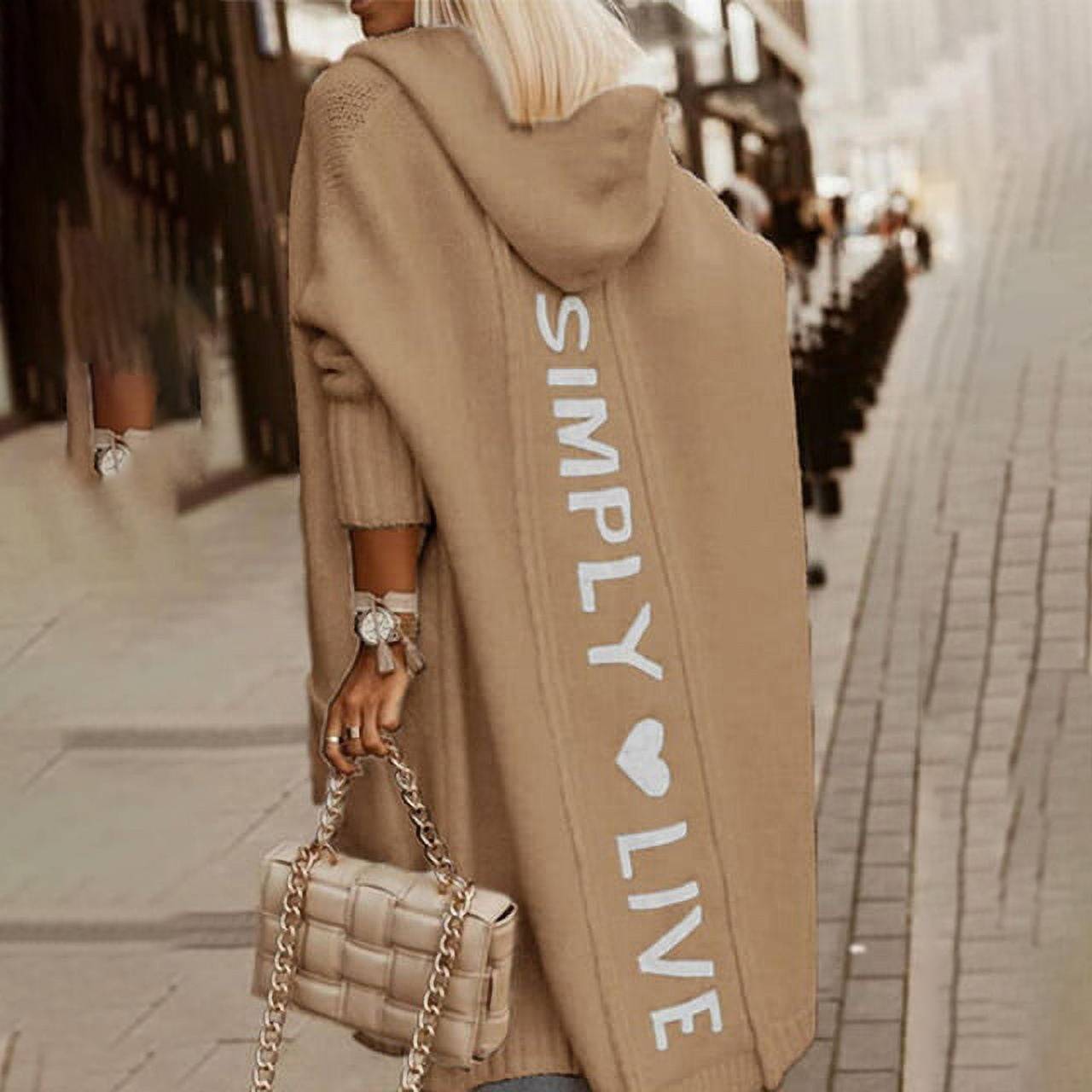
Wool has this reputation for being scratchy and uncomfortable, which is genuinely unfair to wool blends that have been properly constructed. The issue isn’t wool itself—it’s about fibre quality, blend ratios, and how the yarn is actually made. A good wool blend sweater is genuinely comfortable to wear directly against skin while providing warmth that cotton simply can’t match. Finding those at under £30 is genuinely valuable.
What I’ve learned about wool blend knitwear is that the blend ratio matters far more than many people realize. I find that blends of at least 50% wool provide genuine warmth benefits, but not so much wool that the piece feels heavy or stiff. The wool blend knitwear here uses ratios that balance warmth with wearability, meaning you’re getting functional winter pieces rather than pieces that look warm but actually feel uncomfortable against skin.
The yarn quality affects both comfort and longevity. I find that properly made wool blends feel soft and pleasant against skin, while poorly made ones can feel scratchy regardless of blend ratio. The wool blend knitwear here has been made from yarns that actually work with real skin rather than creating the sort of irritation that makes you avoid wearing the piece entirely. That’s a genuine difference in quality that affects how often you’ll wear it.
The construction method affects comfort significantly. I find that knitwear made from well-constructed wool blends actually feels better the more you wear them because the fibres soften through regular wearing. Poorly made knitwear just develops pills and loses integrity. The wool blend knitwear here has been constructed with attention to how the piece will actually age through seasons of wearing.
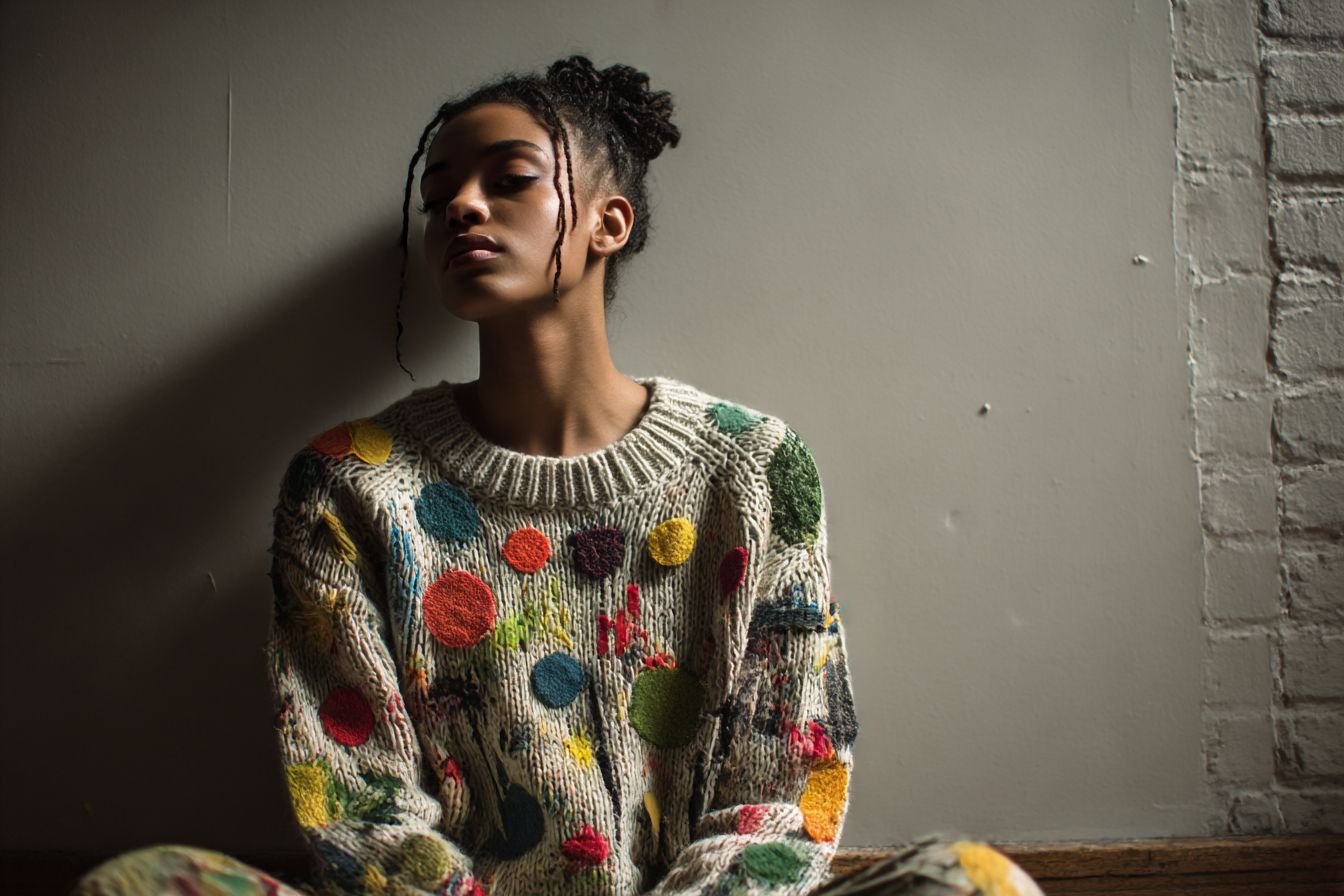
Weight is crucial for seasonality and practicality. I find that medium-weight wool blends provide genuine warmth without bulk, making them wearable through most of the year when layered appropriately. Heavy-weight wool blends are genuinely warm but they’re limiting because they only work for deeply cold weather. The wool blend knitwear here uses weights that maximize seasonality and versatility.
Colour choice affects both practicality and maintenance. I find that neutral wool blend pieces work more often with most wardrobes, and they also show wear less obviously than darker shades. Darker wool blends can look dated as they age because wear patterns show more obviously. The wool blend knitwear here uses colours that age gracefully through seasons of wearing.
What I appreciate most about wool blend knitwear is the genuine warmth it provides. You put on a wool blend sweater and you’re actually warm rather than just creating the illusion of warmth. That authentic functionality makes these pieces genuinely valuable, particularly at this price point where you’re getting actual wool rather than just synthetics.
The rib structure at the cuffs and hem needs genuine integrity. I find that properly constructed ribs maintain their tension through repeated wearing and washing, keeping the sweater shaped properly. Poorly constructed ribs stretch and distort quickly, aging the piece immediately. The wool blend knitwear here has been constructed with attention to actual durability through real wearing.
Layering compatibility is important because wool blends work beautifully as middle layers. I find that they work under jackets, over simple tees, standalone on cooler days. That versatility means you’re getting pieces that work across seasons and situations rather than single-season items.
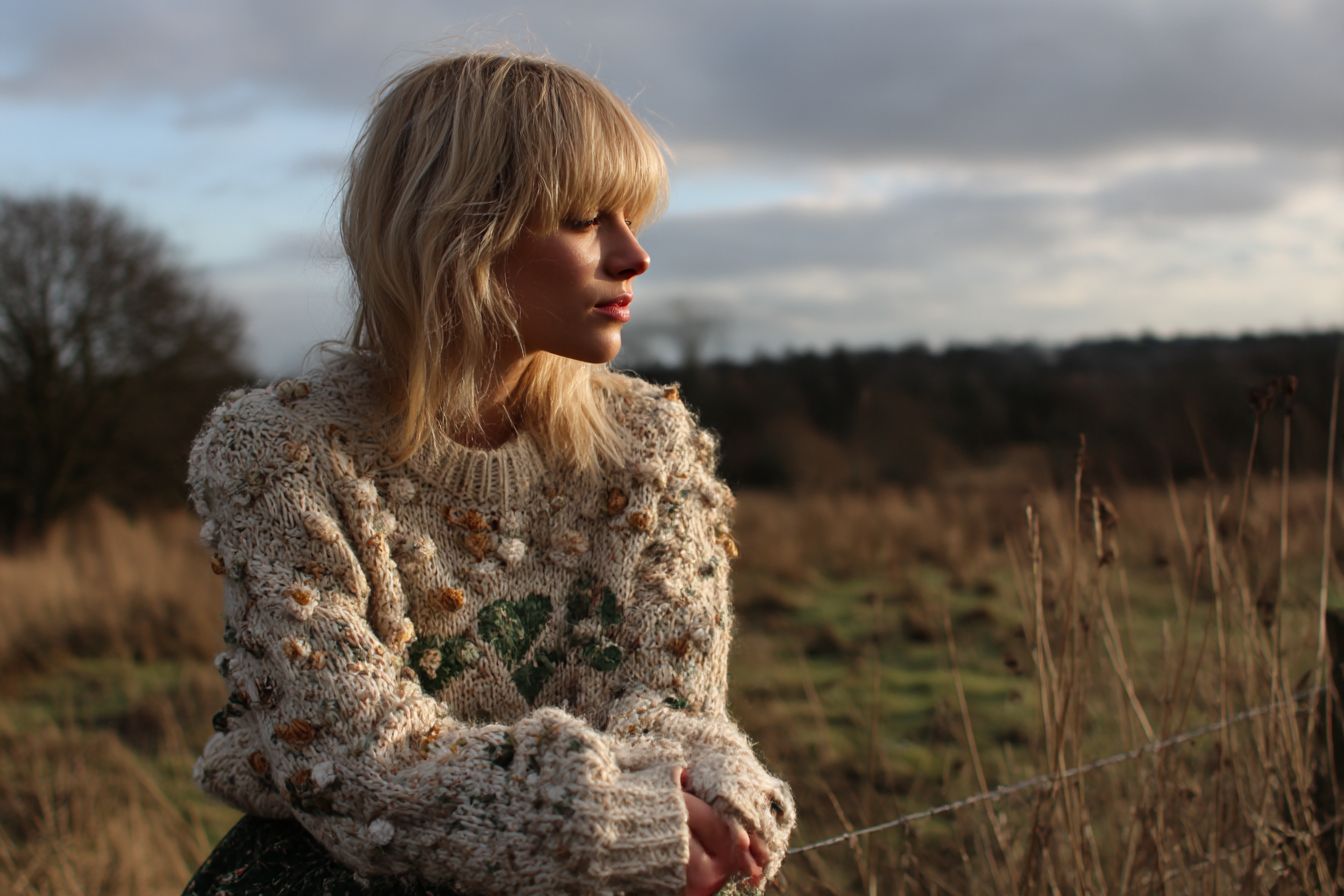
Fit through the shoulders and sleeves matters for comfort and how often you’ll wear the piece. I find that proper shoulder seam placement and appropriate armhole depth allow genuine movement without creating bulk or constraint. The wool blend knitwear here has been sized with actual bodies in mind.
Care requirements matter with wool blends. I find that knitwear that can handle gentle washing without requiring special treatment is genuinely more valuable because you’ll actually wear it often enough to justify owning it. The wool blend knitwear here has been selected with practical care in mind.
Length is important for proportion and layering. I find that knitwear hitting around hip-length works most versatilely with different body types and bottoms. The wool blend knitwear here uses lengths that work properly rather than expecting everyone to fit a single standard.