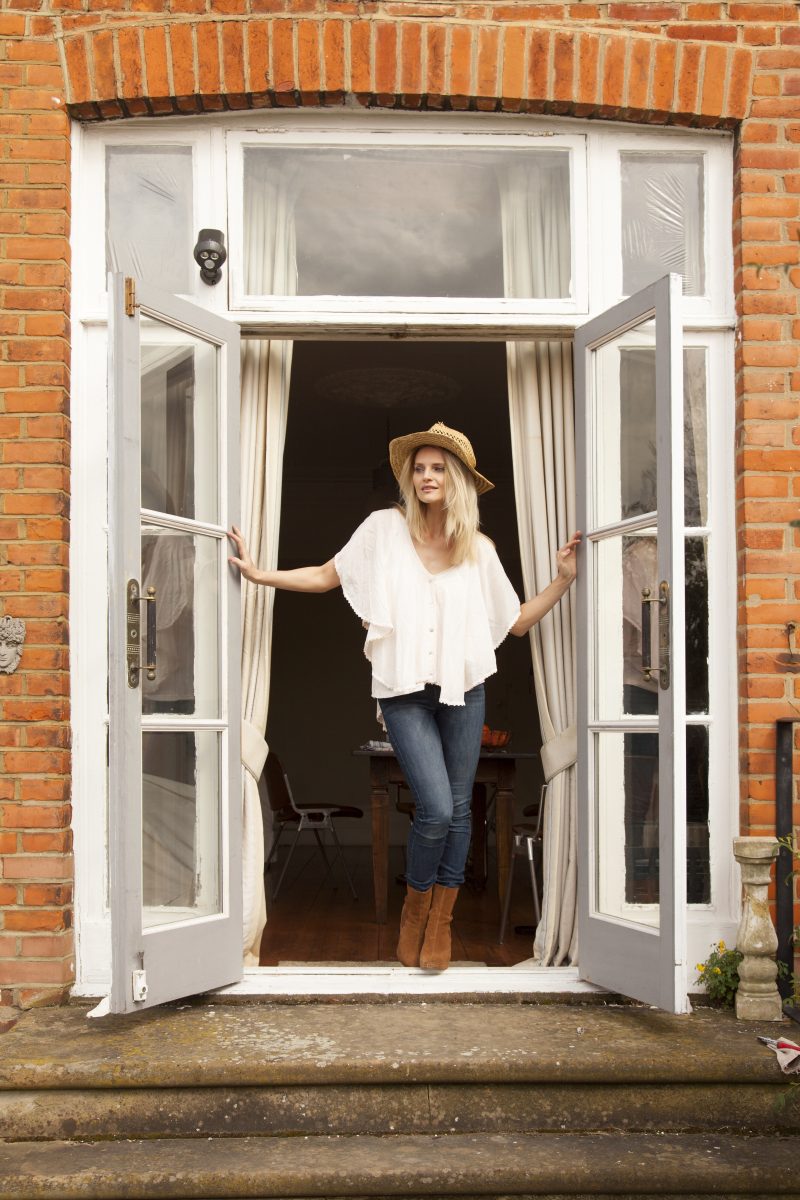
The invitation literally sat on my kitchen counter in Boston for a week. Not three days like a normal person would hesitate – a full seven days of me walking past it, picking it up, putting it back down, and having what can only be described as an identity crisis. “Marcus and I would be absolutely delighted if you could join us at Brambleworth for the long weekend,” written in that effortless cursive that screams generational wealth and probably boarding school calligraphy classes.
Marcus is this guy from Harvard Business School who somehow ended up being my friend despite the fact that his family owns half of the Cotswolds and my family… well, let’s just say we were thrilled when we finally saved enough to move out of our tiny apartment in Atlanta when I was twelve. The man casually mentioned over drinks that his “cottage” has eight bedrooms and I nearly choked on my martini.
I mean, I work in finance now, I can afford nice things, but there’s a difference between having money and having *family estate passed down through generations* money, you know? The kind of wealth where you don’t even think about it because it’s just always been there, like oxygen or central heating.
My friend Sarah was absolutely no help. “Oh my God, you have to go,” she kept saying while I spiraled. “It’s like Pride and Prejudice but with better plumbing!” Easy for her to say – she grew up in Connecticut where people summer in the Hamptons. I grew up where “fancy dinner” meant Red Lobster on someone’s birthday.
But here’s the thing about growing up working class and then landing in corporate America – you get really, really good at reading rooms and adapting. It’s basically a survival skill. So after a lot of Google searches that probably put me on some kind of watch list (“what do rich British people wear to dinner in their own house”), I decided to treat it like any other professional challenge.
Three English country weekends later – because apparently once you survive one, they keep inviting you back like you’re some exotic species they want to study – I’ve cracked the code. Sort of. Well enough that I don’t embarrass myself anymore, anyway.
The first thing you need to understand is that packing for a country house weekend is nothing like packing for a normal weekend. Nothing. I showed up to my first one with a small overnight bag like I was going to a hotel, while everyone else looked like they were relocating permanently. Marcus’s sister Emma literally brought four suitcases for two nights. Four.
“Why do you need so much stuff?” I asked her, genuinely confused.
“Well, you never know what we might end up doing,” she said, like that explained everything. And honestly? It kind of does. These people live in a constant state of preparedness for spontaneous activities that require specific outfits. Impromptu horse riding? Need the right boots. Sudden dinner party? Better have something elegant. Someone suggests tennis at ten PM after too much wine? Can’t possibly play in the wrong clothes.
Coming from a world where “being prepared” means having both an umbrella and a phone charger, this level of outfit readiness was baffling. But when you grow up with unlimited closet space and no real budget constraints, I guess the idea of traveling light seems unnecessarily limiting.
So first lesson: pack way more than you think you need. Like, embarrassingly more. But what exactly?
Here’s what I’ve learned works. You need jeans, but not just any jeans – nothing too tight, nothing distressed, nothing with obvious branding. Think straight-leg dark wash that could almost pass for proper trousers if you squint. I wore my favorite AG jeans with the strategic knee rips to breakfast my first morning and got the kind of polite stare you give to someone wearing flip-flops to a funeral.
For tops, everything needs to layer because these houses are basically beautiful freezers with art collections. Proper English country houses were built before central heating was invented and apparently no one’s gotten around to fixing that particular oversight. Button-down shirts, lightweight sweaters – cashmere if you can swing it, merino if you can’t – and at least one blazer that doesn’t scream “quarterly earnings meeting.”
The color thing is crucial too. Rich people have this weird aversion to anything that could be described as “cheerful” or “attention-grabbing.” They stick to what I call “trust fund colors” – navy, burgundy, forest green, mustard, and about twenty different shades of beige that all have names like “oatmeal” and “stone” and “morning mist.”
I made the mistake of wearing a bright coral sweater to lunch during my second visit. The silence wasn’t hostile exactly, just… confused. Like I’d shown up wearing a Halloween costume. Marcus’s mother eventually said, “What a vibrant choice, darling,” in the tone you’d use to compliment a toddler’s finger painting. That sweater has never seen England again.
For evening – and yes, they actually do dress for dinner even though it’s happening in their own house – you need something properly elegant but not sexy. These aren’t the kind of people who do plunging necklines or bodycon anything. Think midi dresses with actual sleeves, or nice trousers with silk blouses. I ended up buying this dark green dress from Theory specifically for these occasions. Cost more than my first car payment, but it’s gotten me through probably six different posh dinners now and always feels appropriate.
Shoes are their own category of stress. You need wellies for the inevitable “let’s walk the grounds” activities – and there’s apparently a whole hierarchy within the wellington boot world that I’m still figuring out. Hunter boots work but they’re a bit obvious. Le Chameau or Aigle are more insider choices if you’re trying to blend in, but honestly any plain dark green or black wellies will do. Just nothing patterned – polka dot rain boots scream “I bought these specifically for this weekend.”
Then you need comfortable day shoes for indoors – loafers, simple sneakers, ankle boots – and evening shoes that are elegant but not too high because these houses have uneven floors and gravel driveways that are basically death traps if you’re wearing stilettos. Especially after the generous wine pours that seem to be standard operating procedure.
The accessory situation is where you can actually show some personality without causing a diplomatic incident. A colorful scarf, interesting earrings, maybe an unusual necklace. I’ve noticed that the women who look so understated from far away often have the most amazing jewelry up close – like earrings shaped like tiny horses or necklaces made from antique coins. It’s where they let themselves have fun within the rules.
But the most important accessory is acting like you’re not completely blown away by everything. Marcus warned me about this before my first visit: “Try not to gawk at everything like you’re on a National Trust tour. It’s just home to us.” Just home. With fourteen bedrooms and original Gainsboroughs on the walls. Sure.
What nobody tells you is how scheduled everything is. There’s this rhythm to the days that feels like it hasn’t changed since 1910. Breakfast happens between eight and nine-thirty – help yourself from the sideboard, very casual. Then there’s usually some outdoor activity planned. Lunch is weird – sometimes elaborate, sometimes just soup and sandwiches depending on what’s happening that afternoon.
Tea happens at exactly four o’clock with tiny sandwiches and cakes on those tiered stands like you see in movies. Then everyone disappears to “rest and change” before drinks at seven, dinner at eight, and some kind of entertainment after – cards, charades, or just sitting around drinking whisky that costs more than my monthly grocery budget while discussing people I’ve never heard of.
My minimum packing list now includes: one proper waterproof jacket (waxed cotton Barbour-style is ideal but any subdued rain jacket works), one warm sweater for outdoor stuff, one blazer for indoor daytime, two pairs of dark jeans or trousers, three shirts that can layer, one smart dinner outfit, wellies, day shoes, evening shoes, pajamas you wouldn’t be embarrassed to wear to breakfast – because you will encounter people in the hallways – and a robe for navigating shared bathrooms.
Oh, and pack a hot water bottle. I’m not joking. These places are freezing at night and the heating systems are apparently more decorative than functional.
Things to absolutely not bring: anything with obvious designer logos, anything too trendy or fashion-forward, anything that screams “look how expensive this was.” The truly wealthy wear things that are well-made but deliberately understated. Quality is assumed, not advertised.
The most useful thing I ever packed wasn’t clothing – it was a hostess gift. Not wine, they have cellars full of better stuff than I could afford. Not flowers, the gardens are literally award-winning. I brought this beautiful leather-bound journal I found at an independent bookstore in Cambridge. Marcus’s mother was genuinely delighted, not because she needed another notebook, but because it showed I understood you never arrive empty-handed.
Other gifts that have worked well: unusual preserves or specialty foods with good stories, small-batch spirits, beautiful candles or soap, anything related to their hobbies. Emma’s obsessed with her vegetable garden, so I brought her heritage tomato seeds from this specialist company I found online. That got me upgraded from a regular guest room to one with its own bathroom, which in a house with twelve people sharing three bathrooms is basically winning the lottery.
The thing is, despite all the weird rules and intimidating surroundings, these are just people. Wealthy people with completely different reference points than mine, sure, but still capable of normal human connection. Most of them are actually curious about lives different from theirs, even if they sometimes express that curiosity in ways that make you want to start a revolution.
During my third country weekend, I mentioned growing up in a small apartment in Atlanta. Brief awkward silence, then the hostess said, “How interesting! That must have been so… authentic.” I decided to take it as genuine interest rather than condescension, and we ended up having this surprisingly real conversation about family and money and expectations.
The best approach I’ve found is just being honest without being defensive. Yes, this world is completely foreign to me. No, I don’t know all the unwritten rules. But I’m here as myself, not trying to pretend I grew up differently than I did. The moments of real connection – like ending up in the kitchen at midnight with Marcus and his cousins, drinking tea and talking about our careers while all the formal stuff fell away – make the awkward moments worth it.
If you find yourself with an invitation to a world your background didn’t prepare you for, here’s my advice: pack more than seems reasonable, stick to understated classics, bring a thoughtful gift, and remember that underneath all the grand houses and weird social protocols, we’re all just people trying to figure things out. Even the ones whose families have been figuring it out in the same house for four centuries.

By day, Jasmine works in finance. By night, she writes about making corporate fashion actually interesting. Her Boston wardrobe proves office-appropriate doesn’t have to mean boring, and that investment dressing can be both powerful and personal.