I’ve always been suspicious of any fashion advice that promises to be “foolproof.” Twenty-seven years of getting dressed and fifteen years in the fashion industry have taught me that personal style is more art than science, more intuition than equation. So when my assistant Mia burst into our Monday morning meeting insisting I needed to see the “outfit math” formula that was “literally changing lives” on TikTok, I was, shall we say, skeptical.
“It’s not just another stupid formula,” she insisted, scrolling frantically through her phone. “People are calling it life-changing. Even my brother—who once wore the same Black Keys t-shirt for an entire week—said it ‘kinda works.'” Coming from a 23-year-old guy whose fashion ambitions previously peaked at matching his socks, this was apparently significant endorsement.
My journalistic curiosity (and, fine, a slow content week) led me down a rabbit hole of videos all centered around a suspiciously basic-looking formula: Base + Interest + Completer + Accessories = Perfect Outfit. Videos demonstrating this formula have collectively amassed over 800 million views and inspired thousands of duets, with creators and regular people claiming it’s revolutionized their approach to getting dressed.
“This isn’t exactly differential calculus,” I muttered to myself, watching the fifteenth person excitedly show how they’d achieved a “perfect 10/10 outfit” by following four simple steps that essentially boiled down to “wear clothes, but make them interesting.” Yet something about the formula’s apparent simplicity was clearly resonating. When a technique goes viral across demographics—from teenage fashion enthusiasts to middle-aged professionals who previously considered “getting dressed” and “putting on clothes” to be synonymous activities—it’s worth investigating.
So I did what any reasonable fashion editor would do: I called a mathematician.
“From a mathematical perspective, what you’re describing isn’t really a formula in the traditional sense,” explained Dr. Elena Rodriguez, applied mathematics professor at NYU and unexpected fashion enthusiast. “It’s more of a framework or algorithm—a sequence of steps that, when followed, consistently produces a desired outcome. The brilliance is in its balance between structure and flexibility. It’s constrained enough to prevent decision paralysis but open-ended enough to allow for personal expression.”

In other words, it’s training wheels for your wardrobe. But effective training wheels, apparently.
Let’s break down this “mathematical” approach to getting dressed:
The formula starts with a Base—your foundational garments. This typically means your main clothing items like pants, skirts, dresses, or shorts paired with a top. The key instruction here is to start with pieces that fit well and provide a solid foundation, regardless of how basic they might be.
Next comes the Interest piece—the item that elevates your outfit from basic to intentional. This could be a textured sweater, a patterned shirt, colored pants, or any element that adds visual intrigue. TikTok creators emphasize that the Interest doesn’t have to be dramatic; subtle texture, an unexpected color, or a slight pattern can be sufficient.
The third element is the Completer piece—typically an outer layer like a jacket, cardigan, vest, or overshirt that literally “completes” the silhouette. According to the formula’s evangelists, this is the component most people skip when they feel their outfit is “missing something.”
Finally, Accessories are added—the jewelry, bags, scarves, hats, or shoes that personalize the look and add refinement. The formula suggests that accessories should complement rather than compete with your Interest piece.
What makes this approach different from traditional styling advice is its systematic nature. Rather than vague directives like “add a pop of color” or “accessorize appropriately,” it provides a checklist that’s concrete enough for fashion novices to follow but flexible enough for creative interpretation.
“I was always a jeans and t-shirt guy, but I could never figure out why some people in the same basic outfit looked put together and I looked like I just rolled out of bed,” explained Marcus, a 34-year-old graphic designer I interviewed about his experience with the formula. “Turns out I was missing the Completer piece and intentional accessories. Adding a chore jacket and actual thought-out accessories instead of just grabbing whatever watch was closest has completely changed how I look in basically the same clothes.”
Marcus’s experience was echoed by nearly everyone I spoke with. The formula didn’t necessarily change WHAT they were wearing so much as HOW they were putting items together and which categories they made sure to include.
“I already owned everything I needed to look significantly better,” said Taylor, a 42-year-old consultant. “I just wasn’t wearing them in the right combinations. I’d wear the base and maybe an interest piece, but I’d skip the completer layer even though I have a closet full of jackets and cardigans. Now I look put together for client meetings with the exact same wardrobe.”
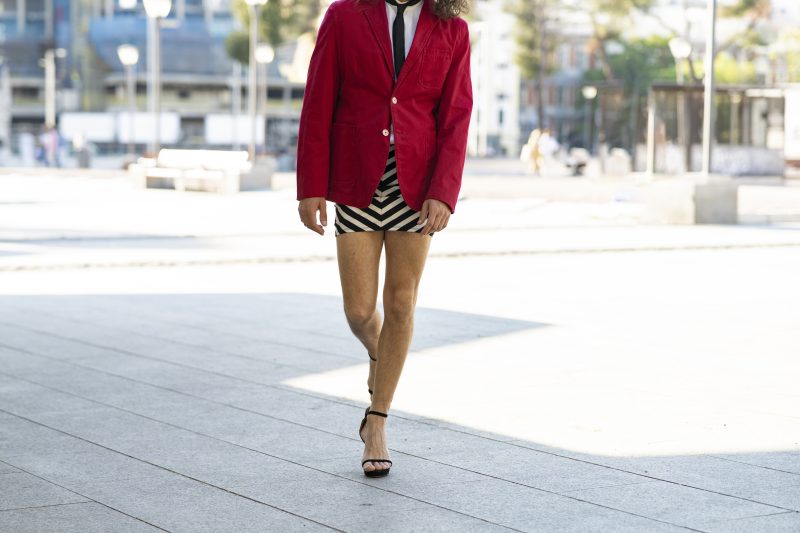
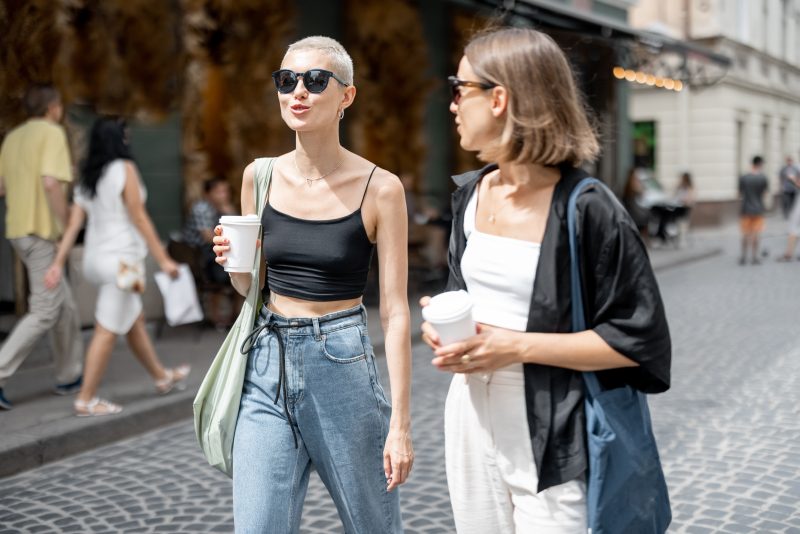
What surprised me most during my research was how the formula appears to be democratizing style across age groups, body types, gender identities, and fashion preferences. Scroll through the hashtag and you’ll see goth teenagers, middle-aged professionals, plus-size fashion enthusiasts, and minimalist grandmothers all applying the same principles to wildly different aesthetics.
“The beauty of it is that it works regardless of your personal style,” explained Kyra, a TikTok creator with over 2 million followers who has made the formula central to her content. “Whether you’re into avant-garde fashion or classic preppy looks, the structure helps eliminate the guesswork while still honoring your aesthetic preferences.”
To test this claim, I enlisted five Style Compass USA team members with dramatically different personal styles to try the formula for a week. The results were surprisingly consistent:
Emma, our minimalist production manager who lives in neutrals, found that being intentional about her “interest” piece (usually subtle texture or architectural shapes) and never skipping her “completer” (usually an oversized blazer) made her monochromatic outfits look deliberately minimal rather than boring.
Zoe, our maximalist market editor who never met a pattern she didn’t like, discovered that having a structured approach actually helped tame her sometimes chaotic combinations. “It made me more intentional about which piece was playing which role instead of just throwing everything interesting I own together,” she admitted.
Miguel, our streetwear-obsessed social editor, realized he was consistently skipping the “completer” piece in warm weather. Adding a lightweight overshirt or vest instantly elevated his summer looks from basic to considered.
Aisha, our trend forecaster who changes aesthetic tribes weekly, found the formula flexible enough to accommodate her mood-based dressing while providing enough structure to make even her most experimental outfits look intentional.
And Jennifer, our 58-year-old executive editor who describes her style as “classic with a twist,” discovered that she’d been under-accessorizing for years. “I’d carefully choose everything else and then grab the same black pumps and pearl studs I always wear,” she said. “Being intentional about accessories has made my existing wardrobe feel fresh again.”
What makes the formula particularly effective appears to be its emphasis on structure without prescribing specific styles. Unlike color season analysis, inverted triangle body type recommendations, or “French girl style” guidelines, it doesn’t tell you WHAT to wear but rather HOW to construct an outfit regardless of your aesthetic preferences or physical characteristics.
“It’s like learning the rules of grammar,” explained stylist and image consultant Rebecca Miles when I called her for a professional perspective. “Once you understand sentence structure, you can express infinite ideas within that framework. Similarly, this formula teaches basic outfit structure that can be filled with pieces reflecting any style preference.”
The formula also seems to address what psychologists call “decision fatigue”—the deteriorating quality of decisions made after a long session of decision-making. By breaking outfit creation into distinct categories and steps, it reduces the overwhelming nature of facing a closet full of possibilities each morning.
“The mental framework is actually the most valuable part,” said Dr. Camille Johnson, consumer psychologist who studies decision-making. “It transforms an abstract, subjective task—’create an attractive outfit’—into a concrete checklist. This type of framework is particularly effective for reducing anxiety around subjective decisions where there’s no clear ‘right’ answer.”
This might explain why the formula has found surprising traction among neurodivergent communities on TikTok, with many creators with ADHD and autism sharing how it’s provided helpful structure to a previously overwhelming process.
“Before discovering outfit math, I would either wear the exact same combination every day or get so overwhelmed by options that I’d be late for work,” explained Jamie, a 29-year-old with ADHD. “Having a step-by-step framework has been genuinely life-changing for my morning routine.”
But what about those of us who consider ourselves relatively style-savvy already? Is there anything to gain from such a basic approach? To find out, I decided to apply the formula to my own getting dressed process for a week, documenting each outfit and noting where it aligned with or deviated from my usual instinctual approach.
Day 1: I started with black wide-leg trousers and a white tank (Base), added a textured burgundy oversized cardigan (Interest), layered a black blazer over top (Completer), and finished with gold jewelry and burgundy slingbacks (Accessories). This felt like my typical style algorithm, but I noticed I was being more intentional about assigning each piece a specific role.
Day 2: Straight-leg jeans and a basic tee (Base), silky turquoise button-up left open (Interest), camel wool coat (Completer), gold jewelry and white sneakers (Accessories). The formula made me reconsider what was serving as my “interest” piece—usually I’d think of the coat as making the statement, but the framework helped me see how the unexpected turquoise layer was actually doing the aesthetic heavy lifting.
Day 3: Black slip dress (Base), chunky cream fisherman sweater over top (Interest), leather jacket (Completer), layered necklaces and combat boots (Accessories). I realized I often skip a true “completer” piece with dresses, which might explain why some of my dress outfits feel unfinished.
Day 4: Tan pleated midi skirt with basic black top (Base), leopard print belt (Interest), oversized denim jacket (Completer), chunky gold hoops and black loafers (Accessories). The formula reminded me to add a completer layer to what would otherwise be a simple base that relied entirely on accessories for personality.
Day 5: White button-up and black trousers (Base), emerald green sweater vest (Interest), black blazer (Completer), pearl necklace and two-tone loafers (Accessories). This outfit followed the formula perfectly and received multiple compliments at the office.
My conclusion after a week of formula dressing? While I wasn’t creating dramatically different outfits than usual, I was being more systematic about ensuring every outfit had sufficient visual interest and felt complete. The framework didn’t change my style but enhanced the execution of it—like having a good editor review your work before publication.
“Even for fashion professionals, frameworks can enhance creativity rather than restrict it,” stylist Rebecca Miles pointed out. “A chef doesn’t feel limited by understanding food chemistry; that knowledge enhances their ability to innovate. Similarly, understanding outfit structure can actually free you to be more creative within that framework.”
This balance of structure and creative freedom might explain why the formula has transcended TikTok’s often fickle trend cycle to become an enduring approach for a wide range of people. Unlike aesthetic-specific trends like “coastal grandmother” or “balletcore” that come and go, the outfit math formula provides a versatile structure that works across trends and personal preferences.
That said, like any formula, it has limitations. Some TikTok critics have pointed out that it doesn’t address specific challenges like dressing for diverse body types, navigating office dress codes, or adapting to extreme weather conditions. Others note that focusing on a four-part formula might encourage unnecessary consumption if people feel they need to purchase new “completer” pieces or accessories.
“The risk with any prescriptive approach is that people might use it as a shopping list rather than a way to better utilize what they already own,” cautioned sustainable fashion advocate Elena Morris. “The most sustainable outfit is built from clothes you already have, regardless of whether it follows a specific formula.”

This is a valid concern, though most creators promoting the formula emphasize working with existing wardrobes rather than buying new pieces. Many videos specifically address how to identify gaps in your current closet—like a shortage of completer pieces or versatile accessories—rather than promoting wholesale wardrobe overhauls.
Perhaps the most compelling endorsement of the formula came from Katherine, my extremely no-nonsense editor at Style Compass USA, who accidentally applied it before a major industry dinner last month.
“I was wearing a simple black dress and feeling like it wasn’t quite right,” she told me. “I added a textured cropped jacket, which immediately made it more interesting, and then some statement earrings I rarely wear. Three different people asked if my dress was from the new Khaite collection. It was Zara from three years ago.”
When Katherine—who once described fashion formulas as “training wheels for people who can’t trust their own taste”—admits something works, it’s worth paying attention.
So is outfit math actually revolutionary? Perhaps not for those who’ve developed strong style intuition over years of experimentation. But for the vast majority of people who find getting dressed somewhere between mildly challenging and existentially overwhelming, it provides a tangible framework that demystifies a previously abstract process.
As I watch yet another TikTok of someone excitedly showing how the formula transformed their outfit from forgettable to photo-worthy, I’m reminded that fashion’s true purpose isn’t gatekeeping or complexity for its own sake. If a simple formula helps more people feel confident and expressed through their clothing, that’s not basic—that’s democratizing the transformative power of good style. And there’s nothing more fashionable than that.