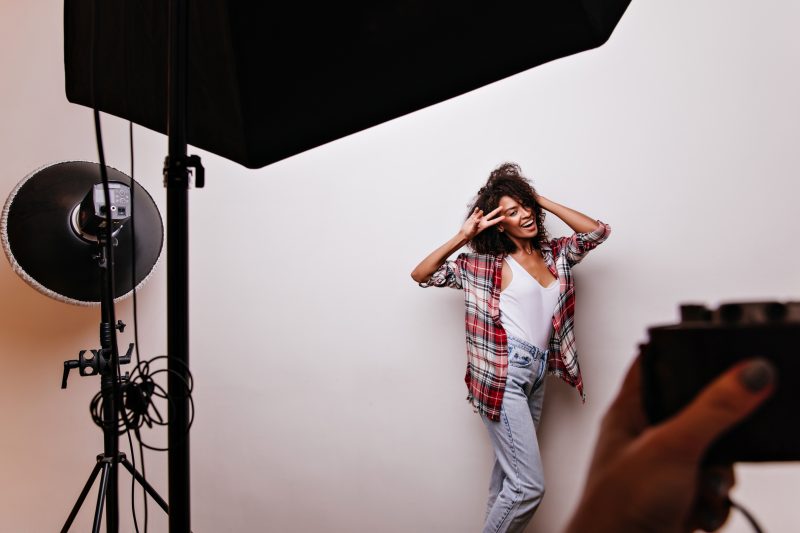
Okay, so picture this: I’m backstage at what’s basically fashion week adjacent—you know, one of those shoots where everyone’s wearing all black and looking very serious about hemlines—and I spot this incredibly chic stylist pulling basic black tights out of an M&S bag. Like, the green and white striped bag your mum uses for grocery shopping. I literally did a double-take because this woman styles actual celebrities, the kind who get photographed leaving coffee shops.
She caught me staring and just laughed. “Their 60 deniers are genuinely better than anything twice the price,” she whispered, like she was sharing state secrets. Which, in fashion terms, she basically was.
This was maybe eight years ago when I was still naive enough to think everything in fashion magazines came from those impossibly expensive boutiques with names I can’t pronounce. Now, after spending way too much time rifling through rails of designer clothes that cost more than my car, I know better. The fashion industry’s dirty little secret? Half the magic happens thanks to M&S basics that nobody wants to admit they’re using.
Last month I was having wine with my friend Theo—he’s one of those stylists who works with musicians so cool they make everyone else look like they’re trying too hard. We’d reached that perfect level of tipsy where honesty starts happening, and I asked him about this ridiculously perfect white t-shirt I’d seen in one of his recent shoots. It had that effortless simplicity that usually costs a fortune.
“M&S,” he admitted, looking slightly guilty. “Pure Cotton crew neck. Seven quid each. I buy them in bulk and cut the labels out before shoots.” He made me promise not to tell anyone, which I’m totally breaking right now—sorry Theo, but people need to know this stuff.
Here’s the thing about fashion: we’re all complicit in this weird lie that quality automatically means expensive. That if something doesn’t have a fancy label or cost three figures, it can’t possibly be good enough. But ask anyone who’s actually worked behind the scenes—the assistants, the junior stylists, anyone who’s had to make magic happen on a budget that wouldn’t cover a designer handbag—and they’ll tell you the truth. M&S is fashion’s secret weapon.
I remember my first big styling job after finally getting promoted from fetching coffee and steam-cleaning samples. I was doing a workwear story for a major magazine, nothing too crazy, just chic office looks on this up-and-coming actress. The budget was… well, let’s just say it was less than what most people spend on their weekly shop. I was properly panicking when I called my mentor Leila, who’d been styling for years.
“M&S Collection,” she said immediately. “Their tailoring photographs beautifully. Get those black wide-leg trousers—they look like proper designer from ten feet away. And their merino jumpers are actually good, not just good-for-the-price good.”
She was absolutely right. The shoot went brilliantly, the actress was comfortable (which is honestly a miracle—I’ve seen too many models suffering in sample sizes that would fit a twelve-year-old), and nobody could tell what was high street. When the magazine came out, I got multiple emails asking where those “gorgeous trousers” were from. They were £39.50 and probably still sitting on the rails at my local shopping center.
After years of doing this, I know which pieces stylists actually grab when we need something that just works. Not the stuff marketing teams push, but the real workhorses that appear in shoot after shoot. So here’s my insider intel on what we’re all secretly buying from M&S when nobody’s looking.
First up—and I promise this gets more glamorous—underwear. Look, visible pants lines are basically fashion’s kryptonite. Everything shows up under those sample-size silk dresses, especially under camera lights. I’ve tried every “invisible” underwear brand on the market, but M&S No VPL range is genuinely legendary among stylists. Their microfibre full briefs sound about as sexy as doing your tax return, but they’re essential under light-colored trousers. At a shoot last spring, all five models ended up wearing the same M&S nude seamless knickers. Glamorous? Hardly. But absolutely necessary.
And tights—god, the tights situation in fashion is honestly tragic. I’ve had models wearing £30 designer hosiery that laddered while being pulled on. I’ve seen assistants nearly in tears because some ridiculously expensive Italian tights couldn’t survive a basic squat. But M&S 60 denier Bodysculpt tights are basically indestructible. They smooth everything without creating that awful sausage-roll effect at the waist. I watched a model do an actual cartwheel in them once during a movement shoot. They didn’t budge. The 100 deniers are even better—they have this slight brushed texture that photographs like velvet.
But here’s the real secret weapon, and please don’t revoke my fashion credentials for admitting this: their thermals. I know, I know. Thermals are not exactly the sexiest word in fashion vocabulary. But they’re absolutely crucial for winter shoots. All those elegant coat stories where models look windswept on Scottish mountainsides? They’re probably wearing M&S Heatgen layers underneath those gorgeous wool coats.
Last December I styled a winter accessories story in the Highlands where it hit minus three degrees. My model was wrapped in Heatgen from neck to ankle under her designer pieces, and it saved the entire shoot. Nobody looking at those beautiful images of her in a flowing Valentino cape would ever guess she had high street thermals on underneath. The long-sleeve thermal tops are thin enough to layer invisibly but warm enough to prevent models turning blue during outdoor shoots.
For men’s styling, their plain t-shirts are genuinely industry standard. Those Pure Cotton crew necks Theo mentioned have the perfect weight—not tissue-thin like cheap versions, not stiff like some designer ones. They wash beautifully, which matters when your assistant is frantically removing makeup stains between looks. The white ones photograph like a dream—no weird transparency, no strange undertones that show up under lights.
Their socks deserve a mention too. I can see you rolling your eyes, but hear me out. Do you know how many shoots I’ve been on where we need ankle shots, only to discover the model’s personal socks are threadbare or covered in cartoon characters? M&S black cotton socks are the universal solution. They’re breathable enough that male models don’t get sweaty feet under hot lights (trust me, this matters more than you want to know) and they photograph as true black rather than sad, washed-out grey.
The knitwear though—that’s where M&S really shines. Their cashmere jumpers are fashion’s secret weapon for that “effortlessly elegant” look we’re always chasing. I’ve layered them under £5,000 coats, paired them with designer skirts, used them as the foundation for some of my most successful styling jobs. The crew necks sit perfectly—not too high, not too low—and they come in these saturated colors that photograph beautifully. The navy is proper navy, not that weird almost-black you get with cheaper versions.
Last year I was styling an “investment pieces” feature—you know, those “Ten Classic Items Worth Splurging On” stories. The irony wasn’t lost on me when I paired a model’s £2,500 Burberry trench with a £75 M&S cashmere jumper from the sale rail. In the final image, you genuinely couldn’t distinguish which was which. The fashion director even commented on the “beautiful quality” of the knit. I just smiled and made vague noises about Italian mills.
For summer shoots, their linen range is our not-so-secret weapon. The relaxed linen shirts, especially in white and navy, have this perfect amount of rumple—just enough to look effortlessly undone without crossing into crumpled mess territory. I use them constantly for that “just thrown on with jeans” look that actually takes hours to style properly. Plus they stock proper tall sizes, which is a godsend when you’re dressing models who are basically human giraffes.
Beyond specific items, M&S has this quality that’s hard to define but immediately recognizable to industry insiders: their basics just fit right. Not in some spectacular, avant-garde way, but in that essential “makes everything else look better” way. Their plain white shirts hang correctly from the shoulders. Their jersey tops skim rather than cling. Even their straight-leg jeans have a rise that actually works with tucked-in tops.
The fashion world might publicly worship luxury brands, but privately we’re all filling our styling kits with M&S. That assistant rushing down Oxford Street at 8 AM before a shoot? Probably heading to the Marble Arch store to panic-buy multipacks of neutral underwear. That stylist with the suspiciously heavy tote bag? It’s full of emergency tights in three deniers and every skin tone they make.
Obviously not everything they do is perfect. I’m not recommending those weird jeggings they’ve been pushing since 2010, or the floral tea dresses that seem designed exclusively for garden parties with the Queen. But the basics? The building blocks that make everything else look expensive? That’s where M&S quietly excels while nobody’s paying attention.
So next time you’re flicking through a glossy magazine, admiring some incredibly expensive outfit you’d need a second mortgage to afford, remember this: somewhere in that immaculate ensemble, there’s probably a bit of good old Marks & Spencer doing the heavy lifting. The stylist will never admit it, the magazine won’t credit it, but now you know the secret. Just don’t tell Theo I mentioned those t-shirts—he’ll never share his wine intel with me again.

Riley’s an environmental consultant in Seattle with strong opinions on greenwashing and fast fashion. She writes about sustainability without the guilt trip—realistic tips, honest brand talk, and a reminder that progress beats perfection.