Last month I was visiting my mom in Cape Cod – she’d demanded I come see her new “investment pieces” which turned out to be three nearly identical beige linen shirts that cost more than my rent – when I witnessed something that made me question everything I thought I knew about sustainable fashion trends.
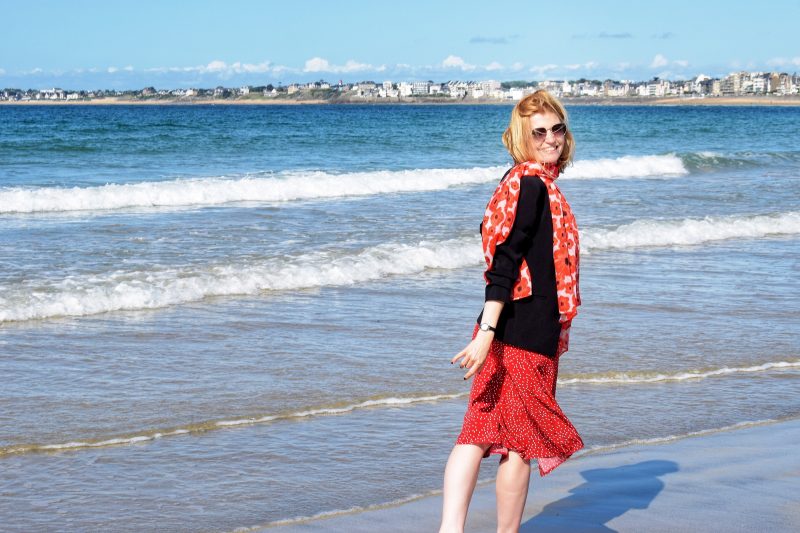
Picture this: elegant woman in her fifties, walking her golden retriever along the beach. Classic coastal grandmother vibes, right? Flowing linen tunic, oversized straw hat, the kind of effortless wealth that screams “I have a house in three different states.” But then I noticed her feet. Merrell hiking boots. Serious ones, with actual tread patterns and everything. And that wasn’t just any tote bag – it was a Patagonia dry bag with approximately seventeen pockets and carabiners hanging off it like she was about to rappel down a cliff instead of picking up organic peaches at the farmer’s market.
I mean, I’ve seen some weird fashion combinations in my time – working in environmental consulting means I spend a lot of time with people who think fleece vests are appropriate wedding attire – but this was something entirely new. It was like watching two completely different aesthetics have a collision and somehow create something that actually… worked?
The more I paid attention over the next few days, the more I realized this wasn’t just one quirky woman with interesting footwear choices. This was everywhere. The mom at Whole Foods in her linen jumpsuit and trail runners. The book club ladies I overheard at the coffee shop, discussing both their latest literary fiction reads and the technical specifications of their new hiking pants. Women who looked like they could host an elegant dinner party or lead a wilderness expedition with equal confidence.
I started calling it “coastal gorpmother” in my head – this weird mashup of the coastal grandmother aesthetic that dominated Pinterest for the past few years with the gorpcore outdoor gear trend. And honestly? As someone who spends way too much time thinking about sustainable fashion, it kind of makes perfect sense.
See, both of these aesthetics are built on the same foundation: quality over quantity. The coastal grandmother thing was never really about the beige linen and straw hats – it was about investing in pieces that last, that get better with age, that don’t fall apart after three washes. Sound familiar? That’s literally the entire philosophy behind technical outdoor gear. Buy once, use forever, repair when needed.
My sustainable fashion brain was immediately intrigued. Here were women combining two different approaches to conscious consumption without even realizing they were making an environmental statement. The $200 linen pants that’ll last twenty years meets the $150 hiking boots that are still going strong after a decade of use.
I started doing what I always do when a fashion trend catches my attention – way too much research. Turns out this combination has been quietly building for months. There’s this architect in Portland whose Instagram is full of her mixing Eileen Fisher with REI finds. A food writer in Vermont who pairs her flowing cardigans with technical hiking socks and posts about it like it’s the most natural thing in the world. Women who’ve figured out that comfort and functionality don’t have to mean sacrificing style.
The outdoor industry has definitely noticed. Patagonia’s been making their technical pieces in more neutral, coastal grandmother-approved colorways. Eileen Fisher started incorporating moisture-wicking and UV protection into their signature flowy pieces. And don’t even get me started on the J.Crew and Hoka collaboration that sold out instantly – I managed to get a pair and they’re honestly the most comfortable things I’ve ever put on my feet, even if they do have tiny embroidered anchors on them.
From a sustainability perspective, this trend is fascinating because it’s solving one of the biggest problems I see people struggle with: having completely different wardrobes for different activities. You know, the “I need special clothes for hiking and different special clothes for looking put-together and different clothes for working from home” trap that leads to buying way too much stuff.
These coastal gorpmothers have figured out how to dress for multiple scenarios with pieces that pull double or triple duty. Those technical hiking pants work for actual hiking, but they also look intentional paired with a silk blouse for lunch. The moisture-wicking tunic is perfect for a beach walk and sophisticated enough for art gallery openings. It’s what I’ve been trying to achieve with my own wardrobe for years – fewer pieces that work harder.
I’ll admit, I was skeptical at first. The environmental consultant in me is always suspicious of new fashion trends because so often they’re just excuses to buy more stuff. But the more I observed, the more I realized this wasn’t about accumulating items – it was about choosing better ones. These women weren’t shopping fast fashion; they were investing in pieces from brands with actual sustainability credentials, brands that offer repair services, brands that have been making the same basic designs for decades.
Take my mom, for example. She’s been slowly replacing her regular linen pieces with versions that have technical elements – wrinkle resistance, stain protection, moisture-wicking properties. “I can wear this gardening or to the gallery,” she told me, gesturing to her new linen-blend shirt that somehow manages to look elegant despite being engineered to handle sweat and soil. “It’s practical.”
That word – practical – keeps coming up when I talk to women who’ve embraced this aesthetic. They’re tired of clothes that only work in one specific context. They want pieces that can handle their actual lives, which might include hiking trails in the morning and lunch with friends in the afternoon.
The sustainability angle gets even more interesting when you consider where people are finding these pieces. Sure, some are buying new from ethical brands, but there’s also been a huge surge in thrifting outdoor gear. Vintage Patagonia and old-school hiking boots are having a major moment on secondhand platforms. These pieces were built to last, so even twenty-year-old technical gear often has years of life left in it.
I’ve started incorporating elements of this trend into my own wardrobe, though I’m being careful not to just use it as an excuse to shop. I found an amazing pair of barely-worn Merrell hiking boots at a consignment shop in Seattle for $40. They’re practical for my weekend hikes but also look intentional with my work clothes. I invested in one really good technical shirt from Outdoor Research that I can wear hiking, to client meetings, or just running errands around the city.
The key, I think, is being honest about your actual lifestyle instead of the lifestyle you think you should have. I’m not going to start dressing like I live on Martha’s Vineyard when I actually live in a Seattle apartment and take the bus everywhere. But I can borrow the practical elements – the quality materials, the versatile pieces, the focus on function – and adapt them to my real life.
What I love most about this trend is that it feels genuine rather than performative. These aren’t women trying to signal that they’re outdoorsy or wealthy – they’re women who’ve figured out how to dress for their complex, multi-faceted lives without compromising on quality or style. They might actually have houses on Martha’s Vineyard, or they might just want to look like they do while walking their dogs in suburban Connecticut. Either way, they’re making clothing choices that prioritize longevity and versatility over trends and throwaway fashion.
Is this the future of sustainable fashion? Maybe not exactly, but it’s pointing in an interesting direction. Away from having different outfits for every possible scenario, toward pieces that adapt to multiple contexts. Away from choosing between style and function, toward pieces that deliver both. Away from constant consumption of trendy items, toward thoughtful investment in quality pieces that last.
I’ve been thinking a lot about what this trend says about how we want to dress now. We want to look put-together but not precious. Comfortable but not sloppy. Ready for anything – whether that’s an impromptu hike, a client meeting, or just dealing with whatever chaos daily life throws at us. We want clothes that are as adaptable and resilient as we need to be.
Will coastal gorpmother last as a trend? Probably not in its current Instagram-friendly form. But the underlying principles – quality, versatility, function meeting style – those feel more permanent. They feel like the kind of approach to dressing that makes sense for people who care about both looking good and reducing their environmental impact.
And honestly? After years of trying to balance my fashion interests with my environmental values, it’s refreshing to see a trend that doesn’t require choosing between style and sustainability. Sometimes the most radical thing you can do is just buy better stuff and wear it longer. Even if that stuff happens to include linen pants with hidden zippered pockets and hiking boots that look good with everything.

Riley’s an environmental consultant in Seattle with strong opinions on greenwashing and fast fashion. She writes about sustainability without the guilt trip—realistic tips, honest brand talk, and a reminder that progress beats perfection.