Lightweight blazers exist in this interesting space where they’re formal enough to elevate casual pieces but casual enough to not require actual occasions. They’re one of those pieces that genuinely multiplies what you can do with the rest of your wardrobe. A good lightweight blazer means a simple tee and jeans becomes work-appropriate. It means a casual dress becomes slightly dressier. That versatility is genuinely valuable.
What I’ve learned about lightweight blazers is that they need to maintain structure without feeling stiff or costume-like. I find that blazers made from cotton blends or lightweight wool feel more wearable than those made from densely woven synthetics. Natural fabrics allow breathing and movement, while synthetics can feel restrictive and plastic-like. The lightweight blazers here use fabrics that actually function as clothing rather than costumes.
The fit through the shoulders and chest is absolutely crucial. I find that blazers work best when they sit properly without pulling or bunching. Oversized shoulders create proportional problems, while too-tight shoulders limit movement. The blazers here have been tailored with genuine attention to actual shoulder fit, which affects comfort and how the jacket works over different layering combinations.
Length determines how the blazer works with different bottom lengths. I find that blazers hitting around hip-length work most versatilely because they work with trousers, jeans, skirts, and dresses without creating awkward proportioning. Very short blazers can look costume-like, while very long blazers overwhelm many body types. The lightweight blazers here hit that practical middle ground.

The button placement affects both the aesthetic and the actual fit. I find that blazers with buttons positioned to create balanced proportions actually frame the body better. Multiple buttons provide flexibility for how you wear the piece—unbuttoned for relaxed occasions, buttoned for slightly more formal situations. The lightweight blazers here have button placement that works practically rather than just randomly.
Sleeve length needs to be proportional to your arm length rather than expecting everyone to fit a single standard. I find that sleeves hitting just below the wrist bone create clean proportions. Sleeves that are too long bunch awkwardly, while sleeves that are too short read as intentional crops. The lightweight blazers here have been sized with actual bodies in mind.
What I appreciate most about lightweight blazers is how they simplify dressing for situations that need slightly more formality. You put on a simple tee and jeans, add a lightweight blazer, and you’re ready for work or slightly dressier casual. There’s no calculation involved—the blazer does the work for you through sheer structure and proportion.
Pocket functionality matters. I find that blazers with functional pockets are far more valuable than those without because you’re actually more likely to wear the piece if it has practical utility. The lightweight blazers here have been designed with actual pockets rather than just the appearance of pockets.
Collar style affects how the blazer frames your face and how formally it reads. I find that traditional collar styles work most universally because they don’t require styling choices. The lightweight blazers here use classic collar shapes rather than trying to be fashion-forward, meaning they remain wearable across seasons and situations.
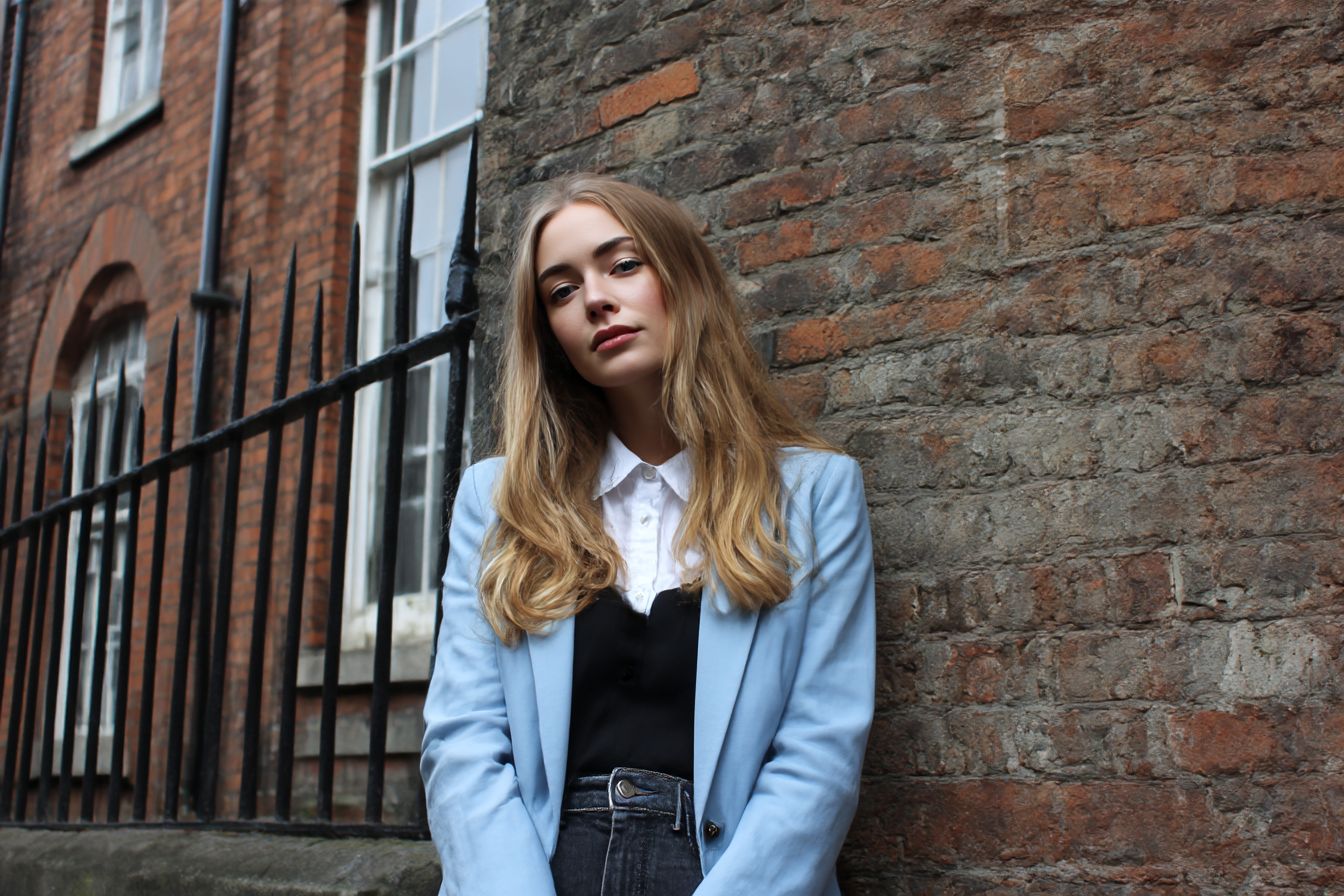
Fabric composition affects both comfort and durability. I find that blazers made from cotton blends or wool hold their shape better through repeated wearing and washing than those made from pure synthetics. The lightweight blazers here use fabrics that actually improve with wearing rather than degrading or losing shape.
Lining quality matters for both comfort and durability. I find that properly lined blazers feel more intentional and work better as actual layering pieces. The lightweight blazers here have lining that supports the structure of the piece rather than just hanging loosely.
Colour choice affects versatility significantly. I find myself drawn to neutral lightweight blazers—navy, black, grey, cream—because they work with almost everything else in a wardrobe. Coloured blazers can be fun but they’re immediately more limited because they become styling choices. The lightweight blazers here prioritize that practical versatility through smart colour selection.