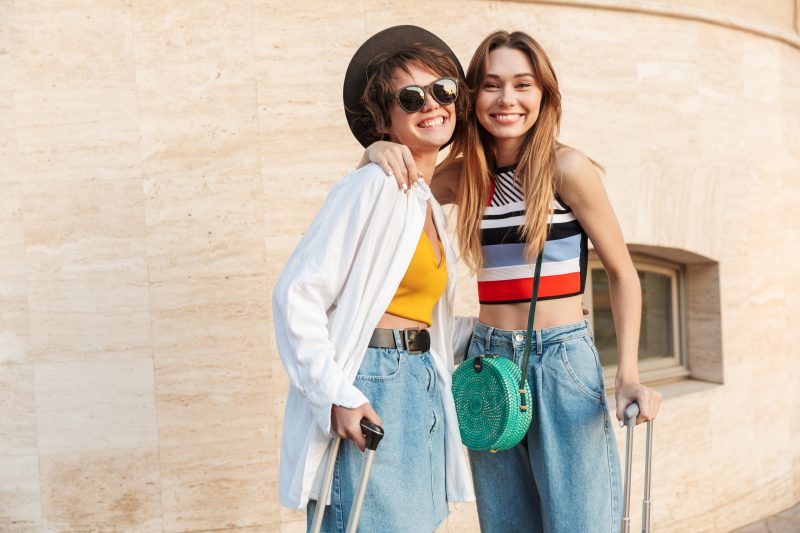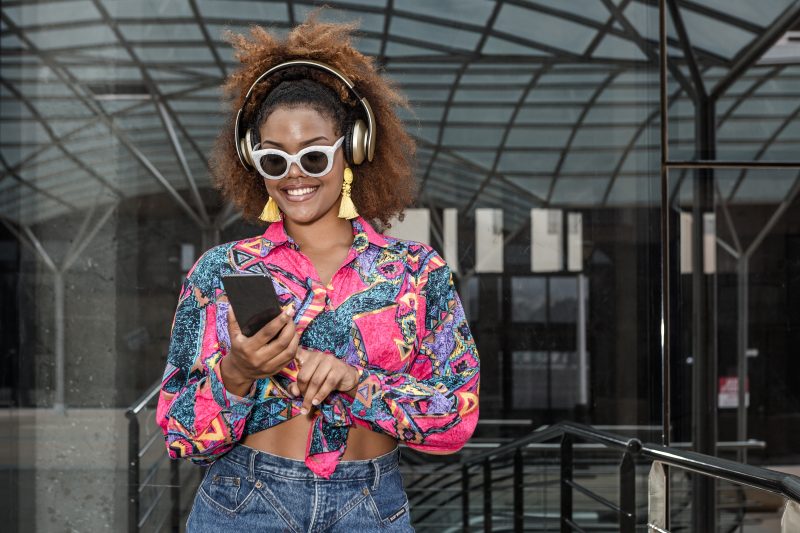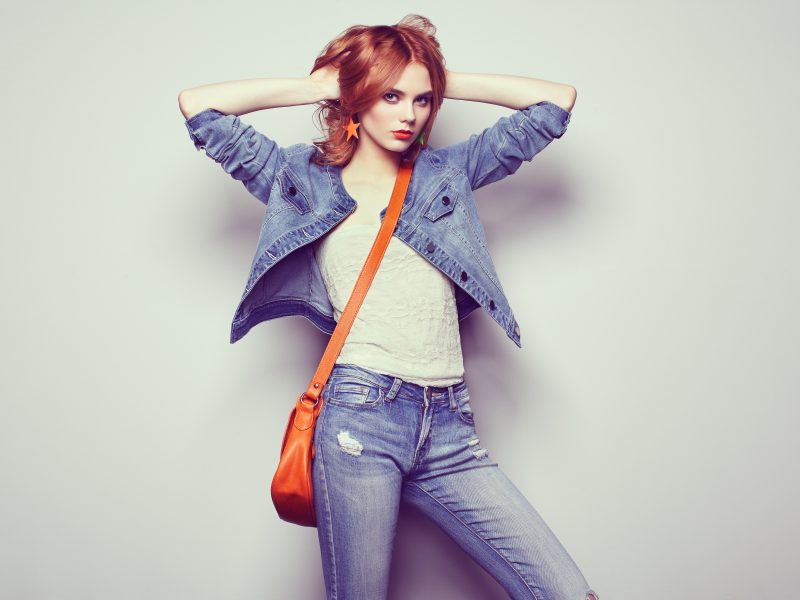
“Jeans and a nice top.” I’ve probably texted those exact words about three hundred times in my life, usually in response to someone asking what I’m wearing to whatever we’re doing that night. It’s like the little black dress of casual outfits – reliable, inoffensive, gets the job done. The default setting for first dates, work happy hours, dinner with your boyfriend’s parents, basically every social situation where you want to look put-together but not like you spent two hours getting ready.
You know what I mean, right? It’s become this universal code that requires zero explanation. When you say “jeans and a nice top,” everyone immediately understands you’re hitting that sweet spot between trying too hard and not trying at all. It’s the Goldilocks zone of getting dressed – not too fancy, not too casual, just right for most situations you’ll encounter as an adult person with a job and a social life.
But here’s the thing about fashion formulas that work too well: they can get stale really fast. Like, remember when “jeans and a nice top” meant those awful low-rise boot cuts with some kind of shimmery going-out blouse that had way too much happening around the neckline? I’m getting secondhand embarrassment just thinking about photos from 2008. The good news is this foolproof combination isn’t going anywhere, but it’s getting a serious upgrade that’s making me excited about it again.
I first started noticing something different happening at this magazine party I went to last fall in Tribeca. You know how these events usually are – everyone wearing basically the same outfit with slight variations, like we all got the same memo about what constitutes appropriate fashion industry casual wear. But this time felt different. People were still doing jeans and tops, but the proportions were all over the place, the styling felt more intentional, and honestly, I found myself actually looking at outfits instead of just scanning for familiar faces.
This one woman – I think she worked at Vogue but I didn’t catch her name – was wearing these super rigid vintage Levi’s that looked like they could stand up by themselves, paired with this white blouse that was basically Victorian costume-level romantic. Like, high ruffled collar, pintucks everywhere, sleeves that could have housed a small family. On paper, it should have looked completely insane. Masculine workwear denim with Little House on the Prairie vibes? But instead it looked… cool? Fresh? Like she’d figured out something the rest of us were still missing.
When I complimented her on it later by the bar, she just laughed and said “It’s still just jeans and a nice top, I’m not doing anything revolutionary here.” But she kind of was, though. She’d taken this basic formula we all rely on and twisted it just enough to make it interesting again. The “nice top” wasn’t just pretty and flattering anymore – it was making a statement. The jeans weren’t just the most comfortable option in her closet – they were creating this whole contrast thing with the blouse that made you actually think about the outfit instead of just registering “appropriately dressed person.”
That party got me paying attention to how this combo is evolving, and honestly, it’s everywhere once you start looking. Last month I met my friend Emma for drinks at this wine bar in the West Village that doesn’t have a sign outside because apparently finding the entrance is part of the experience. I wore what I thought was a pretty current version of the formula – vintage Wranglers, silk camisole, oversized blazer. Standard fashion person off-duty uniform, nothing groundbreaking.
Emma showed up wearing these wide-leg jeans that were almost like culottes, cropped right at her ankle, with a white button-down worn completely backward. Like, buttons down her spine, creating this boat neckline situation in front. She’d added a thin leather belt and loafers, and the whole thing looked so effortless but also totally unique. Exactly what I’ve been missing in my own approach to this reliable standby.
“My mom used to wear shirts like this in the ’80s,” she told me when I demanded an explanation. “I was looking through old photo albums last weekend and saw her wearing it to some club in New York. Figured if it worked for her, it might work for me too.”
That’s what I love about how this classic combination is changing right now – it’s pulling inspiration from everywhere instead of following whatever trend Instagram is pushing this week. All those unspoken rules we’ve been following (skinny jeans are most flattering, tuck in the front to define your waist, keep colors complementary) are getting thrown out in favor of more personal, creative approaches that actually reflect individual style instead of mass-market appeal.
After spotting this shift everywhere from street style photos to my own friend group, I started paying attention to the different strategies people are using to make jeans and a nice top feel fresh again. Turns out there are some pretty specific approaches that anyone can try without buying a whole new wardrobe or developing a completely different aesthetic.
The proportion play is probably the most dramatic change I’m seeing. For years, the conventional wisdom was fitted jeans with either a fitted or loose top – you balanced the silhouettes so nothing looked too overwhelming. Now people are embracing volume on both pieces but adding strategic structure to keep from looking shapeless. Wide-leg jeans with billowy poet shirts, but the shirt is tucked asymmetrically or has defined shoulders or gets belted in an unexpected place.
I tried this approach at a gallery opening last week with my widest-leg jeans and this oversized white shirt with huge cuffs that usually makes me look like I’m drowning in fabric. The key was adding a wide vintage belt positioned slightly off-center, which created structure without sacrificing the dramatic proportions. Three different people asked where I got my outfit, which has literally never happened when I’m wearing jeans and a button-down. Usually that combination is so unremarkable it’s practically invisible.
Then there’s the high-low tension thing, which is about deliberately mismatching formality levels between your top and jeans but doing it with enough confidence that it reads as intentional rather than confused. Like, seriously distressed jeans with a sequined evening top. Perfect dark-wash tailored denim with a vintage concert tee. The contrast creates this visual tension that suggests you dress for yourself rather than trying to follow some rulebook about what goes with what.
Our accessories editor at work did this recently and it completely changed how I think about the formula. She showed up to an editorial meeting wearing these ripped, paint-splattered jeans that looked like they’d been through actual warfare, paired with this pristine ivory satin cowl-neck top that could have easily worked for a fancy dinner or wedding guest situation. The combination was jarring but in the best possible way – neither piece was trying to accommodate the other, and that tension made the whole outfit way more interesting than it had any right to be.
Unexpected layering is another direction that’s working really well. This goes way beyond throwing a blazer over everything into more experimental territory – sheer turtlenecks under structured bustiers, cardigans worn under instead of over camisoles, men’s dress shirts layered under corset-style tops. These combinations create texture and visual depth while keeping the easy wearability that makes this formula so appealing in the first place.
I’ve been experimenting with wearing a black mesh long-sleeved tee under tops that would normally show more skin – slip dresses worn as shirts, square-neck bodysuits, even a strapless bustier I never wear because I feel too exposed. The mesh layer adds this Helmut Lang ’90s minimalist vibe to pieces that might otherwise read as basic going-out wear. Plus it makes things I already own feel completely different without spending any money, which is always a win.
The statement collar trend has been huge for refreshing the basic jeans-and-button-down combination. Whether it’s exaggerated Peter Pan collars, extreme pointed ’70s styles that extend past your shoulders, or detachable embellished pieces you layer over simple crewnecks, a dramatic collar instantly modernizes this pairing without requiring major wardrobe changes.
At that same wine bar meetup, another friend arrived wearing straight-leg Levi’s and what looked like a simple black sweater, but she’d added this vintage lace collar that completely transformed the look from standard casual into something that could have come off a Simone Rocha runway. Total investment: seven dollars at a thrift store plus a safety pin to hold it in place. Sometimes the smallest changes make the biggest difference.
Color play offers another fresh approach that I’m still getting comfortable with. Traditional styling wisdom suggests keeping either your top or bottom neutral, but the updated formula embraces unexpected color combinations, especially ones from opposite sides of the color wheel. Rust-colored jeans with cobalt blue silk tanks, lavender denim with moss green blouses, combinations that feel deliberately composed rather than accidentally thrown together.
I was skeptical about this strategy until I tried pairing these faded red jeans I never wear with an electric blue button-down that’s been hanging in my closet for years because it never seemed to go with anything. The combination got more compliments in one day than either piece had ever received on its own. Sometimes you just need to ignore conventional color wisdom and trust what looks interesting to your eye.
Textile contrast is another method that’s been working well – dramatically different fabrics between your top and jeans create visual interest even in simple silhouettes or neutral colors. Raw, rigid denim with liquid silk, distressed vintage jeans with tweed or bouclé, utilitarian pieces with delicate fabrics. This approach works especially well during transitional seasons when layering different weights makes practical sense anyway.
Last week I paired my most structured, dark-wash jeans with this surprisingly affordable organza puff-sleeve blouse that created almost crinoline-level volume around my shoulders and arms. The combination of workwear denim with this ethereal, almost bridal-looking fabric felt like a conversation between utility and fantasy – exactly the kind of tension that makes the updated formula so compelling.
My favorite strategy, though, is the inappropriate tucking technique. Instead of the standard front-tuck or full tuck, try asymmetrical tucking that creates deliberately uneven hemlines, or extreme side-tucking that creates dramatic draping across your body. These unconventional tucking patterns can transform even the most basic top into something that looks considered and artistic.
This one took me several attempts to master without looking like I’d just come back from the bathroom with my shirt accidentally caught in my waistband. The trick is creating enough asymmetry that it obviously reads as deliberate rather than accidental. I’ve settled on a side-tuck that pulls the hem diagonally across my body, creating this draped effect that doesn’t require any actual sewing skills or special garments.
What I love most about this whole jeans-and-nice-top renaissance is that it doesn’t require buying into trends that’ll look dated in six months or investing in pieces with extremely short fashion lifespans. It’s about reconfiguring items most of us already own but with more imagination and fewer self-imposed rules about what’s “appropriate” or “flattering.”
This formula has endured because it genuinely works for almost every body type, budget, and lifestyle. The current evolution isn’t about abandoning something effective but breathing new life into it through styling creativity rather than constant shopping. At a time when many of us are trying to be more thoughtful about consumption – whether for financial or environmental reasons – that’s a fashion proposition I can absolutely get behind.
So next time you’re standing in front of your closet thinking “ugh, just jeans and a nice top again,” remember that this combination has way more possibilities than its safe, predictable reputation suggests. Try the backward button-down, the unexpected color combo, the dramatic collar, the “wrong” proportions. The beauty of fashion classics is they provide a reliable foundation for creative expression – a way to experiment without risking complete style disaster.
And honestly? Even if you do absolutely nothing different, standard jeans and a nice top are still going to look better than most of what everyone else is wearing anyway. Some classics earn their status for good reason, and this one isn’t going anywhere anytime soon. It’s just getting more interesting along the way.

Claire started Claire Wears to bridge the gap between fashion media and real life. Based in Chicago, she writes with honesty, humor, and a firm “no” to $300 “affordable” shoes. Expect practical advice, strong opinions, and the occasional rant about ridiculous trends.