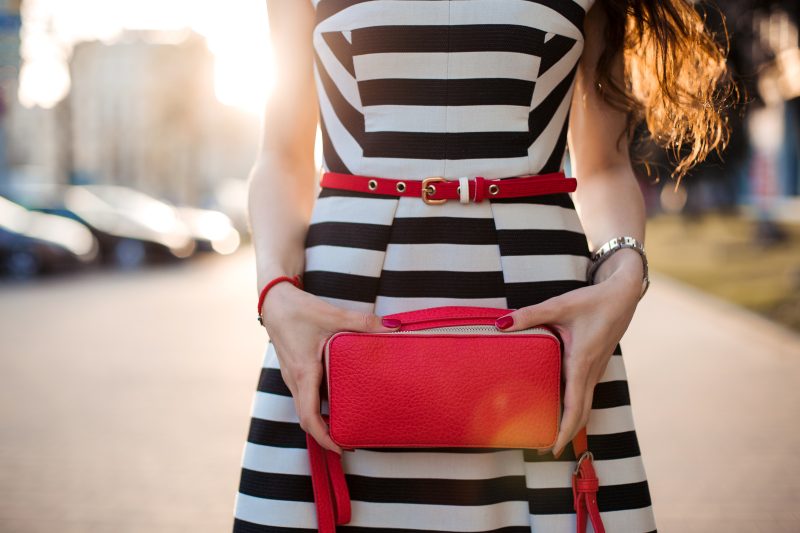
The entire ridiculous experiment started because I packed wrong for Paris Fashion Week last season. Not a little wrong—catastrophically, what-was-I-thinking wrong. The kind of wrong that finds you standing in a hotel room at midnight, staring into a suitcase filled with completely impractical options while you’re expected at a 9 AM presentation for a major French luxury house in approximately eight hours.
Let me set the scene: I’d arrived at Charles de Gaulle after an overnight flight during which I’d consumed two mini bottles of mediocre red wine and watched half a terrible rom-com before my screen froze.
My carefully planned carry-on strategy had been forcibly abandoned at the gate when the flight attendant took one look at my overstuffed bag and said, “That must be checked, mademoiselle” with the gentle but firm authority that only French airline employees seem to master.
By some miracle, my luggage had actually arrived, but as I unzipped it in my tiny hotel room on Rue Saint-Honoré, I realized I’d made a critical error. Somehow, in my pre-travel packing frenzy, I’d packed as though I were heading to a beach vacation in Tulum, not a professional work trip to Paris in early March. The suitcase contained primarily:
1. Three sundresses in impractical prints
2. One pair of linen pants that wrinkled if you so much as looked at them
3. A silk camisole that would provide approximately zero protection against Parisian spring weather
4. Sandals. Multiple pairs of open-toed sandals.
5. Inexplicably, a sun hat
What was missing were the tailored pants, versatile blazers, layering pieces, and comfortable-yet-professional footwear that constituted my usual fashion week uniform. I stood there in my travel leggings, panic rising, as I realized I had absolutely nothing appropriate to wear for five straight days of shows, appointments, and industry events.
“This is fine,” I lied to myself out loud. “I’ll just go shopping tomorrow.”

Then I remembered that my first appointment was at 9 AM, which meant “tomorrow” wasn’t actually an option unless I planned to show up in pajamas. And while fashion people love to pretend they’re unfazed by sartorial experimentation, I was pretty sure that look wouldn’t convey the professional credibility I needed to maintain.
I dumped the contents of my suitcase onto the bed and conducted a desperate inventory. Buried at the bottom, somehow smushed between the sandals and that ridiculous sun hat, was a simple black midi dress I’d thrown in as an afterthought. Nothing fancy—just a stretch jersey number with a scoop neck, three-quarter sleeves, and a flared skirt that hit mid-calf. The fabric was that magical blend that doesn’t wrinkle, show sweat, or cling awkwardly to body parts you’d rather not emphasize. It was the sartorial equivalent of an insurance policy—the kind of dress you pack for unspecified fashion emergencies.
“Well,” I said to no one, “I guess you’re my only hope.”
That single black dress became my salvation and the genesis of an accidental experiment. Could I possibly wear the same dress for five straight days of fashion events without anyone noticing or, worse, judging me for my limited wardrobe? In an industry that essentially runs on novelty and constant change, would wearing the same base garment be fashion suicide?
Spoiler alert: Not only did I survive, but the experience was so interesting that I decided to extend the experiment to a full seven days when I returned to New York—this time with purpose and planning rather than desperation. The results were so illuminating that I now keep a document on my phone titled “One Dress, Infinite Options” for travel emergencies and low-effort mornings.
But I’m getting ahead of myself. Back to Paris and day one of the accidental experiment.
Day One: The Base Model
That first morning, I wore the dress essentially as designed—simple, unadorned, with black tights and the only closed-toe shoes I’d packed (thankfully, my travel sneakers were relatively presentable). I added a borrowed hotel umbrella (it was drizzling), massive sunglasses (to hide my jet lag), and the quiet confidence of someone desperately pretending they’d packed exactly what they intended.
I attended three shows and a showroom appointment that day. No one commented on my outfit—neither complimentary nor critically—which in the fashion world signifies acceptable if not remarkable attire. I was, for all intents and purposes, a black blob in a sea of considerably more creative ensembles. The dress was forgettable in exactly the way I needed it to be.
By afternoon, I’d formulated a plan. The concept of a capsule wardrobe wasn’t new, but I’d never had the necessity of applying it quite so literally. If I was going to survive the week with dignity intact, I needed reinforcements. During a 45-minute break between appointments, I power-walked to the nearest Monoprix (French Target, essentially) and spent exactly 87 euros on strategic accessories:
– A wide black belt
– A silky patterned scarf in blues and greens
– A costume jewelry necklace that looked considerably more expensive than it was
– Black opaque tights (backup pair)
– A pack of safety pins
– Double-sided fashion tape
– A cheap cardigan in a vibrant red
Armed with these reinforcements and a renewed sense of purpose, I was ready for day two.
Day Two: The Belted Blazer Look
I’d been smart enough to pack one decent blazer—a slightly oversized navy number I’d originally intended to wear with those useless linen pants. I put the dress on as a base, added the new wide belt to define the waist, and layered the blazer on top. The effect was surprisingly chic—the dress now read as a skirt, with the top portion visually connected to the blazer as though they were a matched set.
At the Chloé presentation, a British editor I’d met at previous fashion weeks actually complimented the look: “Love the proportions with that skirt.” THE SKIRT. My dress was successfully masquerading as separates. I nodded graciously and changed the subject before she could ask for details.
Later, at a cocktail event for a jewelry brand, I removed the blazer to reveal the belted dress beneath—a completely different silhouette that prompted the PR director to say, “Did you have time to change? Impressive.” I smiled mysteriously and accepted another glass of champagne. The experiment was working.
Day Three: The Statement Necklace Transformation
By the third day, I was fully committed to the challenge. I wore the dress with the statement necklace from Monoprix, positioned precisely to cover the scoop neckline so it appeared to be a different cut altogether. I pulled my hair back into a sleek low bun (hiding the fact that dry shampoo was doing some heavy lifting at this point) and added the vibrant red cardigan.
The color adjustment completely changed how people perceived the outfit. A photographer actually stopped me outside the Palais de Tokyo to take a street style photo—a first for me and highly amusing given the circumstances. “The red is perfect with your coloring,” he said as I posed awkwardly, trying not to laugh at the absurdity. If only he knew this “carefully curated look” was born of sheer desperation and a Monoprix shopping spree.
Day Four: The Scarf Trick
By day four, I needed more dramatic intervention. Enter the silky scarf, which became a multipurpose savior. For morning appointments, I wore it Audrey Hepburn-style around my neck, tucked into the dress neckline so it appeared to be a collar detail on the garment itself.
For afternoon shows, I reconfigured it as a headscarf, adding oversized sunglasses for a vaguely Jackie O aesthetic that felt appropriate for the Dior retrospective I was covering. The different styling completely changed the dress’s vibe—suddenly it was giving retro sophistication rather than basic black simplicity.
That evening, in a moment of inspiration (or possibly delirium—fashion week sleep deprivation is real), I used the fashion tape to temporarily hem the dress to just above the knee, transforming the midi into a completely different silhouette. The scarf became a belt, tied in a loose knot at the hip.
Three different looks, same damn dress. I was starting to enjoy the challenge.
Day Five: The Layering Experiment
The final day brought the most creative solution yet. I wore the dress backward—yes, backward—so the slightly lower back scoop created a V-neck in front. I used safety pins to gather excess fabric at the sides, creating a more tailored look through the torso. The wide belt defined the waist, and I layered the blazer on top once again, this time with the sleeves pushed up for a more casual effect.
For my final evening event, I pulled a truly desperate move: I folded the skirt portion of the dress up at the waist, secured it with fashion tape, and used the scarf as an overskirt, creating the illusion of a completely different color-blocked dress. It was fashion MacGyverism at its finest, and I lived in terror that the tape would give way at an inopportune moment, but somehow it held through dinner and drinks.
When I finally boarded my flight home, exhausted but triumphant, I felt oddly accomplished. I’d survived five days of high-pressure fashion events with a single dress and a handful of accessories. No one had called the fashion police. My professional reputation remained intact. And I’d learned something valuable about creativity within constraints.
Which is why, two weeks later, I decided to extend the experiment—this time deliberately. Could the same approach work in my regular life, with proper planning and a full accessory arsenal at my disposal? I was determined to find out.
I selected another simple black dress from my closet—similar in shape to my Paris savior but with short sleeves and a slightly fuller skirt. The rules were simple: seven consecutive workdays wearing the same dress, styled differently each day, without alerting anyone to the experiment. I would document each look and note reactions from colleagues and friends.
Day One (New York Edition): The Professional Baseline
For the first day, I wore the dress with minimal styling—just simple black pumps and delicate gold jewelry. Classic, unmemorable, professional. I needed this baseline to establish whether anyone would notice the dress itself before I began transforming it. The answer was a resounding no. In a full day of meetings, not a single person commented on or appeared to register my outfit. The unremarkable nature of a simple black dress was working in my favor.
Day Two: The Layered Look
I wore a crisp white button-down underneath the dress, transforming it into what appeared to be a jumper or pinafore style. Added loafers, simple hair, minimal jewelry. The look read as preppy, completely different from the previous day’s classical simplicity.
Emma, my brutally honest best friend who works in our art department, passed me in the hallway and said, “Very Wednesday Addams Goes to Yale. I approve.” No mention of having seen the dress before. First hurdle cleared.
Day Three: The Statement Belt and Boots
I added a vintage Hermès scarf (borrowed from my mother years ago and never returned—sorry, Mom) as a wide belt, tied in a loose knot at the hip. Paired with knee-high boots and chunky gold earrings, the dress now read as 1970s-inspired and substantially more fashion-forward.
During a coffee run, Katherine passed me in the lobby and nodded approvingly. “The styling with that belt is perfect.” She’d seen me every day that week in editorial meetings and hadn’t connected that it was the same dress. I was starting to find this genuinely fascinating.
Day Four: The Turtleneck Trick
I layered a thin black turtleneck under the dress, added sheer black tights, and ankle boots. With slicked-back hair and red lipstick, the entire vibe was French minimalist—and dramatically different from the previous day’s bohemian aesthetic.
At lunch with the beauty team, our skin editor actually said, “I need to start wearing more dresses like that—so versatile for the office.” THE IRONY. I nearly choked on my salad but managed to nod sagely as though I weren’t currently conducting a slightly unhinged fashion experiment at their unwitting expense.
Day Five: The Oversized Sweater Hack
I pulled a chunky cream-colored sweater over the dress so only the skirt portion showed, effectively transforming it into a simple black skirt. Added knee-high boots again but in a different color, and a long pendant necklace.
During an all-staff meeting, I sat next to people who’d seen me every single day that week. No side-eyes, no questions about my apparent attachment to black midi skirts/dresses. Just normal workplace interaction. The invisibility of the experiment was becoming almost comical.
Day Six: The Blazer and Statement Necklace
This was my power look—structured blazer (different from the Paris version), major statement necklace positioned to completely change the neckline appearance, hair pulled back severely, and the highest heels I could reasonably walk in.
I had a major client presentation this day and received multiple compliments on looking “especially polished.” The fashion assistant even asked where my blazer was from, completely overlooking the dress that had been present every single day that week. At this point, I was equal parts amused and disturbed by how little people notice about the basics of what others wear.
Day Seven: The Dress-Over-Pants Finale
For my final trick, I wore the dress over slim black trousers, effectively transforming it into a tunic. Added pointed flats, minimal jewelry, and a sleek ponytail. The silhouette was completely different from any previous version.
At a team dinner that evening, I finally revealed the experiment to my colleagues, pulling up photos of each day’s outfit on my phone. The reactions ranged from disbelief to admiration to mild existential crisis.
“Wait, so we ALL failed to notice you wearing the same thing every day?” our market editor asked, visibly disturbed by the implications.
“No,” I clarified. “You failed to notice that the foundation garment was the same. You definitely noticed and even complimented the different styling choices.”
This distinction proved oddly reassuring to the table of fashion professionals whose literal job involves paying attention to clothing. It also sparked a fascinating conversation about perception, wardrobe strategy, and the psychological pressure to constantly present novelty—especially in our industry.
The experiment yielded several practical insights that I’ve since applied to my regular wardrobe planning and packing strategies:
1. Focus on transformative accessories rather than accumulating similar garments. A truly versatile base piece can be completely reinvented with the right styling elements.
2. Layering creates the most dramatic transformations. Pieces worn over, under, or partially obscuring a garment can effectively create a new silhouette that reads as an entirely different outfit.
3. Hair and makeup significantly impact how clothing is perceived. The same dress paired with slicked-back hair and red lipstick versus loose waves and minimal makeup creates two completely different impressions.

4. People notice overall appearance rather than specific garments. The general impression of “polished” or “creative” or “professional” registers more than the individual pieces creating that impression.
5. Slight modifications to a garment itself can create dramatic differences. Strategic uses of belts, safety pins (in private areas only!), and temporary adjustments can transform a single piece into something that appears custom-fitted for different effects.
I’ve since applied these lessons to travel packing with remarkable success. A recent four-day business trip to Chicago required only a carry-on containing two base dresses, one pair of pants, and strategic accessories—a dramatic improvement over my usual overpacked suitcase.
The greatest benefit, however, has been psychological. The artificial pressure to present constant novelty is pervasive in fashion, both professionally and personally.
Recognizing that thoughtful styling can create the effect of a varied wardrobe without the actual acquisition of new pieces has been oddly liberating.
I still love shopping, discovering new designers, and experiencing the creative joy of fashion. But I no longer feel that low-grade anxiety about being seen in the same recognizable pieces too frequently. The secret that my Paris fashion emergency taught me? Most people simply don’t notice or care nearly as much as we think they do. And those who do notice tend to appreciate creativity and personal style more than constant newness.
So the next time you’re staring into your closet thinking “I have nothing to wear,” try revisiting a favorite piece with fresh eyes and different styling. Your forgotten fashion emergency dress might just be waiting for its second act—or its seventh.