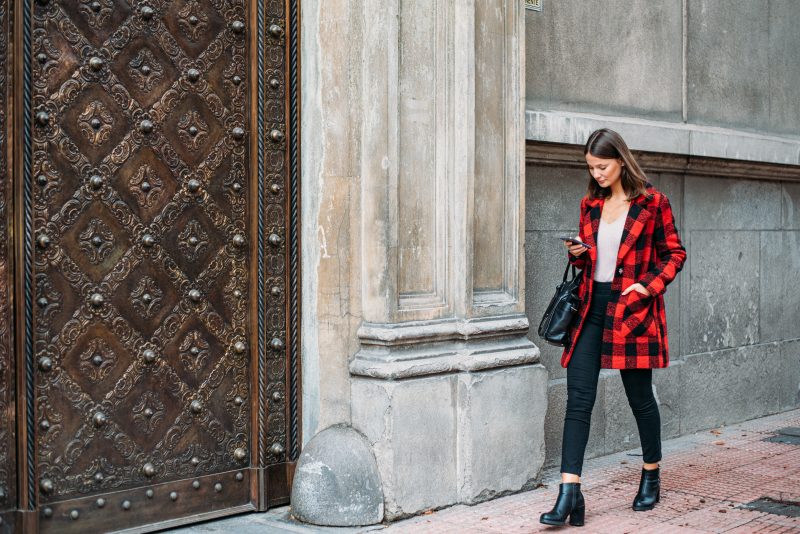
The incident that changed my entire perspective on luxury fashion happened in the Style Compass USA elevator, of all places. Picture this: I’m standing there in my usual work uniform—oversized blazer, vintage Levi’s, and boots I’d splurged on during a moment of financial optimism that my credit card statement later made me regret. It was a Monday morning, the kind where you’ve had too little coffee and too many weekend regrets. The fashion closet was expecting deliveries from three different designers for an upcoming editorial, my inbox had already exploded with follow-ups I’d been avoiding, and I was mentally composing excuses about why I still hadn’t filed that piece on emerging knitwear trends.
That’s when it happened. Katherine Wang—yes, *the* Katherine Wang, our editor-in-chief who once made Anna Wintour wait two minutes for a meeting and lived to tell about it—stepped into the elevator, gave me a quick once-over, and said, “That Bottega bag is a good investment piece. I’ve been considering the same one myself.”
I nearly choked on my oat milk latte. The bag in question—a structured brown leather tote with minimal hardware—was indeed giving Bottega Veneta energy. The warm cognac color, the buttery-looking leather, the distinct lack of flashy logos that signals true luxury to those in the know. Except it absolutely, categorically, was *not* Bottega Veneta. It wasn’t even close to being in the same stratosphere as Bottega Veneta.
“Thanks,” I mumbled, while my brain screamed: *IT’S FROM TARGET. IT COST THIRTY-SEVEN DOLLARS AND I HAD A 5% RED CARD DISCOUNT.*
Katherine gave me a knowing nod, the kind that acknowledges membership in a club I definitely didn’t belong to, before exiting on the executive floor. I stood frozen, clutching my imposter bag, experiencing what I can only describe as fashion vertigo—that disorienting moment when your understanding of value, quality, and perception completely shifts.
Let me rewind a bit. Three weeks earlier, I’d been wandering through Target in a Sunday afternoon haze, ostensibly looking for laundry detergent but inevitably browsing sections I didn’t need to be in. The laundry situation at home had reached critical status—I was down to wearing bathing suit bottoms as underwear and seriously considering turning my duvet cover inside out rather than washing it. Yet somehow I found myself in the handbag section, which is classic me behavior and why my therapist gives me that specific look when we talk about “impulse control strategies.”

That’s when I spotted it—the bag that would later fool Katherine Wang. It was displayed on an endcap, bathed in that weirdly flattering Target lighting that makes everything look more expensive than it is (a phenomenon I wish they’d explain to the lighting people at my dermatologist’s office). The bag was part of their collaboration with some designer I vaguely recognized from social media, which apparently lent it additional style credibility while still keeping the price firmly in the “sure, I can swing that” territory.
I picked it up, immediately noting several promising features: the weight (substantial), the material (actual leather, not “vegan leather,” which we all know is just vinyl with better PR), and the stitching (even and tight). The interior had that plasticky smell that all mass-market bags have, but the outside? It smelled like leather. Real leather. The kind of leather that usually requires dropping at least one month’s rent money at a luxury department store.
“This can’t be right,” I muttered, checking the price tag twice. The woman browsing wallets next to me looked up. I realized I’d spoken aloud and gave her an awkward smile. “Sorry, just… surprised by this bag.”
She glanced at it and nodded. “I bought the black one last week. Everyone at my office thinks it’s from that Italian designer. You know, the expensive one.”
“Bottega?” I asked, raising an eyebrow.
“That’s the one!” she confirmed. “My boss has the real thing. She hasn’t noticed the difference.”
I bought the bag immediately, along with the laundry detergent I’d actually come for. The cashier asked if I wanted to save my receipt for returns. I declined with perhaps too much conviction. This bag wasn’t going anywhere.
Now, three months, seventeen compliments, and four direct designer misidentifications later, I’ve developed some theories about why this Target bag consistently passes for luxury. It’s not that people can’t tell the difference between a $37 bag and a $3,700 bag—it’s that our perception of quality is influenced by so many factors beyond the actual object.
First, there’s context. I work at a fashion magazine. People expect me to wear expensive things (despite the reality that most fashion editors’ salaries would horrify you). When they see me with a structured leather bag, their brains fill in the backstory: clearly this is an investment piece purchased with insider knowledge of lasting trends. The power of context is why I never, ever leave the Target bag sitting on my desk alongside its Target receipt and a Mountain Dew. Presentation matters.
Second, there’s confidence. I carry the bag like it’s Bottega. I don’t baby it or apologize for it or preemptively announce its origins. When someone compliments it, I simply say “thank you” instead of rushing to clarify that it cost less than their lunch tab. There’s something about this straightforward ownership that short-circuits people’s tendency to scrutinize.
And third—this is the most important point—in 2025, quality at accessible price points actually exists. We’ve been conditioned to believe that substantial quality always requires substantial money, but manufacturing and design have evolved. Mass retailers have gotten smarter about identifying the specific elements that signal luxury—cleaner lines, better hardware, more substantial materials—and focusing their resources on those details.
Don’t get me wrong. I own a few genuine luxury bags (acquired through a combination of sample sales, generous industry discounts, and one regrettable post-breakup spending spree). The difference in construction is absolutely there if you know what to look for. My authentic Loewe puzzle bag will likely outlive me and possibly several subsequent generations. But the gap between high-street and high-end has narrowed significantly, especially for minimalist designs that don’t rely on complicated techniques or distinctive brand signatures.
After the elevator incident with Katherine, I became curious about what other stealth luxury items might be hiding in plain sight at mass retailers. This curiosity launched a slightly obsessive investigation that my friends have described as “concerning” and “why are there sixteen shopping bags in your hallway?”
The findings have been illuminating. Beyond my now-famous Target bag, here are the accessible pieces most consistently mistaken for designer items:
A structured faux leather shoulder bag from H&M’s premium line that regularly gets confused for The Row. The key is the architectural shape and complete absence of hardware or logos. At $49.99, it’s practically stealing the minimalist luxury aesthetic that usually costs twenty times as much. The difference? The interior isn’t leather (obviously), and the edges will wear faster than the premium version. The solution? Treat the edges with leather balm preemptively and nobody will ever know.
A pair of oversized sunglasses from Quay that three separate people have asked if they were Celine. The substantial acetate frame and perfectly proportioned shape hit that sweet spot between statement and classic. For $65, they deliver approximately 90% of the luxury look without the luxury anxiety of inevitably sitting on them after three drinks at a friend’s rooftop party.
A mock-croc embossed leather belt from Mango that regularly gets mistaken for one of the heritage French houses. The weight of the buckle is what sells it—they didn’t skimp on the hardware, and that single detail elevates the entire accessory. At $45.90, it’s the perfect example of focusing resources on the elements that will deliver the most quality perception per dollar.
A pair of streamlined leather loafers from an Amazon brand called The Drop that consistently earn compliments from people who assume they’re from a contemporary designer label. The leather is genuinely decent, and they’ve only improved with age. The functional magic here is that they used a real leather sole rather than the all-rubber option that usually screams “mass market.” The partial leather sole creates that distinctive sound when you walk across hard surfaces—you know, that expensive-person “click” rather than the squeaky rubber “I bought these yesterday” sound.
But here’s where I’ve developed some nuanced thoughts on this whole phenomenon. There’s a certain tired narrative about “duping” luxury items that I find both classist and missing the point. The goal shouldn’t be trying to fool people into thinking you’ve spent money you haven’t—it should be recognizing genuine quality and good design regardless of the price point or label.
I don’t love my Target bag because it makes people think I spent thousands at Bottega. I love it because it’s a genuinely good bag that happens to cost less than two cocktails at one of those rooftop bars where they put smoke in everything for no discernible reason. The satisfaction comes from the subversion of expectations—the reminder that quality and design don’t have a linear relationship with price.
There are also some simple styling tricks I’ve discovered that elevate more accessible pieces to look their most luxurious. First, monochromatic styling creates a more expensive-looking finished outfit. My Target bag looks most convincing when carried with an all-camel or all-black ensemble. When colors and textures are coordinated, the eye registers cohesion rather than focusing on individual pieces.
Second, remove any unnecessary external branding. That includes the little metal brand tags that mass retailers often attach to the outside of bags. One small screwdriver and thirty seconds of effort can transform the vibe from “I bought this yesterday” to “I’ve had this forever and it’s just naturally this perfect.”
Third, pay attention to the condition. Nothing signals “cheap” faster than worn corners or frayed edges. A bit of leather conditioner on bags, shoe polish on footwear, and prompt attention to any loose threads on garments keeps more affordable pieces looking their best. I treat my Target bag with the same leather balm I use on my actual designer bags, and the difference is noticeable.
Fourth—and this might be controversial—consider strategic pairing. If you’re carrying a mass-market bag but wearing recognizable luxury elsewhere (a distinctive belt, signature shoes, or even just well-fitted quality basics), people are more likely to assume everything you’re wearing is at the same level. I’m not advocating for building a wardrobe of status symbols, but rather noting that perception is influenced by the company an item keeps.
The greatest compliment my Target bag ever received wasn’t Katherine mistaking it for Bottega. It was the text I got from Emma after I finally confessed its origins: “Wait, are you serious? That can’t be right.” She demanded proof in the form of a receipt, which I no longer had, followed by a trip to Target, which confirmed I wasn’t hallucinating an extra zero in the price.
“But this changes everything,” she said dramatically, dropping onto my couch with the weight of this revelation. “Do you realize what this means?”

I did, actually. It means the old rules aren’t as rigid as they once were. It means good design has become more democratic. It means you can participate in certain aspects of fashion without the financial gatekeeping that has historically defined the industry.
What it doesn’t mean is that there’s no difference between Target and Bottega Veneta. The heritage, craftsmanship, and labor practices still matter. The environmental considerations still matter. The longevity still matters. I’m under no illusion that my Target bag will age as gracefully as its luxury inspiration—in fact, I’ve already noticed the interior pocket starting to tear slightly at the seam.
But in a world where image dominates so much of our perception, there’s something profoundly satisfying about the collapse of certain aesthetic hierarchies. There’s joy in finding genuinely good design that doesn’t require financial overextension.
There’s pleasure in the double-take, the subtle recognition that something doesn’t quite fit the expected narrative.
Last week, I ran into Katherine in the lobby. She nodded at my bag—still the Target tote, now broken in with a lovely patina developing on the corners.
“That bag has worn in nicely,” she commented. “Bottega’s leather quality really is exceptional.”
I smiled and thanked her again. Some secrets are too delicious to reveal.