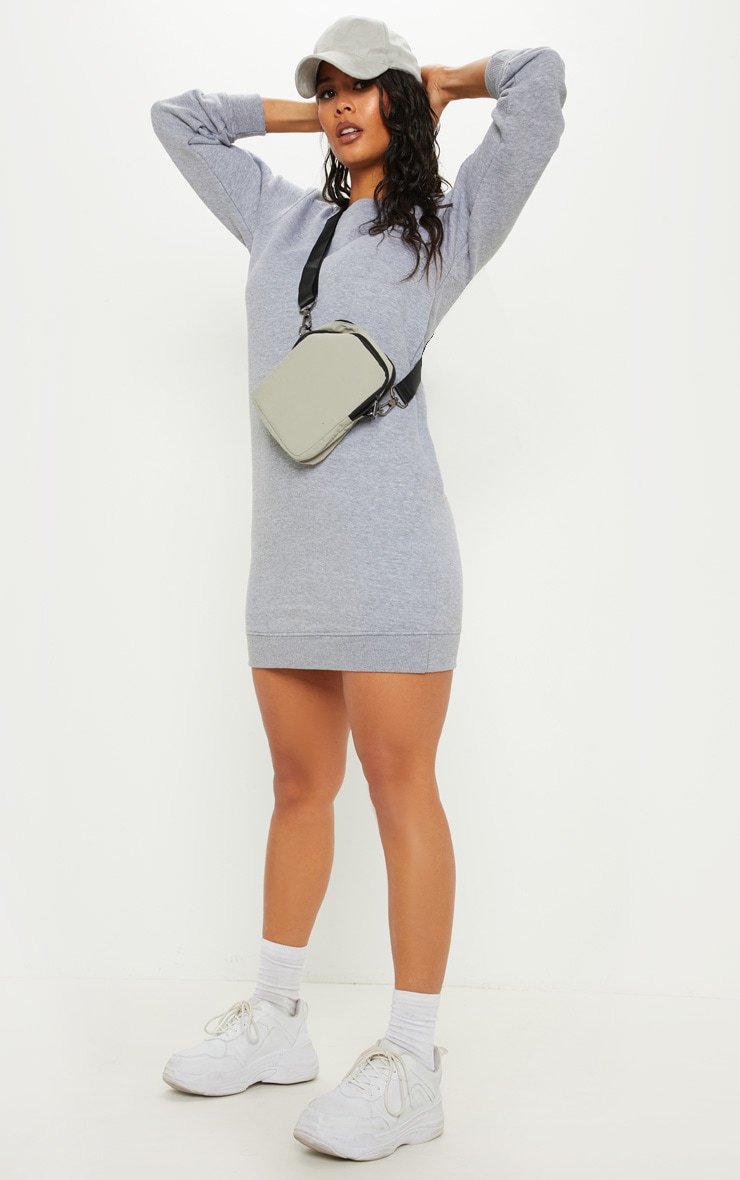
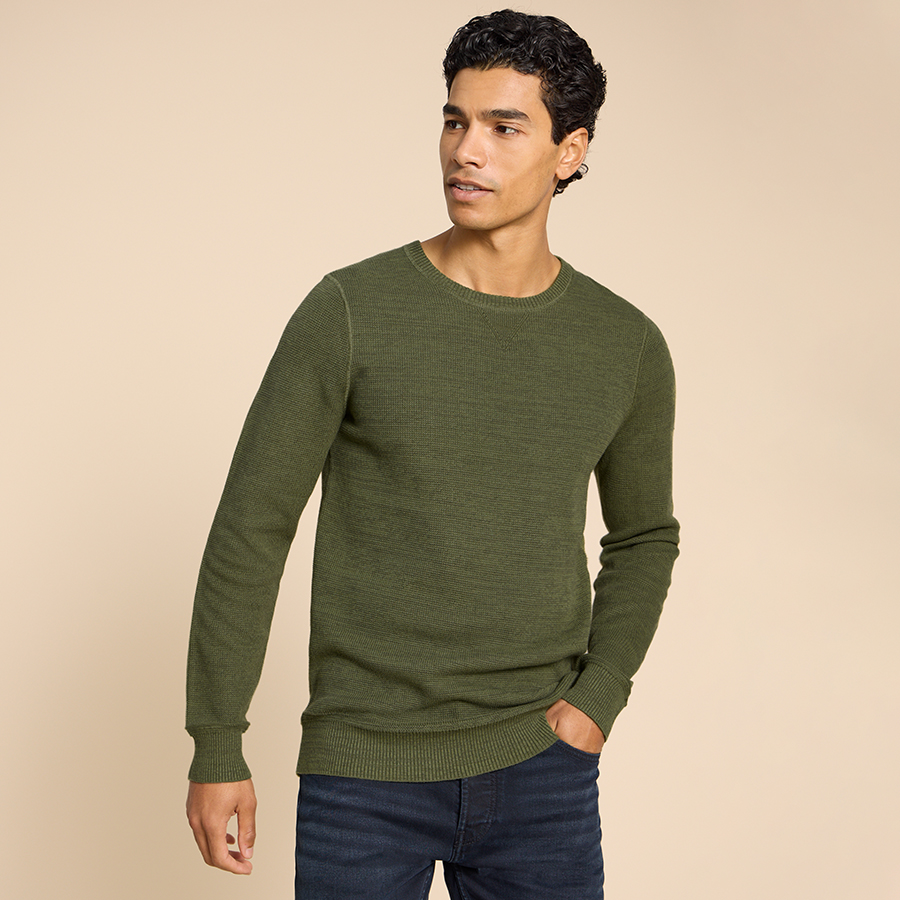
Crew neck jumpers are the sort of pieces that don’t require explanation or justification. They’re straightforward, uncomplicated, and absolutely foundational to most functioning wardrobes. What makes them genuinely valuable isn’t complexity—it’s reliability. A good crew neck jumper is the piece you reach for when you need warmth and comfort without making any sort of statement or requiring styling consideration.
What I’ve learned about crew neck jumpers is that the fit through the shoulders and arms is everything. I find that jumpers with proper shoulder seam placement and armhole depth allow genuine movement without creating bulk or constraint. Sloppy shoulder fit creates proportional problems regardless of what you’re wearing underneath, while too-tight armholes limit movement and create discomfort. The crew neck jumpers here have been designed with genuine attention to actual arm and shoulder movement.
The neckline itself needs to sit properly without gaping or pulling. I find that crew necklines work best when they actually skim your neck rather than either creating a chokehold or leaving an awkward gap. That seems like a basic detail but it dramatically affects how comfortable the jumper actually is to wear, and comfort determines how often you’ll reach for the piece. The crew neck jumpers here have necklines that actually function.
Fabric weight determines seasonality and versatility. I find myself drawn to medium-weight jumpers because they work through transitional seasons and can be layered or worn standalone depending on temperature. Heavy-weight jumpers only work in winter, limiting how often you’re actually wearing them. At under £30, choosing medium weights means you’re getting genuine year-round pieces rather than single-season items.

Length matters for proportions and layering compatibility. I find that jumpers hitting around hip-length work most versatilely because they work over most bottoms without creating awkward proportioning. Crop length has its place but it’s less universally versatile. The crew neck jumpers here hit that practical middle ground where they’re genuinely flexible across body types and styling situations.
Fabric composition affects both comfort and longevity. I find that jumpers made from wool blends or natural fibres age better than pure synthetics. They’re genuinely more comfortable to wear for extended periods, and they hold their shape better through repeated washing and wearing. At under £30, making smart fabric choices means you’re getting pieces that’ll look intentional months into wearing them rather than immediately developing pills or losing shape.
The rib structure at the cuffs and hem matters more than seems obvious. I find that properly constructed ribs that actually stay in place rather than stretching out mean the jumper maintains its shape through seasons of wear. Poorly constructed ribs create sloppy hems and cuffs that age the piece immediately. The crew neck jumpers here have been constructed with genuine attention to rib integrity.

What I appreciate most about crew neck jumpers is their absolute lack of pretension. They’re not trying to be anything other than warm, comfortable pieces that work with almost everything else in a wardrobe. That straightforwardness is genuinely valuable. You put on a crew neck jumper and you’re ready for essentially any casual situation without requiring any styling consideration whatsoever.
Colour choice affects versatility dramatically. I find myself drawn to neutral crew neck jumpers—grey, navy, cream, black—because they work with almost everything else in a wardrobe. Coloured jumpers can be fun but they’re immediately more limiting because they become style choices rather than just functional layering. The crew neck jumpers here prioritize that practical versatility through neutral colour selection.
Sleeve length is important for proportion and layering. I find that standard sleeve length works most often, hitting at the wrist bone and creating clean proportions. The crew neck jumpers here are selected for proper sleeve proportioning rather than expecting everyone to fit a single standard length.