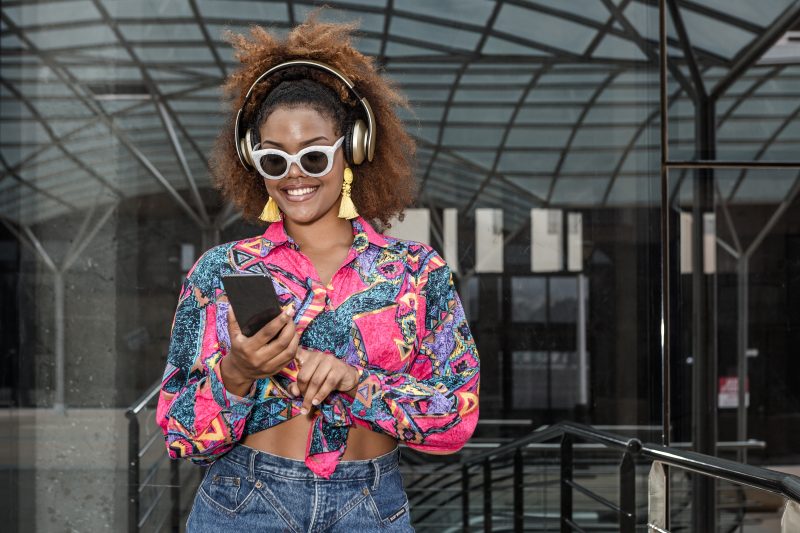
Last Tuesday I was planted in this ridiculously trendy café in Pioneer Square—you know the type, where a cortado costs more than lunch and the chairs seem designed by someone who actively hates human spines. I was supposed to be researching sustainable boot brands for fall, but honestly? I got completely distracted watching this fascinating fashion psychology experiment unfold at the tables around me.
There was this woman at the corner table who had absolutely nailed the clean girl thing—hair slicked back so perfectly it looked like she’d used a ruler, minimal gold jewelry, that effortless no-makeup makeup that probably took forty minutes to achieve. Her entire outfit screamed expensive basics. Meanwhile, across the room, someone was fully committed to dark academia vibes, complete with a worn leather messenger bag and what I swear was an actual copy of “The Secret History” (because of course). And by the window? Pure cottagecore energy—flowy dress, chunky cardigan that looked handknit, and an honest-to-god wicker basket instead of a purse.
I had this weird urge to play aesthetic musical chairs with them. Like, what would happen if the clean girl had to sit with the cottagecore setup for an hour? Would she spontaneously start braiding wildflowers, or would she have some kind of minimalist breakdown?
This whole scene reminded me of something my friend Dr. Sarah Kim told me a few months ago. She’s a fashion psychologist (yes, that’s actually a thing, and no, it’s not just an excuse to justify shopping habits—though honestly, it should be). We were having drinks after I interviewed her for a piece about retail therapy, and she said something that’s been stuck in my head ever since: “The aesthetics we gravitate toward aren’t random. They’re like… external expressions of our internal emotional landscape.”
Which got me thinking. And you know what happens when I start thinking about fashion psychology at 11 PM? I text inappropriate questions to professionals. So naturally, I found myself messaging Sarah: “URGENT: Does my occasional coastal grandmother phase mean I have unresolved issues about aging?” Because apparently that’s where my brain goes.
Sarah, being the saint she is, didn’t even question why this constituted an emergency. Instead, she invited me to her office the next week for what turned into this three-hour deep dive into aesthetic psychology that honestly felt more therapeutic than my actual therapy sessions. Her office, by the way, was peak minimalist chic—which made me immediately analyze what that said about her, because I’m apparently unable to turn off this mode anymore.
“Fashion choices are never just about clothes,” she explained while making me tea in a mug that perfectly matched her desk accessories. “They’re this complex intersection of identity, aspiration, cultural positioning, and sometimes emotional regulation.” I pretended to take professional notes while actually writing “EMOTIONAL REGULATION = MY THRIFT SHOPPING IS VALIDATED” in the margins.
What followed was this fascinating, slightly terrifying exploration of what our chosen aesthetics might reveal about who we really are. And before anyone comes for me in the comments—this is more like fashion astrology with slightly better research backing it up. Obviously, most of us float between multiple aesthetics (hello, weekend cottagecore meets weekday minimalist), and no, loving dark academia doesn’t automatically make you a brooding intellectual with daddy issues. Probably.
But let’s start with that clean girl aesthetic, because it’s everywhere and I have feelings about it. You know the look—slicked hair, glossy lips, neutral everything, that “I woke up like this” vibe that definitely requires a 45-minute morning routine. According to Sarah, this minimalist approach often appeals to people who crave control and efficiency in their lives.
“The clean girl aesthetic requires discipline,” she explained. “People drawn to it usually value order and feel empowered by simplification. There’s a precision to it that suggests someone who likes that same precision in other areas of life.”
Translation: Clean girls probably have color-coded Google calendars, meal prep on Sundays without complaining about it, and actually know their credit scores. They’re the friends who always have a phone charger, a tide pen, and somehow never look frazzled even when running late. It’s both inspiring and mildly infuriating.
But here’s where it gets interesting—Sarah pointed out that this aesthetic can also appeal to people whose lives feel chaotic internally. “There’s something psychologically comforting about having your external appearance completely under control when everything else feels messy,” she said. Which honestly made me look at my own minimalist phases with new eyes. Those periods when I purged my closet down to basics? Usually coincided with major life stress.

The clean girl thing can also be appealing to reformed maximalists who’ve been burned by past fashion choices. As someone with photographic evidence of some truly questionable early 2000s decisions involving way too much glitter, I get the appeal of a clean slate. Sometimes neutral basics aren’t about minimalism—they’re about fashion trauma recovery.
Moving on to dark academia, which is basically “what if I dressed like I attended an elite boarding school in 1954 and had very intense feelings about poetry?” We’re talking vintage blazers, oxford shoes, pleated skirts, enough tweed to reupholster a professor’s office, and books as mandatory accessories.
“Dark academia enthusiasts are usually romantics,” Sarah told me. “They’re drawn to depth, intellectual pursuit, and beautiful melancholy. There’s an appreciation for tradition and craftsmanship, but with a rebellious edge—it’s the uniform of education with a hint of tortured artist.”
In normal person terms: Dark academia folks probably have strong opinions about literature, know the proper way to make tea, and harbor secret fantasies about mysterious encounters in ivy-covered libraries. They definitely have carefully curated playlists for different moods and own at least one piece of clothing purchased specifically because it made them feel like a character in a novel.
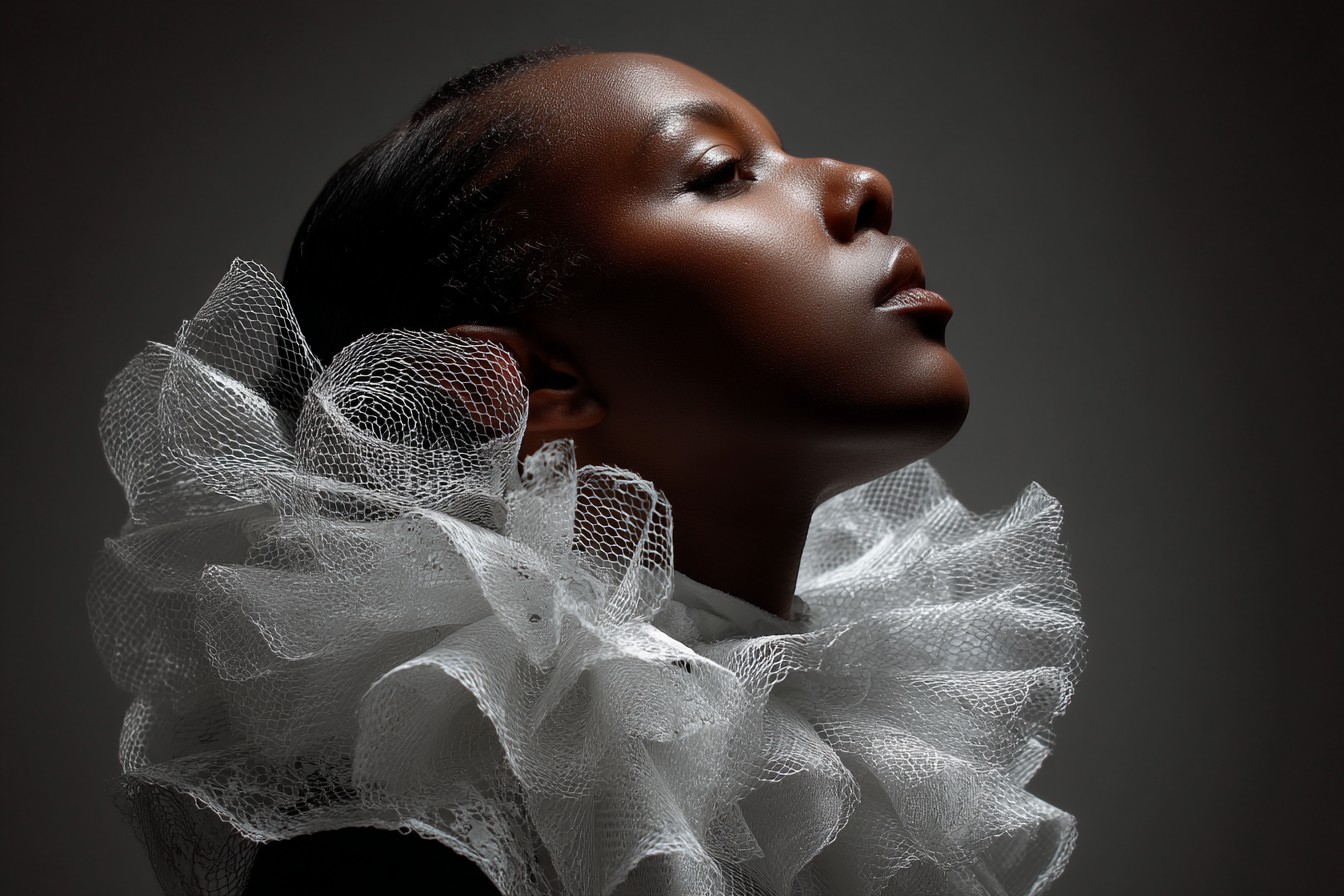
“There’s often a desire to connect with something timeless in a world that feels increasingly digital and transient,” Sarah added. “The aesthetic creates a tangible link to intellectual traditions and slower ways of living.” It’s basically analog nostalgia you can wear.
The shadow side? Sometimes it’s more about the performance of intelligence than actual learning. Sarah diplomatically mentioned “intellectual performativity,” which I interpreted as “carrying around Dostoevsky doesn’t mean you’ve actually read it.” Also, the obsession with elite academic institutions can get problematic if you’re not careful about examining what you’re really romanticizing.
Then there’s cottagecore—the aesthetic equivalent of being hugged by your grandmother while freshly baked bread cools on the windowsill and birds literally help you get dressed in the morning. Flowy dresses, pastoral prints, natural fabrics, and a DIY approach to basically everything.
“Cottagecore appeals to people seeking connection,” Sarah explained. “Connection to nature, to simpler ways of living, to more tangible forms of productivity. It often resonates with people who feel overwhelmed by modern life and are looking for grounding.”
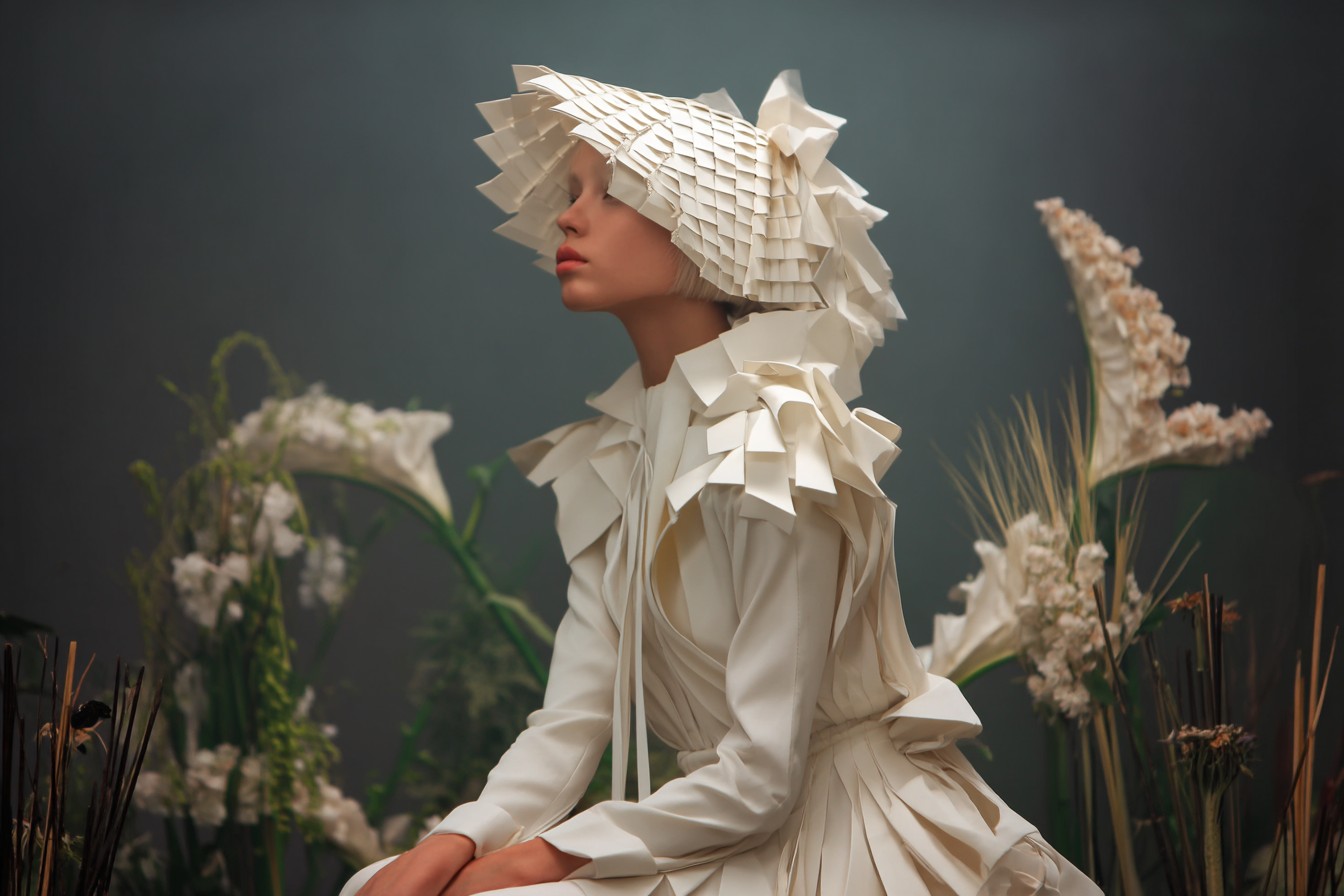
Translation: Cottagecore people probably have plants with names, know how to make at least one thing completely from scratch, and have definitely fantasized about chucking it all to live in a cabin. They’re the friends who remember your birthday without Facebook reminding them and give handmade gifts that make everything else seem hollow.
The downside? There can be some problematic romanticizing of agricultural life without acknowledging the actual hardships. And sometimes it becomes about escaping contemporary issues rather than engaging with them. Real farming involves significantly more manure and fewer golden hour photo opportunities than Instagram would have you believe.
We touched on other aesthetics too—coastal grandmother (for those who find deep peace in Ina Garten energy), Y2K revival (often embraced by people too young to remember our collective fashion crimes the first time around), and Barbiecore (which Sarah suggested might appeal to people reclaiming femininity as power rather than limitation).
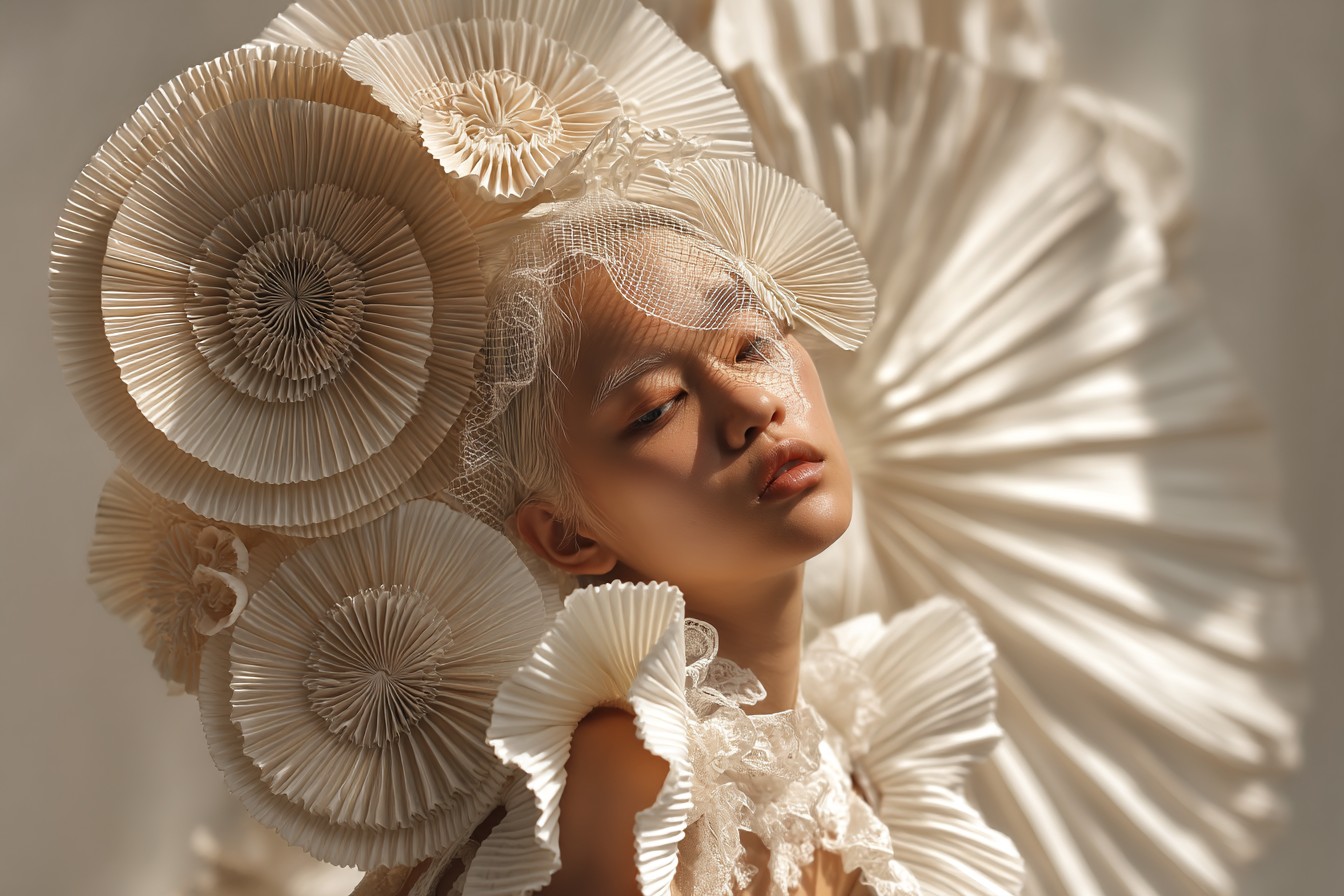
But the conversation got really interesting when we started talking about aesthetic-hoppers—those of us who can’t commit to a single style tribe. I’m definitely raising my hand here, as someone whose closet contains both a prairie dress and leather pants with zero shame about either choice.
“Aesthetic fluidity can actually indicate a healthy relationship with self-expression,” Sarah reassured me, which was honestly what I needed to hear. “It suggests adaptability and willingness to let different parts of your personality take center stage depending on context, mood, or what you need that day.”
So basically, my inability to stick with one consistent look isn’t fashion ADHD—it’s emotional intelligence expressed through clothing choices. I’m absolutely taking that win and running with it.
But here’s what really blew my mind: Sarah pointed out that many people are drawn to aesthetics that express parts of themselves they can’t fully embody in their regular lives. The high-powered executive with secret cottagecore Pinterest boards. The shy academic with a closet full of bold weekend pieces they never quite work up the courage to wear. The chaotic creative who deeply appreciates clean girl minimalism but can’t maintain it for longer than three days.
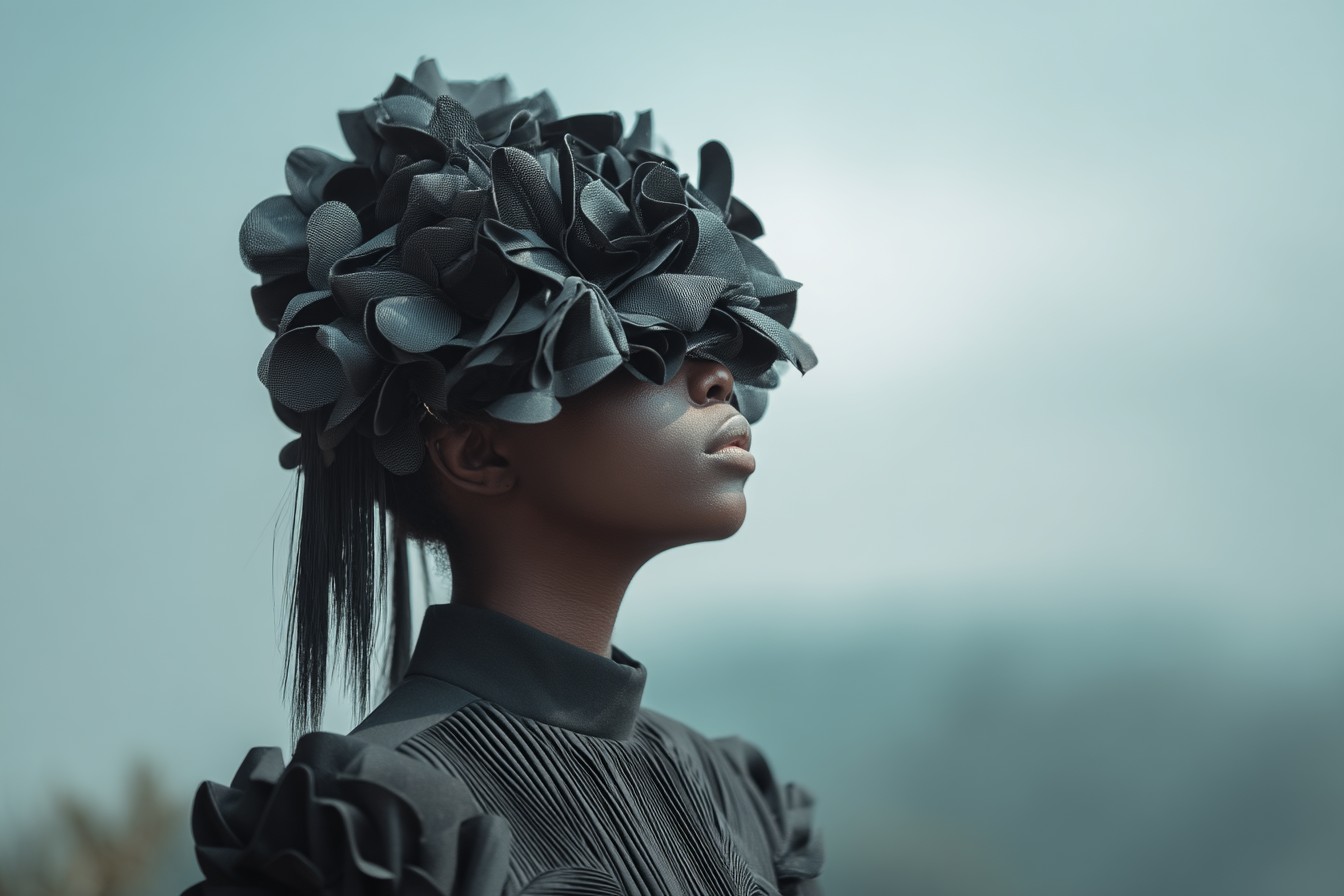
“Fashion and aesthetic choices can be safe spaces for identity exploration,” Sarah explained. “They let us try on different versions of ourselves.” Which explains why my most buttoned-up friend has a secret collection of dramatic black pieces she never wears in public, and why I still own sensible pumps despite working in an industry where they’re basically extinct.
The most valuable thing I took from our conversation wasn’t about specific aesthetics at all. It was about intention. “The healthiest relationship with any aesthetic comes when you’re choosing it consciously,” Sarah said. “When you understand what draws you to it and what needs it meets for you. Problems arise when we adopt aesthetics without examining why they appeal to us.”
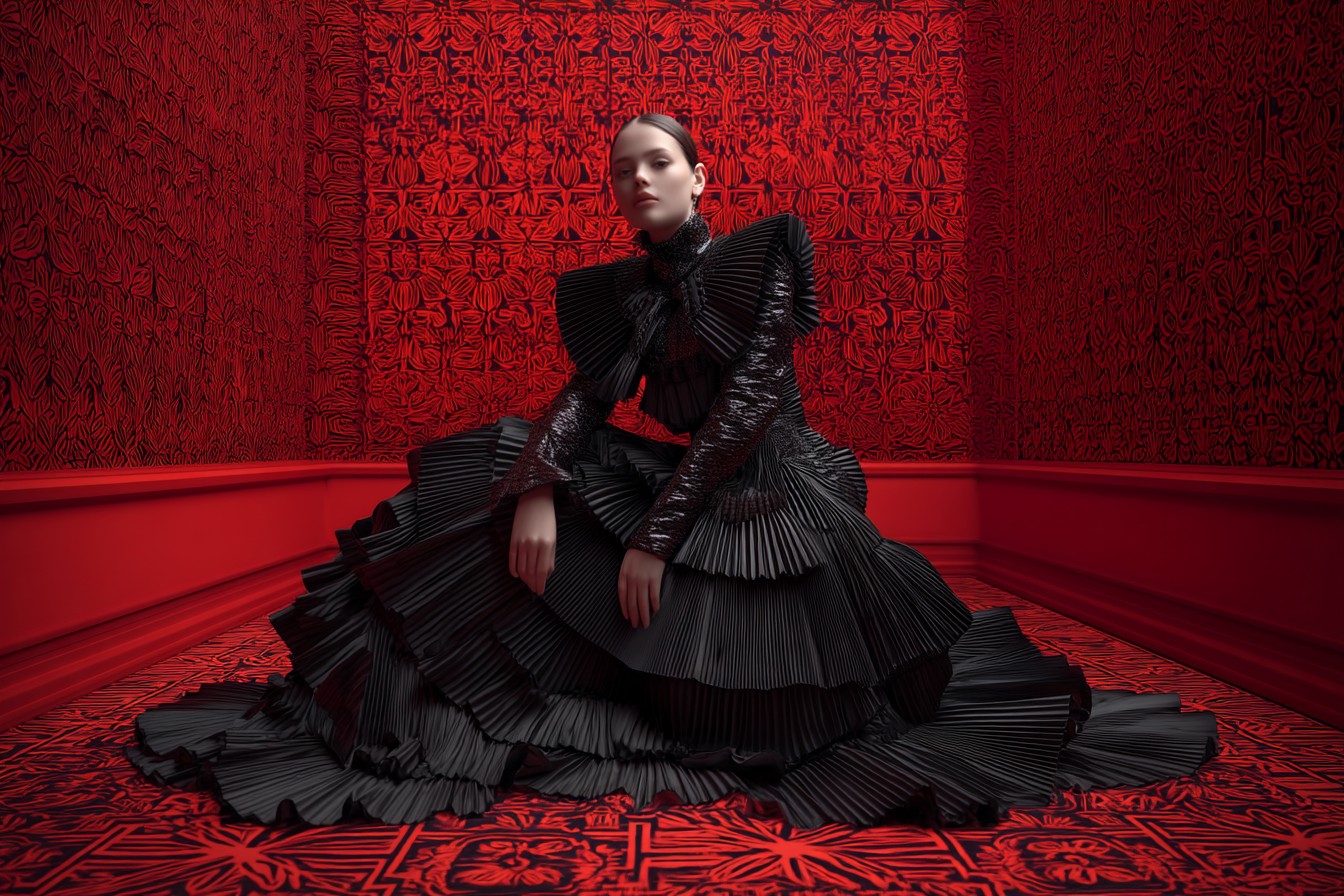
So where does this leave us, besides with some fancy new justifications for our shopping habits? (Only half kidding.) While it’s fun to psychoanalyze what our linen pants or vintage blazers might say about our inner lives, the reality is way more complex than any aesthetic categorization could capture. We contain multitudes, as Walt Whitman said, and so do our closets.
What matters isn’t which aesthetic box you fit into, but how your choices make you feel. Does that slicked-back bun help you feel in control when life is chaos? Excellent therapeutic use of hair gel. Does wrapping yourself in a handmade cardigan make you feel connected to slower traditions? Cottagecore away. Does putting on a structured blazer make you feel like the main character in your own intellectual journey? Welcome to dark academia.
Just remember that aesthetics are tools for expression, not rigid identity categories. The moment any look feels more like a costume you have to perform than an authentic extension of yourself, it might be time to reassess.
As for me? I’ll keep psychoanalyzing strangers in coffee shops based on their outfit choices, fully aware that the clean girl might have a chaotic junk drawer, the dark academia devotee might secretly binge reality TV, and the cottagecore enthusiast might be a tech executive who’s never successfully grown herbs. The beauty of fashion is in the stories it tells—sometimes accurate, sometimes aspirational, but always deeply human. And that complexity is what keeps me coming back, notebook in hand, people-watching from uncomfortable café chairs while my overpriced latte gets cold and I pretend I’m not doing the exact same performative aesthetic choices I’m analyzing in everyone else.

Riley’s an environmental consultant in Seattle with strong opinions on greenwashing and fast fashion. She writes about sustainability without the guilt trip—realistic tips, honest brand talk, and a reminder that progress beats perfection.