So last week I’m standing outside Jackson’s elementary school – my husband had an early meeting so I got drop-off duty – and I swear I counted at least six moms wearing basically the identical outfit. You know the one. Striped shirt (usually navy and white), dark jeans or khakis, some kind of vest or light jacket, and either white sneakers or brown ankle boots depending on whether it looked like rain. It was like they’d all gotten the same memo about the mom uniform that I somehow missed.
I mean, I get it. We’re all trying to look put-together while also being prepared for whatever chaos our kids throw at us during the day. But standing there in my Madewell jeans and an old cardigan from Target, watching this parade of identical outfits, I couldn’t help but think there had to be other options. Better options. Options that didn’t make me feel like I was slowly disappearing into suburban mom anonymity.
The thing is, I’ve been there. After Emma was born and I was home full-time, I basically lived in the same rotation of comfortable, washable, “appropriate for public” clothes. Nothing too fancy because what’s the point when you’re just going to get applesauce on it anyway. Nothing too fitted because your body’s still weird and nothing fits right. Nothing that requires dry cleaning because who has time for that. Before I knew it, I looked exactly like every other mom at Target.
But here’s what I’ve learned over the past year of trying to find my style again – there are actually some really great British brands (yes, I know we’re in Minnesota, but stick with me) that solve the same problems as that standard mom uniform but with way more personality. They cost a bit more upfront, but they’re the kind of pieces you’ll actually want to wear for years instead of just tolerating until you can figure out what you actually like again.

I discovered Community Clothing through Instagram, actually. Patrick Grant started it to create jobs in UK textile factories, and their stuff has this perfect balance of practical and interesting. Their work jackets are around $150, which sounds like a lot until you realize you’ll probably wear it three times a week for the next five years. It’s substantial enough to keep you warm during those freezing soccer games but not so bulky that you feel like you’re wearing a sleeping bag. And they come in colors beyond the usual navy and beige – I got mine in this great olive green that goes with everything but doesn’t blend into the crowd.
The pockets situation alone makes it worth it. Real pockets that can actually hold your phone, keys, the random rocks your kid hands you, whatever snack they decide they don’t want anymore. Why is it so hard to find women’s clothes with decent pockets? It’s like designers think we all carry purses everywhere, which clearly they’ve never tried to chase a toddler while juggling a diaper bag and someone’s forgotten water bottle.
Then there’s Carrier Company, which I found when I was desperately googling “interesting jackets that can survive playground duty.” It’s this small company in Norfolk that makes workwear-inspired pieces that actually look like they belong in 2024. Their Norfolk work jacket has become my go-to for school pickup – it’s boxy and utilitarian but in a cool way, not in a “I’ve given up on looking like a human person” way. At around $170, it’s definitely an investment, but it’s held up through everything Minnesota weather has thrown at it.

For knitwear – because let’s be honest, we basically live in sweaters from October through April here – I’ve become obsessed with &Daughter. Yes, their jumpers are expensive. Like $300-400 expensive. But hear me out. I bought one last fall and I’ve worn it probably twice a week since then. It still looks brand new, it’s warm enough that I don’t need a coat for quick errands, and it’s substantial enough that it doesn’t show every single stain the way lighter sweaters do. When you break it down per wear, it’s actually more economical than buying a new $50 sweater every season that pills after three washes.
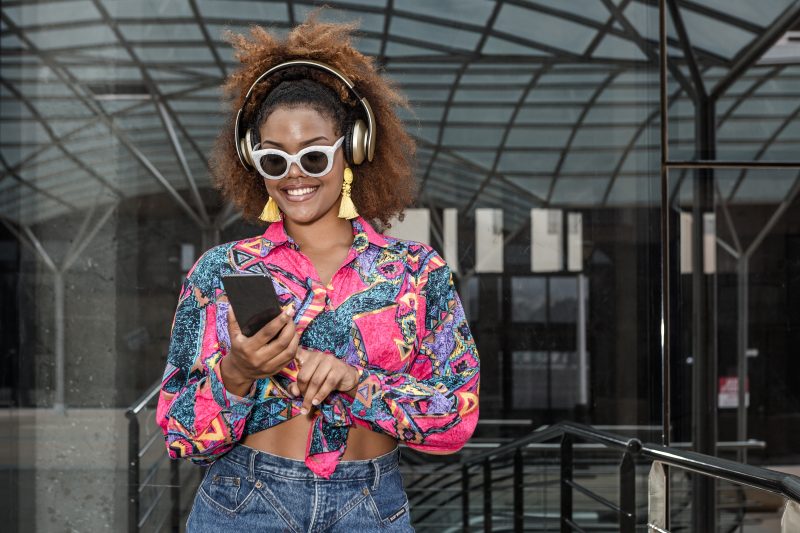
The real game-changer for me has been Palava, though. They make these amazing printed dresses and tops that are basically the opposite of the beige neutrals that dominate mom fashion. Bright florals, quirky patterns, actual colors that make you feel happy when you put them on. Their midi dresses are around $115 and they have pockets (obviously crucial) and they’re made from organic cotton that holds up to constant washing. I have one with this gorgeous botanical print that I get compliments on every time I wear it. It’s the kind of dress that makes other moms ask where you got it instead of just nodding in recognition.
The dress thing has been huge for me, honestly. When you’re getting everyone ready in the morning and you only have like ten minutes to get yourself dressed, throwing on one piece that looks intentional is so much easier than trying to coordinate separates. Plus dresses make me feel more put-together even when I’m basically running on coffee and whatever energy Jackson’s leftover breakfast gives me.

For jeans, I’ve been really impressed with Hiut Denim. They’re made in Wales by this company that’s trying to bring jean manufacturing back to a town that used to have a big denim factory. At around $200, they’re definitely more than my usual Target jeans, but the fit and quality are incredible. They have this whole thing about not washing them too often – which honestly is perfect for my life because who has time to be constantly doing laundry anyway? They get better with wear instead of falling apart, which is revolutionary when you’re used to cheap jeans that get saggy and weird after a few months.
The footwear situation is always tricky because you need something that can handle playground gravel and random puddles but doesn’t look like you’re planning to climb a mountain. I’ve been wearing these shoes from Tracey Neuls – her GEEK style – that hit this perfect sweet spot of practical and interesting. They’re around $230, which is a lot for shoes, but I’ve been wearing the same pair almost daily for over a year and they still look great. They work with jeans or dresses, they’re comfortable enough for chasing kids around, and they have enough personality that they don’t disappear into boring mom shoe territory.
What I love about all these brands is that they solve the same problems as the standard mom uniform – comfort, durability, appropriate coverage for bending down to tie shoes and pick up dropped snacks – but they do it in a way that feels intentional instead of just… resigned. Like you’re choosing to dress this way because you actually like how you look, not just because it’s the path of least resistance.

I’m not saying there’s anything wrong with the classic striped shirt and vest combo. It works, obviously, or it wouldn’t be so popular. And honestly, some days when I’m running late and Jackson can’t find his library book and Emma’s having a meltdown about her socks, I just grab whatever’s clean and functional. But having options that make me feel like myself – not just “Jackson and Emma’s mom” but Taylor who used to work in PR and still cares about looking good – has made such a difference in how I feel about getting dressed every day.
The other unexpected benefit is that wearing slightly different clothes at school pickup has actually helped me connect with other parents who are also trying to break out of the uniform mold. There’s this one dad who always wears these cool Japanese workwear pieces, and this mom who has amazing vintage coats, and we’ve kind of formed our own little group of people who care about clothes but also understand the realities of family life. It sounds silly, but something as simple as wearing a dress with an unusual print or a jacket in an unexpected color can be a conversation starter with people you might not otherwise talk to.
For outerwear beyond the standard options, Folk makes these interesting cropped raincoats and lightweight jackets that handle our unpredictable weather without looking like everyone else’s gear. They’re definitely investment pieces at $300-400, but they’re the kind of coats that work for school pickup and date night and work meetings (if I ever go back to having those). The details are what make them special – unusual fastenings, interesting collar shapes, subtle design elements that elevate them beyond basic functional outerwear.

I’ve also been exploring Olive Clothing for skirts and dresses that go beyond the standard A-line territory. Their pieces have interesting pleating or asymmetric hems – details that make them distinctive without being weird or impractical. At around $100-120, they’re definitely more than fast fashion, but they’re made from natural fabrics that improve with age instead of looking tired after a few washes.
The cost factor is real, I’m not going to pretend otherwise. When you’re used to buying most of your clothes at Target or on sale at department stores, spending $200 on jeans or $300 on a sweater feels scary. But what I’ve learned is that buying fewer, better pieces actually makes getting dressed easier. When everything in your closet is something you genuinely like and that works for your actual life, you don’t have that “closet full of clothes but nothing to wear” problem anymore.
I’ve started thinking of it as building a uniform, but a personal one instead of the standard issue mom uniform. A jacket I love that works with everything, jeans that fit well and last, a few dresses that make me feel confident, comfortable shoes that don’t bore me. It’s taken me about a year to put together, buying one piece at a time when I could afford it, but now getting dressed feels intentional again instead of just… functional.

The other thing about these British brands is that they tend to focus on sustainability and ethical production, which matters to me but wasn’t always accessible when I was shopping purely based on price. Community Clothing specifically exists to create jobs in UK textile manufacturing. &Daughter works with traditional mills. Hiut Denim brought jeans production back to a town that had lost its main industry. There’s something satisfying about knowing that the clothes you’re wearing regularly support that kind of business model.
Is it perfect? Of course not. I still have days when I throw on leggings and my husband’s old college sweatshirt because that’s what works. And I definitely still shop at Target for basics and the kids’ clothes and anything that’s likely to get destroyed quickly. But having some pieces that I genuinely love and that make me feel like myself has changed how I think about getting dressed. It’s not just about covering my body appropriately anymore – it’s about presenting myself to the world in a way that feels authentic.
Standing at school pickup last Tuesday, wearing my olive green Community Clothing jacket and a Palava dress, I realized I couldn’t immediately spot the uniform brigade the way I used to. Not because they weren’t there, but because I wasn’t automatically scanning for people who looked like the version of myself I was trying not to become. Instead, I was just… existing as myself, in clothes I liked, ready for whatever the day would throw at us. And honestly, that feels like a pretty significant victory for a Tuesday morning in suburban Minneapolis.

Claire started Claire Wears to bridge the gap between fashion media and real life. Based in Chicago, she writes with honesty, humor, and a firm “no” to $300 “affordable” shoes. Expect practical advice, strong opinions, and the occasional rant about ridiculous trends.