Last week at Target – yes, Target, the height of my social calendar these days – this woman approached me in the clothing section and asked if I was a personal shopper. I was literally holding a pack of Goldfish crackers and had Emma’s leftover fruit snacks stuck to my jacket sleeve, but apparently my outfit was giving off some kind of professional vibe I wasn’t even aware of.
I was wearing my go-to mom uniform that actually makes me feel put-together: dark jeans that fit properly (a recent victory), an oversized black sweater from Madewell that I got on sale, and my beat-up white Adidas sneakers that have seen more playgrounds than a jungle gym inspector. My hair was in what I generously call a “low-maintenance bun” but is really just twisted up and held with whatever hair tie I found in my purse.
“Oh no,” I laughed, “I’m just a mom trying to find pants that don’t make me look like I’ve given up on life.” But her comment got me thinking – and you know how dangerous that can be when you’re sleep-deprived and have too much time to overthink while kids are at preschool.
See, before I had kids and when I still worked in PR, I used to pay attention to how different people in various jobs dressed. There were these unspoken uniform codes that everyone seemed to follow, and I started wondering if those still existed. So I did what any rational person would do – I spent way too much time researching this instead of folding the laundry that’s been sitting in baskets for three days.
Turns out, professional fashion uniforms are absolutely still a thing, and I’d accidentally stumbled into one without realizing it. The “effortless but intentional” look I was going for apparently screams fashion industry, even when you’re buying bulk snacks and wondering if your toddler will actually eat the organic mac and cheese you keep optimistically purchasing.
Let me break down what I discovered, because honestly, understanding these codes has been kind of fascinating – like anthropology but with better shoes.
Fashion stylists, I learned, have perfected the art of looking like they just threw something on while actually wearing pieces that cost more than my monthly grocery budget. They do the whole expensive basics thing – that “simple” white t-shirt is probably from some brand I can’t pronounce and costs $150. The jeans look perfectly worn-in but they’re designer. The sneakers appear beaten up but they’re limited edition something-or-others from a collaboration that sold out in minutes.
I actually know someone from college who became a stylist in Chicago, and when I ran into her at a coffee shop last year, she looked exactly like this. Gorgeous distressed denim jacket that probably cost more than my entire outfit, perfectly imperfect hair, and these amazing vintage-looking boots that she later told me were from some designer I’d never heard of. She looked effortless, but it was clearly very expensive effortless.
The fashion editor uniform is completely different – much more polished and intimidating. Think sharp blazers, perfect makeup, heels that make you wonder how they walk on actual sidewalks, and at least three visible designer pieces. These are women who look like they stepped out of a magazine, which makes sense because they literally work for magazines.
I remember when I worked in PR, we’d sometimes interface with editors from fashion publications, and they were always impeccably dressed in this very specific way. Everything coordinated, nothing out of place, hair that defied all weather conditions. I used to wonder if they woke up looking like that or if it took two hours every morning. Probably both.
Then there are the PR people – and having been one, I can tell you the pressure to look expensive is real. When you’re representing luxury brands, you become a walking advertisement. Designer bag, current season shoes, flawless makeup, and usually at least one piece from whatever brand you’re working with. It’s like being a very well-dressed billboard.
I used to stress so much about having the right outfits for client meetings. Could I wear the same blazer twice in one week? Were my shoes current enough? Did I look successful and polished enough to be taken seriously? It was exhausting, honestly, and part of why I don’t miss that world, even though I sometimes miss having a reason to wear real pants.
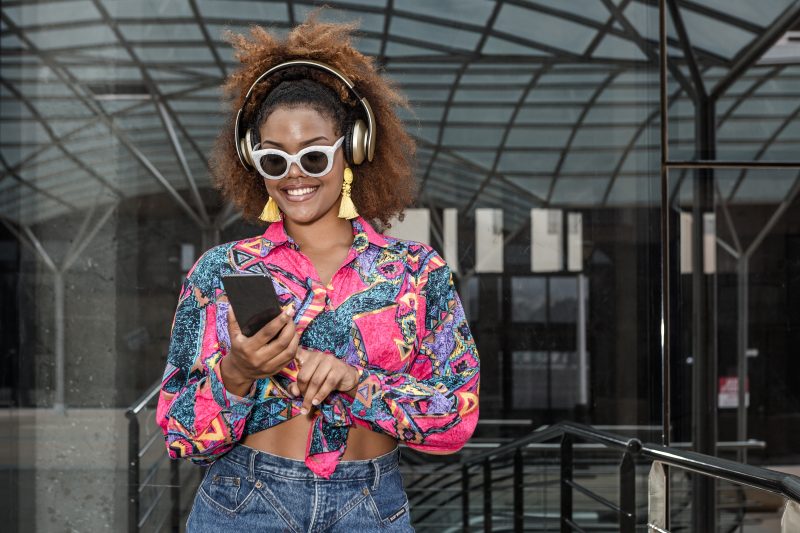
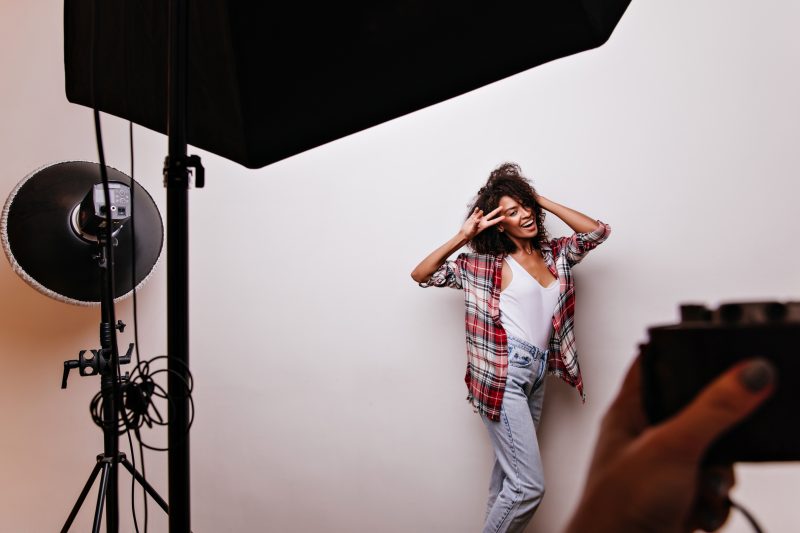
But the most interesting discovery was about fashion photographers and creative directors. They’ve got this whole anti-fashion fashion thing going on – all black everything, architectural glasses, deliberately basic clothes that somehow cost a fortune. It’s like they’re so confident in their creative vision that they don’t need to express it through their clothing. Very intimidating in a minimalist way.
The retail buyers have maybe the most practical approach – they need to look current enough to have credibility when selecting merchandise, but comfortable enough to spend hours in showrooms looking at line sheets. They’re the ones who figured out how to be trendy and functional at the same time, which honestly sounds like the holy grail of professional dressing.
And then there are the actual designers, who often look like they rolled out of bed and grabbed whatever was closest. I think when you’re spending all your creative energy on collections, you don’t have much left over for your own wardrobe. It’s kind of endearing, actually – these incredibly talented people who create beautiful clothes but personally live in basically a uniform of jeans and t-shirts.
What’s funny is realizing I’d accidentally created my own version of these uniforms as a stay-at-home mom trying to look like a functional human being. My “good mom” outfit – the one that makes me feel put-together enough to run errands without hiding behind sunglasses – apparently borrows elements from the stylist playbook. Who knew?
The more I thought about it, the more I realized how much our clothes communicate about who we are and what we do, even when we’re not trying to send any particular message. That woman at Target made an assumption about my job based purely on how I was dressed, and she wasn’t entirely wrong – I do care about fashion and style, I just express it differently now than I did ten years ago.
It made me think about how I dress for different situations without even realizing it. When I’m going to school pickup and want to blend in with the other moms, I definitely dress differently than when I’m meeting up with my old PR friends and want to seem like I haven’t completely let myself go. When I’m taking the kids to the playground, comfort wins every time. When I’m going anywhere I might run into people from my old professional life, I make sure I’m wearing something that suggests I still own clothes that aren’t covered in mysterious stains.
There’s something both liberating and slightly depressing about recognizing these patterns. Liberating because once you understand the code, you can use it to your advantage. Slightly depressing because it means we’re all just playing dress-up to fit into whatever box people expect us to occupy.
But here’s what I’ve learned from this whole deep dive into professional fashion uniforms – they exist for a reason, and understanding them can actually be pretty useful. Not because you need to conform to them, but because recognizing the signals helps you communicate more effectively through your clothes.
These days, my version of strategic dressing is much simpler than it used to be. Good jeans that fit properly, comfortable shoes that don’t scream “I’ve given up,” and one or two pieces that make me feel like myself rather than just someone’s mom. It’s not about following any particular fashion job formula – it’s about finding my own version of put-together that works for my actual life.
And if that accidentally makes people think I’m a personal shopper at Target? Well, there are worse things to be mistaken for. At least it means I’m doing something right in the looking-like-a-functional-adult department, even if my biggest fashion challenge these days is finding shirts that hide Goldfish crumb residue.

Taylor’s a Minneapolis mom rediscovering her style between school runs and snack time. She writes about fashion that survives real life—affordable, comfortable, and still cute. Her posts are for moms who want to feel good without pretending motherhood is effortless.