I need to confess something embarrassing: I’ve been unconsciously dressing like a camp counselor from 1979, and I didn’t even realize it until my friend Emma called me out last week. “You look like you’re about to teach someone how to make a friendship bracelet,” she said, eyeing my khaki shorts, practical button-down, and hiking boots that have never seen an actual trail. The worst part? She was absolutely right, and I wasn’t even mad about it.
Growing up in Boulder, I was surrounded by outdoorsy people who actually knew how to use their gear. My parents dragged me on enough camping trips that I should theoretically know the difference between practical outdoor clothing and fashion’s interpretation of it. But here I am, three decades later, buying “hiking” boots to wear to coffee shops and considering shorts with way more pockets than any reasonable person needs for urban living.
This whole camp counselor aesthetic thing has completely taken over fashion, and honestly, I’m here for it even though it makes zero sense from a sustainability perspective. We’re literally buying clothes designed for activities we’ll never do, made by brands capitalizing on nostalgia for an experience most of us never had. It’s peak fashion absurdity, but there’s something weirdly appealing about cosplaying as someone competent enough to supervise children in nature.
I first noticed this trend at a sustainable fashion panel in Portland—which, let’s be honest, is exactly where you’d expect camp counselor chic to make its debut. Half the audience looked like they’d stepped out of a 1980s summer camp brochure, but with designer price tags. Miu Miu shorts paired with vintage camp t-shirts. $400 hiking boots that had clearly never touched dirt. Rope bracelets that probably cost more than actual rope.
The sustainability angle is what gets me the most conflicted about this whole thing. On one hand, there’s something refreshing about fashion embracing practical clothing designed to last. Camp counselor aesthetic is built around durable fabrics, functional details, and timeless silhouettes that won’t look ridiculous in five years. These are clothes meant to survive activities, even if we’re not actually doing those activities.
But then you look at how luxury brands are interpreting this trend, and it’s… not great. Hermès camp shirts for $3,000. Prada hiking boots that would fall apart if you actually hiked in them. The same fast fashion cycle, just wrapped in outdoor aesthetics and sold with promises of “technical” fabrics that are really just marketing speak for synthetic materials.
I’ve been trying to approach this trend through my usual sustainable fashion lens, which means lots of secondhand shopping and supporting actual outdoor brands rather than fashion brands cosplaying as outdoor brands. Patagonia shorts from 1995 that still look perfect. Vintage camp t-shirts from actual summer camps in Maine. L.L.Bean pieces that were built to last decades, not seasons.
The thrift stores in Seattle have become goldmines for this aesthetic. I found an incredible 1980s camp counselor windbreaker last month—complete with embroidered whistle logo—for eight dollars. It’s become my most complimented piece, which says something about fashion’s current priorities. People are more excited about my vintage camp gear than they’ve ever been about any designer piece I’ve worn.
What’s interesting is how this trend crosses traditional fashion categories. It’s not explicitly feminine or masculine—it’s just practical. Shorts are shorts. Button-downs are button-downs. The styling might differ, but the basic garments are pretty universal. There’s something refreshing about fashion embracing this kind of functional androgyny, even if it’s mostly performative.
I’ve been analyzing why this aesthetic resonates so much right now, and I think it’s partly about competence fantasy. We’re living through times when everything feels chaotic and out of control, so there’s appeal in dressing like someone who has their shit together enough to be trusted with children in the wilderness. The camp counselor represents authority without being threatening—someone whose biggest concern is making sure everyone gets a turn with the craft supplies.
There’s also the nostalgia factor, but it’s nostalgia for something most of us never experienced. I went to day camps occasionally as a kid, but nothing like the sleepaway camp culture this aesthetic references. It’s borrowed nostalgia, which fashion loves because it’s not tied to anyone’s actual disappointing memories.
From an environmental perspective, the appeal makes some sense too. Post-pandemic, we’re all supposed to be spending more time outdoors, connecting with nature, being more mindful about our consumption. Dressing like we live this way is easier than actually living this way, especially for those of us whose outdoor skills max out at parallel parking.
The color palette deserves special mention because it’s so distinctly anti-Instagram. We’re talking sun-faded primary colors, earthy neutrals, safety orange, forest green—colors that photograph terribly under ring lights but look amazing in actual daylight. It’s like fashion is finally acknowledging that not everything needs to be optimized for social media, which is revolutionary in its own small way.
I’ve been building my camp counselor wardrobe slowly, trying to stick to pieces I’ll actually wear beyond this trend cycle. Vintage Levi’s shorts that hit the sweet spot between practical and flattering. A collection of camp shirts in various stages of fade. Canvas sneakers that look better the more beat up they get. Birkenstock Arizonas that I bought used and am slowly breaking in to look authentically weathered.
The accessories are where things get really specific. Rope bracelets that look handmade (even if they’re from a $200 jewelry brand). Canvas totes with nature center logos. Nalgene water bottles covered in stickers from places you may or may not have actually visited. I bought a water bottle from Olympic National Park during a work trip, and it’s become my most conversation-starting accessory.
What’s funny is how seriously fashion people are taking this very unserious aesthetic. I was at a sustainable fashion event last month where someone gave a whole presentation about “technical luxury” and “performance craft details” while discussing what were essentially expensive versions of camp uniforms. The fashion industry’s ability to intellectualize anything never fails to amaze me.
But maybe that intellectualization misses the point. The appeal of camp counselor chic isn’t that deep—it’s about looking like you could handle yourself outdoors while never having to actually test that theory. It’s costume play for adults who missed out on certain childhood experiences and want to retroactively dress the part.
From a practical sustainability standpoint, I’m trying to approach this trend thoughtfully. Buying vintage when possible. Supporting actual outdoor brands that have been making these pieces forever, rather than fashion brands jumping on the bandwagon. Choosing pieces I’ll still want to wear when fashion moves on to whatever comes next (probably something equally ridiculous).
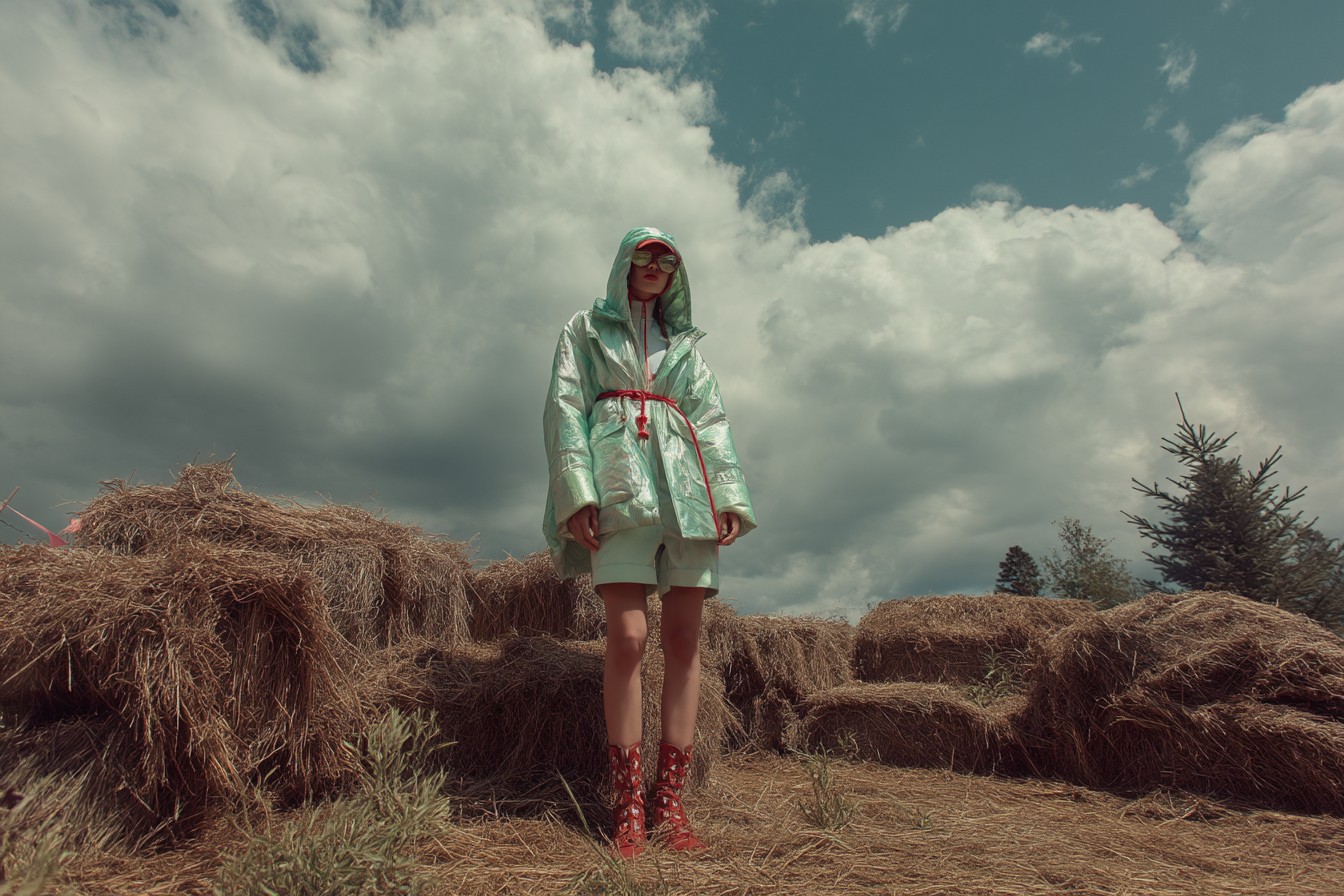
The styling is where you can really lean into the fantasy. Hair in braids or looking naturally tousled. Minimal makeup with that sun-kissed glow (carefully applied, of course). Jewelry that looks handmade or at least not obviously expensive. The goal is to look like you’ve been spending time outdoors doing wholesome activities, even if your most strenuous recent activity was walking up the stairs to your apartment.
I’ve noticed different subcategories emerging within the camp counselor aesthetic. There’s luxury camp—designer interpretations that cost more than actual camp tuition. Vintage camp—authentic pieces from real summer camps, complete with embroidered names and activity badges. And ironic camp—where people lean hard into the cheesiest elements with full awareness of the absurdity.
My personal approach falls somewhere between vintage and ironic. I genuinely love the practicality of the clothes, but I’m fully aware that I’m playing dress-up as someone more outdoorsy than I actually am. It’s fashion role-play, and I’m okay with that as long as I’m not pretending it’s something more meaningful than it is.
The trend has completely infiltrated my summer wardrobe, and I’m not mad about it. These are comfortable clothes that work for the actual outdoor activities I do engage in—farmers market visits, beer garden hangs, walking around the city in 80-degree weather. If I happen to look like I could also lead a canoe trip or identify edible plants, that’s just a bonus.
What’s interesting is how this aesthetic has made certain outdoor brands suddenly fashion-relevant. Patagonia shorts are showing up at dinner parties. Tevas are being worn unironically by people who haven’t seen a hiking trail in years. L.L.Bean totes are appearing at fashion events. These brands didn’t change their products—fashion just finally caught up to what they’d been doing all along.
For anyone wanting to try this trend sustainably, I’d recommend starting with actual outdoor brands rather than fashion interpretations. The pieces will be better made, more authentic-looking, and you’ll get more wear out of them. Plus, you’re supporting companies that have been committed to durability and functionality for decades, not just jumping on a trend.

The vintage route is even better if you can find pieces. Real camp counselor gear from the 80s and 90s has an authenticity that new pieces can’t replicate. Plus, you’re keeping clothes out of landfills and supporting circular fashion—always a win from my perspective.
I’m curious how long this trend will last and what it might evolve into. Will we get more specific outdoor subcategories? Rock climbing instructor chic? Wilderness guide aesthetic? Or will fashion move on to some completely different form of competence cosplay? Maybe we’ll all start dressing like librarians or park rangers next.
For now, I’m enjoying my camp counselor era. It’s given me permission to prioritize comfort and practicality without sacrificing style. My hiking boots that have never hiked make me feel more capable, even if that capability is entirely fictional. My cargo shorts hold everything I need for city adventures, even if those adventures mostly involve coffee runs and bookstore browsing.
The best part about this trend is how it’s made practical clothing fashionable again, even if the practicality is mostly theoretical. We’re celebrating durability, functionality, and timeless design—values that align with more sustainable fashion consumption, even when the execution isn’t perfect.
Last weekend, I wore my full camp counselor uniform—vintage shorts, faded camp t-shirt, hiking boots, canvas tote—to a farmers market, and I felt more authentically myself than I have in more obviously fashionable outfits. Maybe that’s the real appeal of this trend: it gives us permission to dress for the people we wish we were, even if we’re not quite ready to become those people yet.
Will I actually sign up to be a camp counselor? Absolutely not—I can barely keep houseplants alive, let alone supervise children in nature. But will I continue dressing like someone who could handle both responsibilities? You bet. Fashion has always been about transformation and aspiration, and right now I’m aspiring to be someone practical enough to own rope and confident enough to wear it as jewelry.
The camp counselor aesthetic isn’t going anywhere soon, and honestly, I’m okay with that. It’s comfortable, it’s sustainable-adjacent, and it makes me look like I have outdoor skills I definitely don’t possess. In a world where most fashion trends require suffering for style, dressing like summer camp staff feels refreshingly sensible—even when it’s anything but.

Riley’s an environmental consultant in Seattle with strong opinions on greenwashing and fast fashion. She writes about sustainability without the guilt trip—realistic tips, honest brand talk, and a reminder that progress beats perfection.