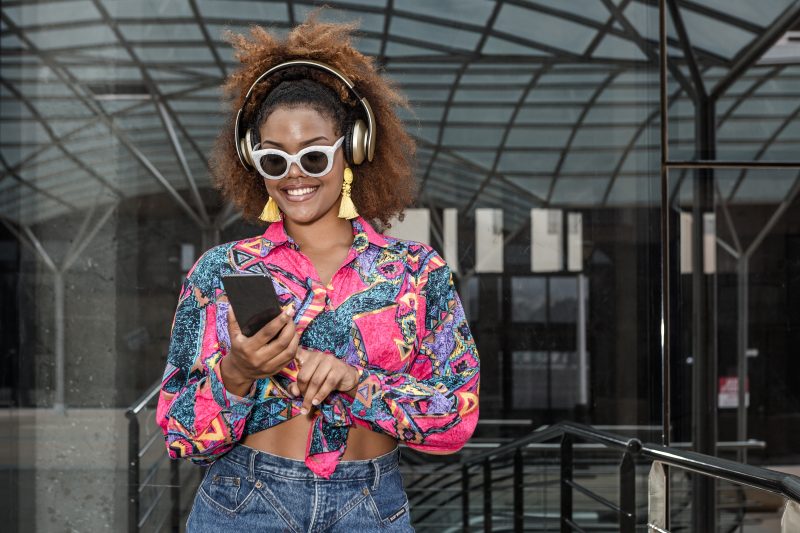
Okay so this whole thing started because I’m basically obsessed with proving that expensive clothes aren’t always worth it, and also because I have trust issues with fashion gatekeepers who act like they can spot a Shein top from across the street. Like, can you really though?
I was at this networking event last month (yes I go to those now, I’m becoming the person I used to make fun of) and this girl who works at a really big fashion brand was like “oh my god your jeans are amazing, are those Agolde?” And I’m wearing literally the most basic straight leg jeans from Target that cost me twenty-eight dollars. Twenty-eight! I was so tempted to lie but instead I told her the truth and she got this weird look on her face like I’d personally offended her.
That’s when I decided I needed to do a proper experiment because this happens to me constantly. People see me posting outfit content and assume everything I wear is expensive, but the reality is I’m working part-time retail and buying most of my clothes from the same places as everyone else. I just style them differently and take good photos.
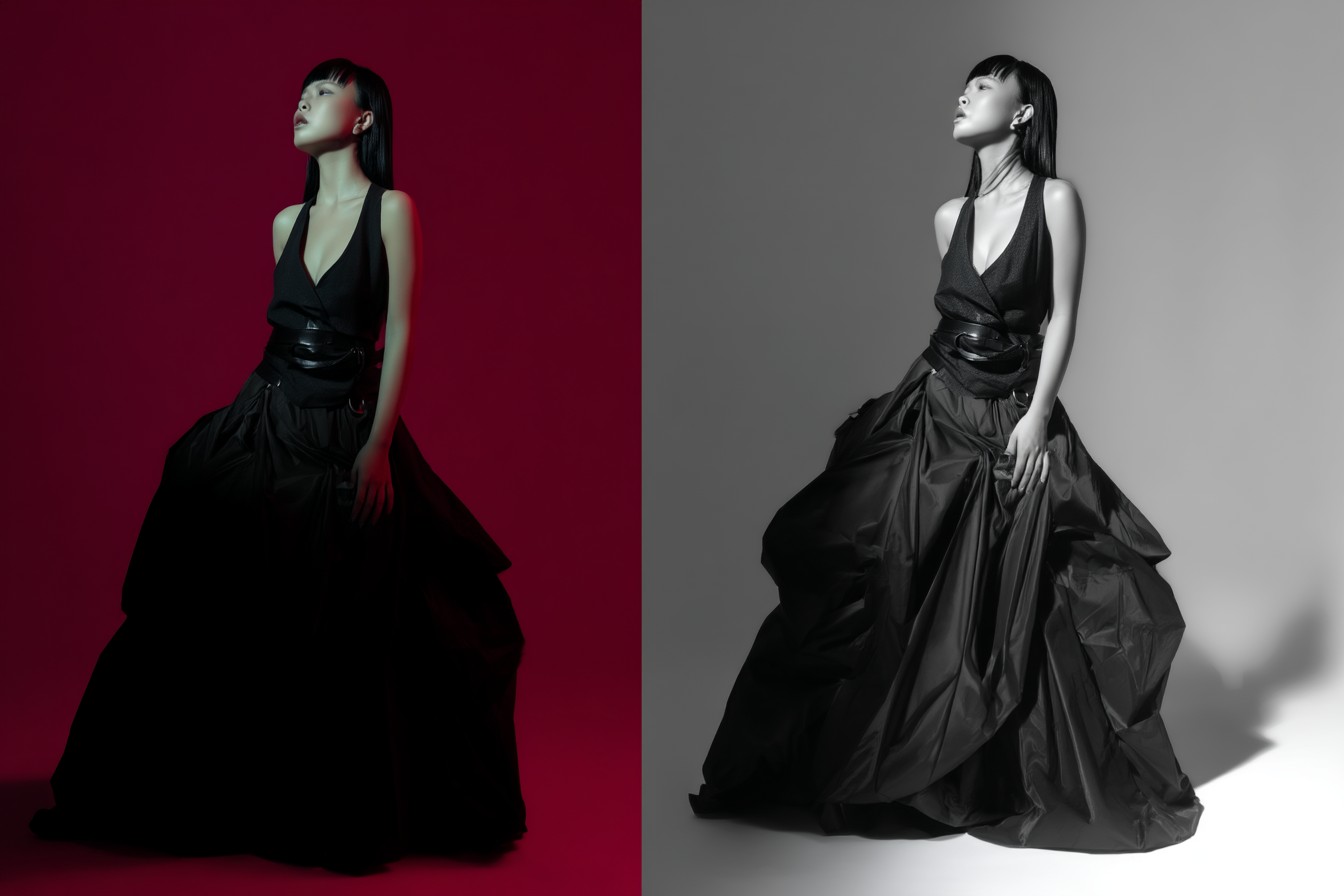
So I came up with this plan that was probably way too extra but whatever, content is content. I would buy identical outfits – one version from Target, H&M, Zara, those kinds of places, and one version from actual expensive brands. Then I’d wear them around Austin and document whether anyone could actually tell the difference.
The rules were pretty simple. Each outfit had to look as similar as possible in terms of cut, color, and vibe. The cheap version couldn’t cost more than like two hundred total. The expensive version had to be full price current season stuff, no sales because that would defeat the purpose. And most importantly, no obvious logos or branding because that’s just cheating.
I picked five different outfit formulas that cover most of my life – work clothes for the boutique, weekend casual, going out looks, athleisure for when I’m pretending to be healthy, and a basic dress situation. Then I spent way too much money and time hunting down pieces that could actually pass as twins despite completely different price points.
My roommate thought I’d lost it. “You’re literally buying the same outfit twice,” she kept saying while I was laying everything out on my bed comparing them. “This is the most neurotic thing you’ve ever done and that’s saying something.”
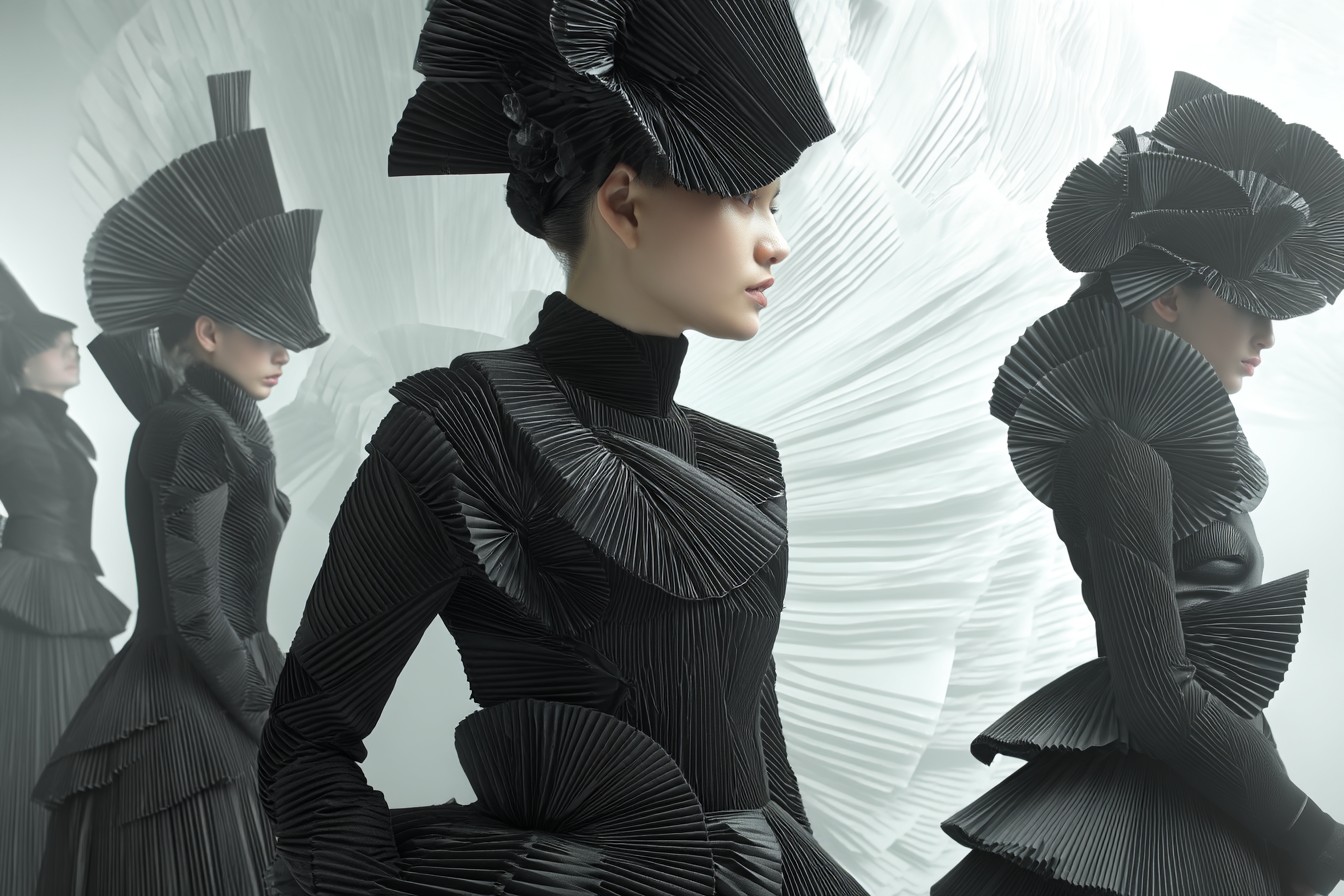
But when I finally had everything together the price differences were honestly shocking. The Target work outfit – black pants, white button up, black loafers – came to one hundred and twelve dollars. The designer version of basically the same exact look was over two thousand. Two thousand dollars! For three pieces of clothing that looked nearly identical hanging next to each other.
The casual weekend look was even more ridiculous. Straight jeans, white tee, oversized cardigan, white sneakers. Budget version: one thirty-four. Designer version: eighteen hundred and ninety. For jeans and a t-shirt! The math doesn’t make sense unless those jeans are literally magic.
Before I started wearing them out I wanted to test whether the differences were actually visible so I had some friends come over for a blind comparison. I hung both versions of each outfit side by side without telling them which was which and asked them to guess.
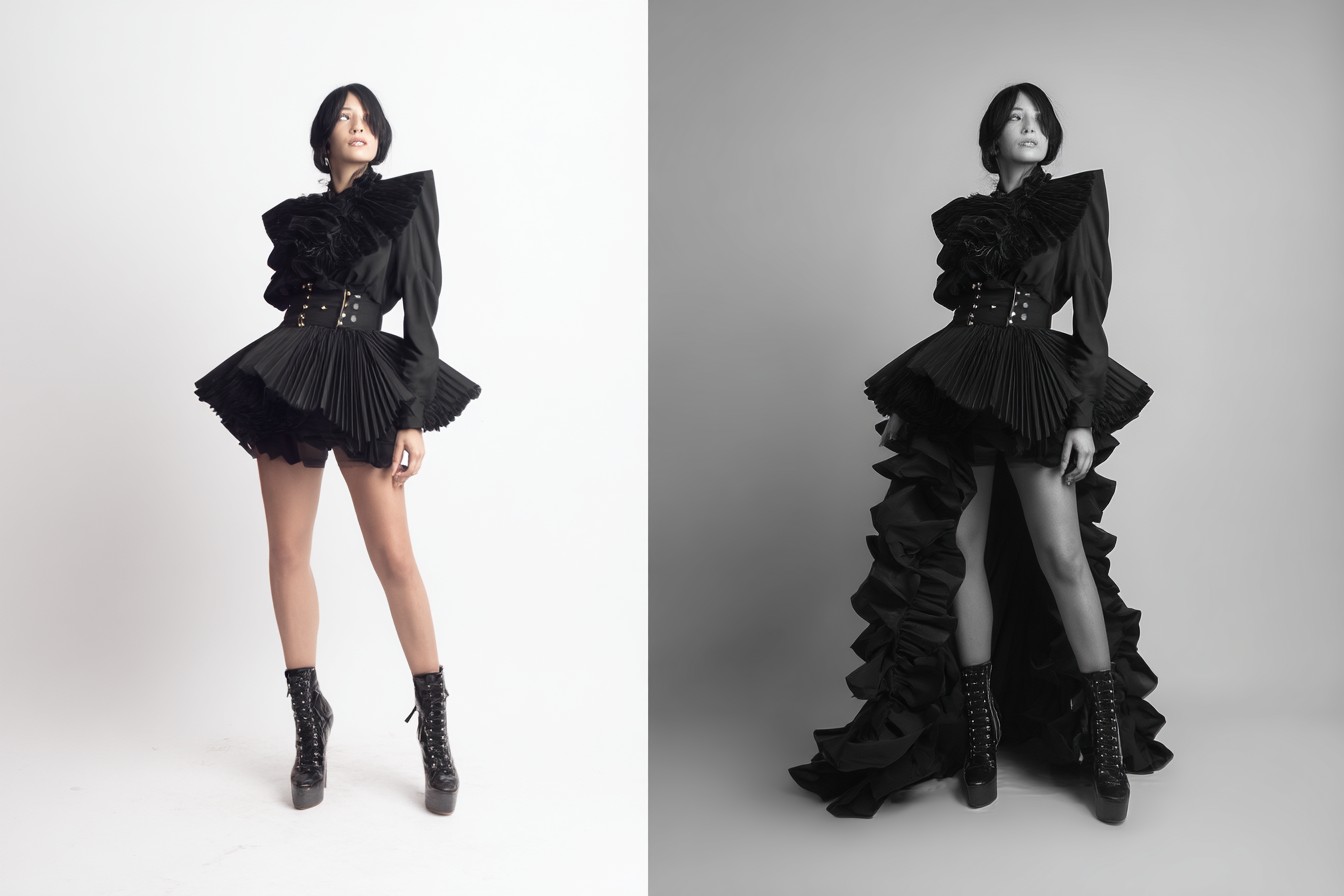
The results were… interesting. My friend Mia who works at Nordstrom got three out of five right, which sounds good until you realize that’s basically a coin flip. My other friend Jake, who literally doesn’t care about fashion at all, somehow got four out of five correct just by guessing which ones “looked more expensive” to him.
“I think it’s in the details,” Mia said, examining the work outfits. “Like how the collar sits and the way the seams are finished.” But then she incorrectly identified the Target sneakers as the expensive ones because they looked “too good to be cheap.” Make it make sense.
The most surprising thing was how differently the outfits felt when I was actually wearing them, even though they looked almost identical. The expensive white button-up fit so much better across my chest and didn’t get wrinkled the second I sat down. The designer jeans kept their shape all day while the cheap ones got baggy and weird by afternoon. The luxury shoes were somehow more comfortable despite being the exact same heel height.
But here’s the thing – all those differences that I could feel as the person wearing them? Basically invisible to everyone else.

I spent two weeks alternating between the budget and designer versions, documenting every reaction and comment. And you guys, the results were wild. The most expensive compliment I got during the entire experiment happened when I was wearing the H&M version of my going-out dress. This influencer I follow stopped me at a coffee shop and was like “that dress is gorgeous, is it Reformation?”
Meanwhile, the only time someone questioned whether I was wearing fast fashion was when I had on the eight-hundred-dollar Japanese denim. Some girl at a party was like “those jeans look exactly like ones I saw at Zara, are they dupes?” They were literally from a brand that makes their jeans in small batches with organic cotton and charges more than I make in a week.
This kept happening over and over. People would assume the cheap stuff was expensive when I wore it to nice events with good accessories and makeup. But when I wore the designer pieces for casual errands looking kind of messy, nobody noticed the quality at all.

The pattern became super obvious after a while. People’s perceptions had way more to do with context and styling than actual garment quality. If I wore budget outfits to work or events, carrying my nice bag and with my hair done, people assumed I was wearing expensive clothes. When I wore designer pieces to run errands looking casual, the quality got completely overlooked.
It’s like that psychology thing where expensive wine tastes better when people think it costs more, even if it’s the same wine. If someone already thinks you have good style, they’ll assume whatever you’re wearing is high-quality regardless of where it actually came from.
This theory got put to the ultimate test when I wore the budget work outfit to a meeting at this fancy PR agency, then changed into the designer version of literally the same outfit for drinks with people from fashion week. Same black pants, same white shirt, same black shoes – just with a two thousand dollar price difference between the two looks.

The PR person complimented my “classic look” but didn’t say anything specific about the clothes themselves. At drinks, wearing basically the same outfit but eighteen times more expensive, this fashion editor immediately said “that shirt fits perfectly, the tailoring is so precise.”
Was the designer shirt actually tailored better? Yes, absolutely. The darts hit at exactly the right spot and the cotton had this subtle shine that the Target version didn’t have. But would she have noticed those details if we weren’t at a fashion industry event where everyone’s primed to look for quality? I honestly don’t think so.
After two weeks of this experiment I had some pretty clear conclusions. Out of literally dozens of interactions, only two people correctly guessed whether I was wearing budget or designer without me telling them. And both of them work in fashion buying so they handle clothes professionally every day.

The expensive clothes were definitely better quality and more comfortable. I tracked how I felt in each outfit on a scale of one to ten and the designer versions scored way higher for physical comfort. Better fabrics, better construction, less weird pulling and bunching throughout the day.
But my confidence levels were basically identical in both versions with one major exception – I felt way more insecure in the budget outfits when I knew I’d be around fashion people. Which is honestly the most disappointing thing I learned about myself during this whole experiment. I have just as much internalized fashion snobbery as everyone else.
Like, I felt perfectly fine wearing a forty-nine dollar dress around my normal friends but slightly fraudulent wearing it to industry events, even though my own experiment proved that most people can’t tell the difference anyway. That’s some serious conditioning right there.

The thing is, after years of creating fashion content I’ve trained my eye to see details that most people don’t notice or care about. I can spot when a seam isn’t straight or when fabric starts losing its shape after a few hours. But my experiment showed that this skill is kind of like being able to identify every Marvel easter egg – interesting if you’re into that stuff, completely irrelevant if you’re not.
So what did I actually learn from buying the same outfit twice at completely different price points?
First, expensive clothes really are better made and more comfortable. Not exactly breaking news but the difference was way more noticeable to me wearing them than to anyone looking at me.
Second, styling and context matter so much more than price. A well-chosen budget piece worn confidently with the right accessories will beat an expensive piece thrown together carelessly every single time.

Third, most people really cannot tell the difference between price points when you put effort into finding budget pieces that match the cut and color of designer items. The gap is getting smaller too as trends move from runway to mass market faster than ever.
This doesn’t mean designer clothes aren’t worth it – they often are, especially for pieces you wear constantly or special occasions when details actually matter. My expensive jeans have held up perfectly for over a year while I can already tell the Target pair won’t last six months. Quality has its own economy over time.
But the idea that people can instantly spot cheap clothes on someone who knows how to dress? Mostly a myth, at least based on my very unscientific but entertaining experiment.

I keep thinking about that girl at the networking event who immediately knew my jeans were Target after I told her. Was she actually seeing some obvious quality issue that screamed “fast fashion”? Or was she just making an educated guess based on knowing that most people our age mix expensive investment pieces with affordable basics because that’s literally the only way to dress well on a normal budget?
Honestly, I think it was the latter. And instead of feeling like I got caught being fake, I should probably feel proud that I can select budget pieces good enough to fool people into thinking they’re designer.
The real luxury isn’t having an entirely expensive wardrobe – it’s having the eye and confidence to create good looks regardless of price point. And that’s something you can’t actually buy, which is pretty ironic when you think about it.

Now if you’ll excuse me I need to return half of these experimental purchases before my credit card company calls to check if someone stole my card. Though I’m definitely keeping those Target sneakers that fooled literally everyone – they’re way more comfortable than they have any right to be for thirty-two dollars.


Brooklyn’s a 24-year-old content creator from Austin who lives where fashion meets TikTok. She covers Gen Z trends, viral styles, and the messy reality of making fashion content for a living. Expect energy, honesty, and unapologetic fun.