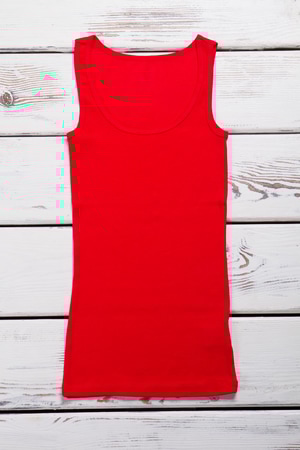
Basic vests are those foundational items of clothing whose main purpose is to provide a layering base. As such, they are not attempting to convey messages or attract attention — they simply exist to provide the structural support for layering. A good basic vest is literally “invisible” when worn correctly, which is precisely the point. This simple utility is what provides true value to the vest.
I have found that the type of fabric used for basic vests has much greater importance than the price. I find that basic vests made from solid opaque materials work much better than those made from thin or transparent materials. The total function of the vest is to become “invisible,” therefore the fabric must provide some level of real opacity without bulk. The basic vests shown here are all made from fabric types that actually function as infrastructure.
The shoulder area fit is critical. I find that basic vests are most functional when they contain proper shoulder seams placed at the anatomically correct location. Poor shoulder fit produces visible awkwardness, whereas proper fit causes the vest to totally disappear under other layers. The basic vests shown here were built with proper consideration for shoulder placement.
Basic vests need to be constructed to a length that is proportional. I find that vests that fall approximately at hip-length work most versatility as an intermediate layer because they layer smoothly over most bottoms without producing visible bulge at the waistline. Short vests look like crops; long vests may interfere with trouser or skirt fit. The basic vests shown here have a length that falls into the completely invisible zone.
A proper neckline on a basic vest is essential. I find that necklines must be low enough to produce no visible line when layered, yet high enough to provide sufficient coverage. I find that necklines that are properly proportioned (i.e., so that they are completely invisible under other layers) work best. Necklines that are too high will cause visible collar lines, while necklines that are too low will provide insufficient coverage. All the basic vests shown here have necklines that are proportionate to provide true invisibility.
Proper armhole design is also critical. I find that vests with armholes that are located directly at your shoulder point will permit you to layer them underneath almost any style of top without causing visible bunching or lines. Each of the basic vests shown here was designed with armhole precision in mind.
I find that the colour of the fabric used for basic vests is also important for their role as infrastructure. I find that basic vests made in neutral colours (e.g. white, black, beige/nude) work best across the board because they are completely invisible when layered. Each of the basic vests shown here is available in neutral colours.
What I like most about basic vests is their utter clarity of intent. They are attempting to be nothing more than invisible base layer pieces. You put on a vest and immediately you have a smooth base to layer whatever you are wearing on top. That unadorned utility is genuinely valuable, regardless of its simplicity.
The manner of seam construction impacts both the longevity of the vest and its ability to remain invisible. I find that vests that contain reinforced seams will endure through legitimate wearing and repeated washing without exhibiting visible stress lines. Each of the basic vests shown here was designed with both durability and invisibility in mind.
I find that the type of fabric used in basic vests affects both the vest’s ability to provide opacity and how long the vest will actually last. I find that basic vests that are constructed from quality cotton or cotton blends retain their shape and remain opaque after repeated wearings, longer than vests made entirely from synthetic materials. Each of the basic vests shown here was designed using fabrics that will perform as intended as infrastructure.
When constructing a basic vest, the entire structure should appear to be completely invisible when wearing other layers. I find that basic vests that have been constructed with care will essentially disappear under layering, which is the entire idea. Each of the basic vests shown here was designed with invisibility as the primary objective.
In terms of practical use, I find that the vest’s ability to withstand regular washing without losing either opacity or shape adds significant value. Each of the basic vests shown here has been chosen based on practicality of care.
The vest should fit snugly through the torso without being either too tight or too loose. I find that vests that fit tightly against the wearer’s body without producing visible lines or voids work best as base layer pieces. Each of the basic vests shown here has been designed with fitting consideration for invisibility.
The edges of the vest should fit properly and do not create visible lines. I find that vests that have edges that are properly situated so that they are completely hidden by other layers are of the greatest value. Each of the basic vests shown here has been designed with precision regarding edge placement.
Finally, I believe that the vest should provide complete opacity. I find that vests that contain sufficient fabric weight to provide complete opacity are the most functional as base layer pieces. Each of the basic vests shown here has been created with fabric weights that will provide complete opacity.

