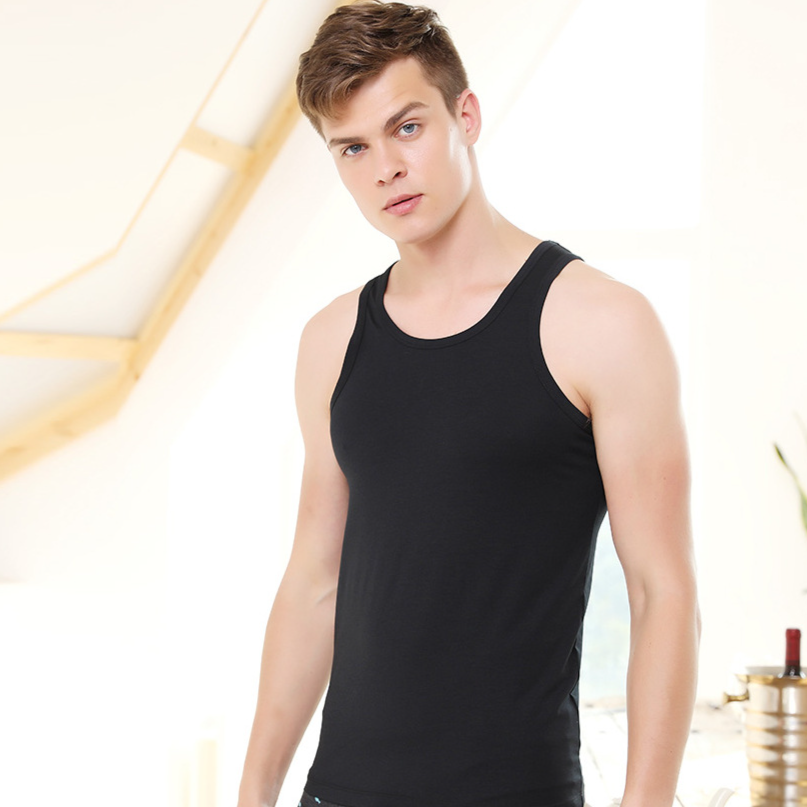
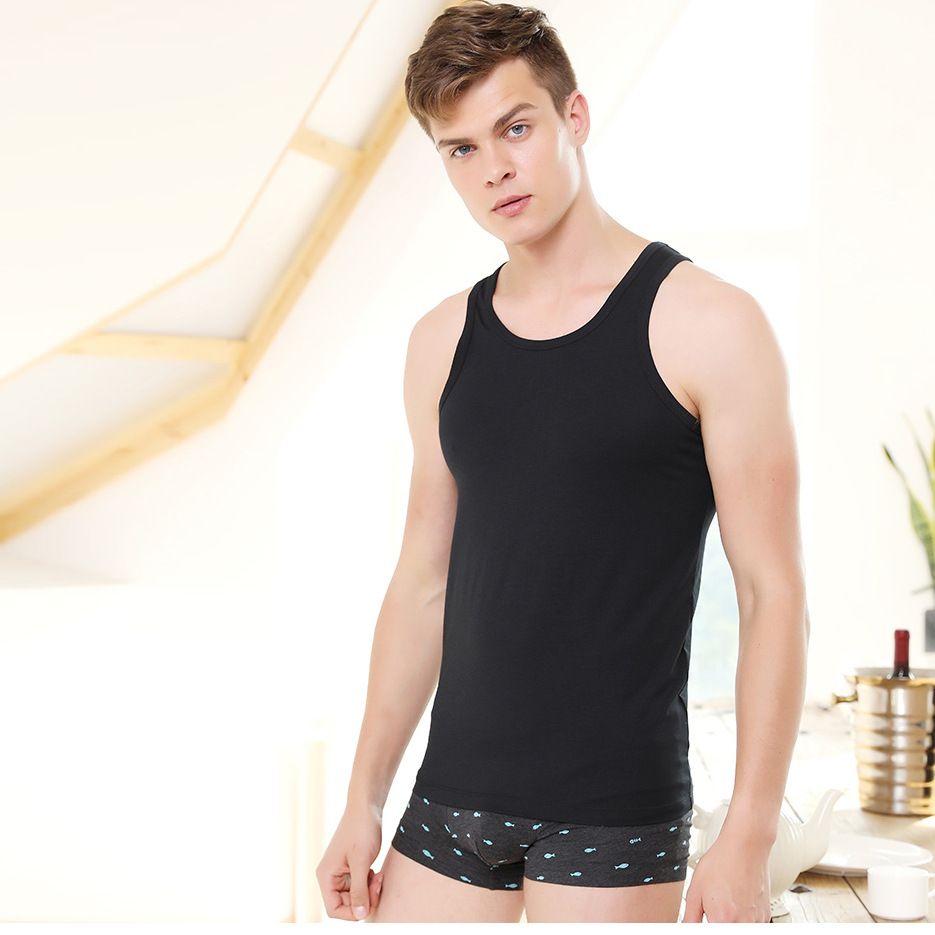
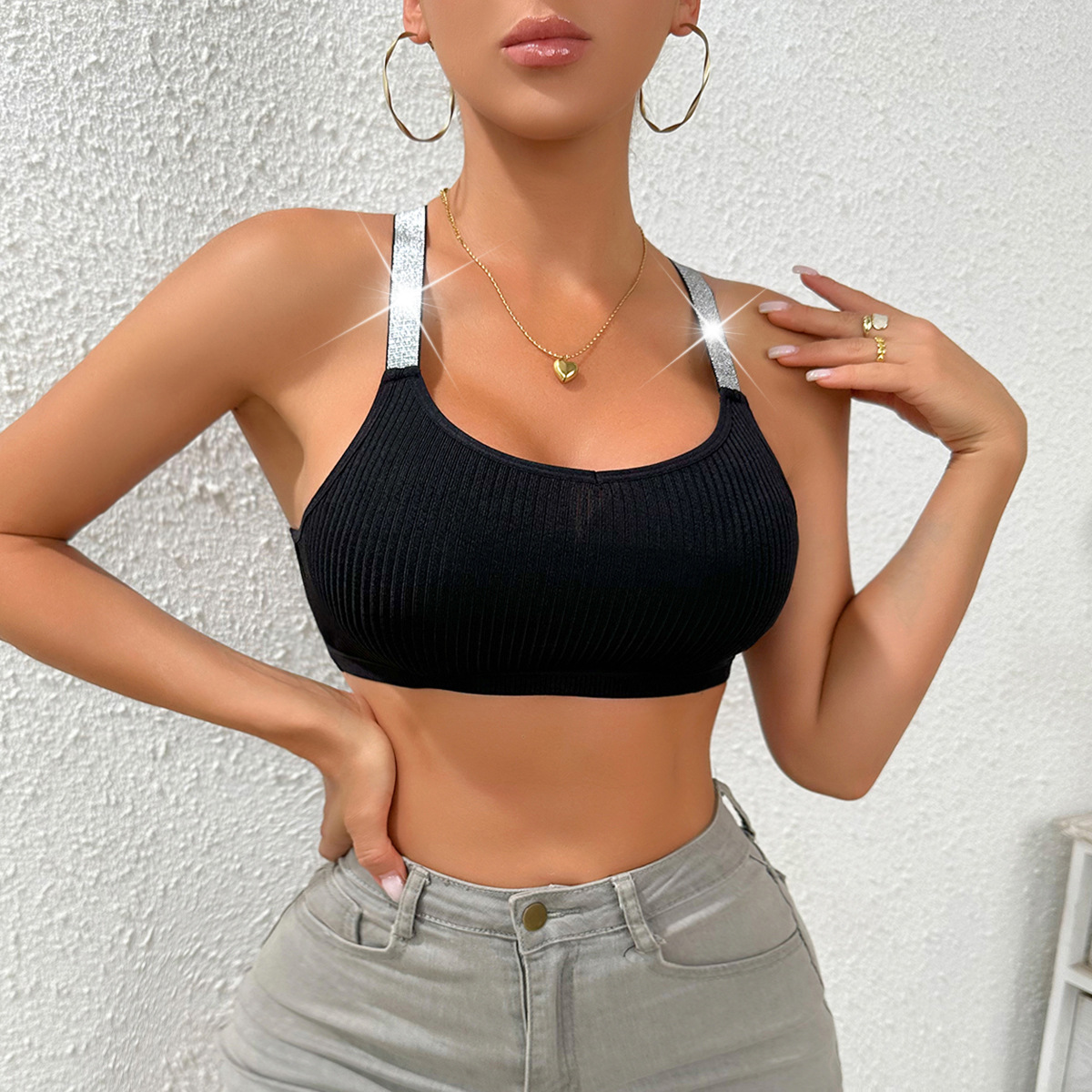
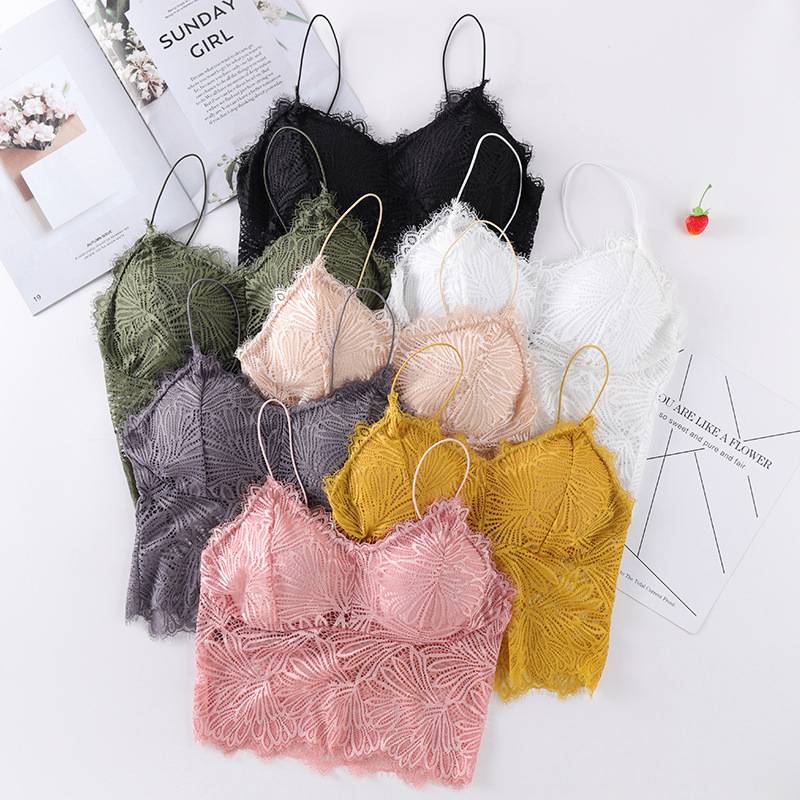
Knitted vests are one of those pieces that genuinely transforms how you can layer. They’re not trying to be standalone pieces or make statements—they’re just providing structured layering that adds proportion and warmth without bulk. A good knitted vest is the piece you reach for when you need another layer but don’t want the commitment of a full jumper or cardigan.
What I’ve learned about knitted vests is that the fit through the shoulders is absolutely crucial. I find that vests work best when they sit properly without pulling or bunching. Proper shoulder seams mean the vest works correctly over whatever you’re wearing underneath and allows proper layering on top. The knitted vests here have been constructed with genuine attention to shoulder fit and armhole depth.
The length of the vest matters significantly for layering. I find that vests hitting around hip-length work most versatilely because they layer smoothly under other pieces without creating awkward bulk at the waist. Very short vests read as crop styles, while very long vests can interfere with outer layer fit. The knitted vests here hit that practical length where they function as infrastructure.
The neckline needs to work with whatever you’re layering over or under. I find that crew necks work most universally because they don’t create styling decisions or visual confusion. Complicated necklines just get in the way of actual layering function. The knitted vests here use straightforward necklines that work practically.
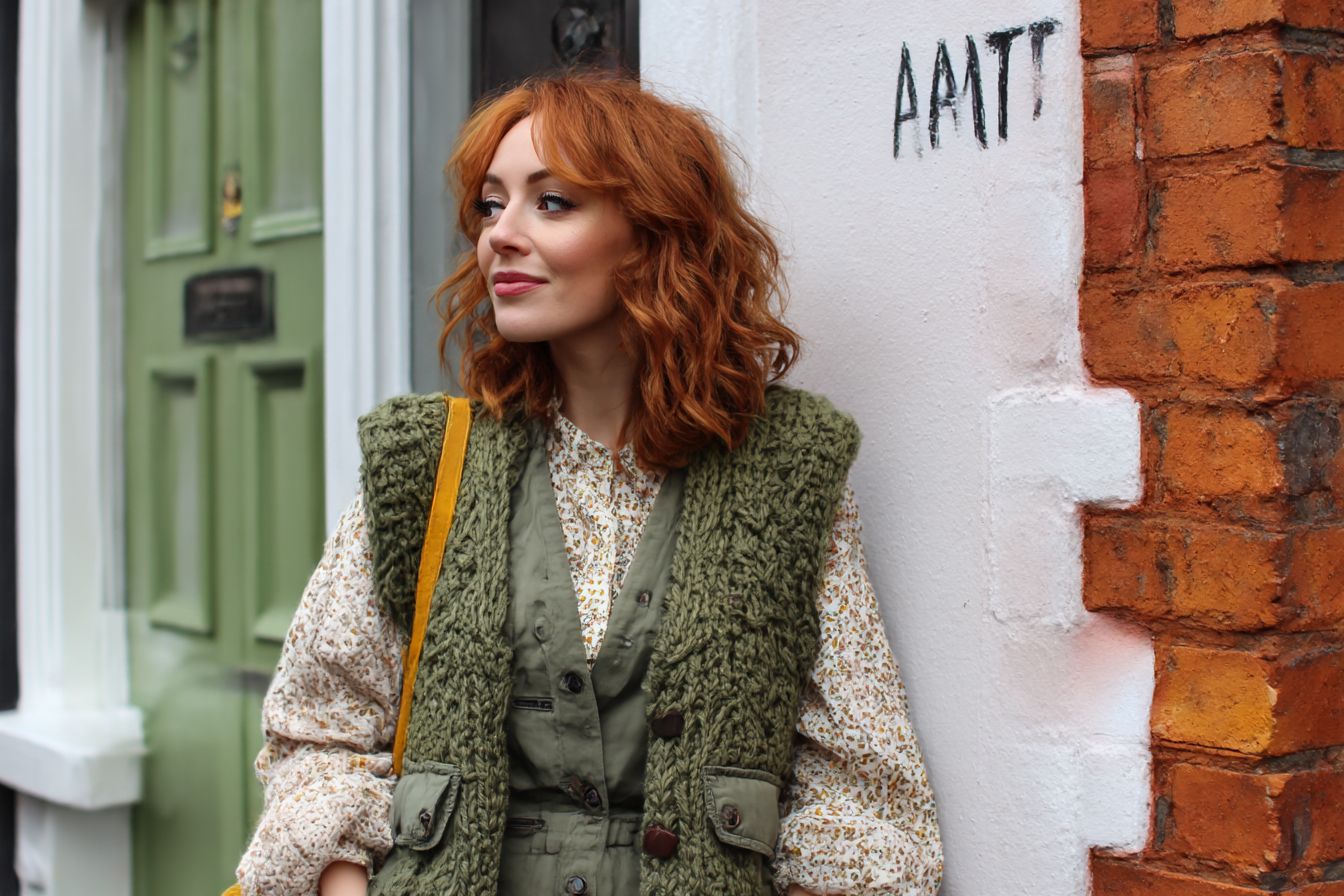
Armhole proportioning is everything. I find that vests with properly proportioned armholes allow comfortable layering without creating visible bunching under other pieces. Armholes that are too tight create discomfort, while armholes that are too loose allow baggy layering. The knitted vests here have been designed with layering comfort in mind.
Fabric weight determines how the vest functions as a layering piece. I find that medium-weight knits work best because they provide genuine warmth and structure without excessive bulk. Lightweight knits feel insubstantial, while heavy knits defeat the purpose of vests as layering pieces. The knitted vests here use weights that maximize practical layering.
Colour choice affects versatility dramatically. I find myself drawn to neutral knitted vests—navy, black, grey, cream—because they work under essentially anything else. Coloured or patterned vests are more limiting because they become design choices. The knitted vests here prioritize versatility through neutral selection.
What I appreciate most about knitted vests is their absolute clarity of purpose. They’re not trying to be anything other than layering infrastructure. You put on a knitted vest and suddenly layering becomes structured and proportional. That straightforward functionality is genuinely valuable.
Seam construction affects durability. I find that knitted vests with reinforced seams and quality stitching hold up better through genuine wearing and repeated washing. The knitted vests here have been constructed with attention to longevity.
Fabric composition affects both comfort and durability. I find that vests made from quality cotton blends or wool blends hold their shape better through repeated wearing than pure synthetics. The knitted vests here use fabrics that wear well and age gracefully.
The overall structure should feel solid and purposeful. I find that well-made knitted vests have weight and presence that cheap versions miss. The knitted vests here have been constructed with genuine attention to quality.
Care requirements matter for practical wearing. I find that knitted vests that can handle regular washing without losing shape or stretching are genuinely more valuable. The knitted vests here have been selected with practical care in mind.
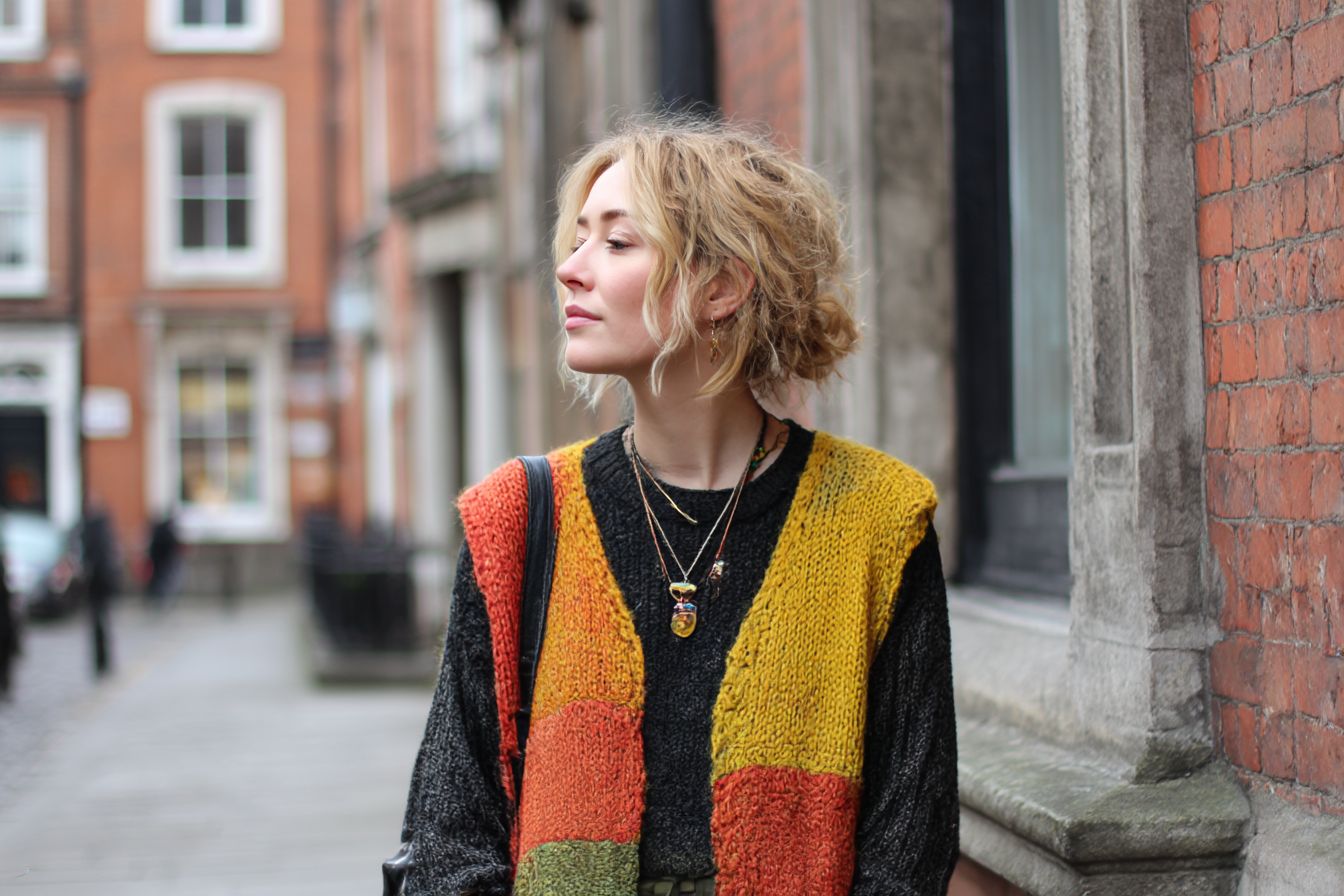
Fit through the torso should be neither too tight nor too loose. I find that vests that provide enough room for comfortable layering without looking shapeless work better. The knitted vests here have been designed with proportional consideration for layering purposes.
The rib structure at the edges needs to maintain integrity. I find that properly constructed ribs that hold their tension through wearing and washing are genuinely valuable. The knitted vests here have ribs that maintain their intended shape.
Breathability matters when layering. I find that knitted vests made from breathable fabrics are more comfortable to wear as middle layers. The knitted vests here use fabrics that allow air circulation while providing warmth.