V-neck jumpers are one of those pieces where the silhouette actually matters more than most people realize. They’re not just a different neckline option—they fundamentally change how a jumper functions on your body and how it works with the rest of your wardrobe. A good v-neck jumper creates proportion and flattery without requiring any styling knowledge or body-awareness. It just does the work for you through intelligent design.
What I’ve learned about v-neck jumpers is that the depth of the v genuinely matters for how universally flattering the piece actually is. I find that moderate v-necks work best because they create proportion without being so deep they read as overtly styled or create exposure concerns. Shallow v-necks barely qualify as v-necks and offer little proportional advantage, while very deep v-necks limit versatility and can read as too formal or too fashion-forward depending on context. The v-neck jumpers here hit that practical middle ground.
The width of the neckline affects how the v-neck actually sits on your shoulders and collarbone. I find that properly proportioned v-necks create clean lines without gaps or pulling. The neckline should skim the collarbone rather than either creating a chokehold or leaving awkward space. That seems like a basic detail but it dramatically affects comfort and how the jumper reads on your body. The v-neck jumpers here have necklines that actually work with real bodies.
Fabric weight determines seasonality and how the neckline actually behaves. I find that medium-weight jumpers work best for v-necks because they hold the neckline shape without creating slouch or distortion. Lightweight jumpers can get pulled out of shape through repeated wearing, while heavy-weight jumpers often just don’t work well with v-necklines. The v-neck jumpers here use weights that maintain their intended silhouette through actual wearing.
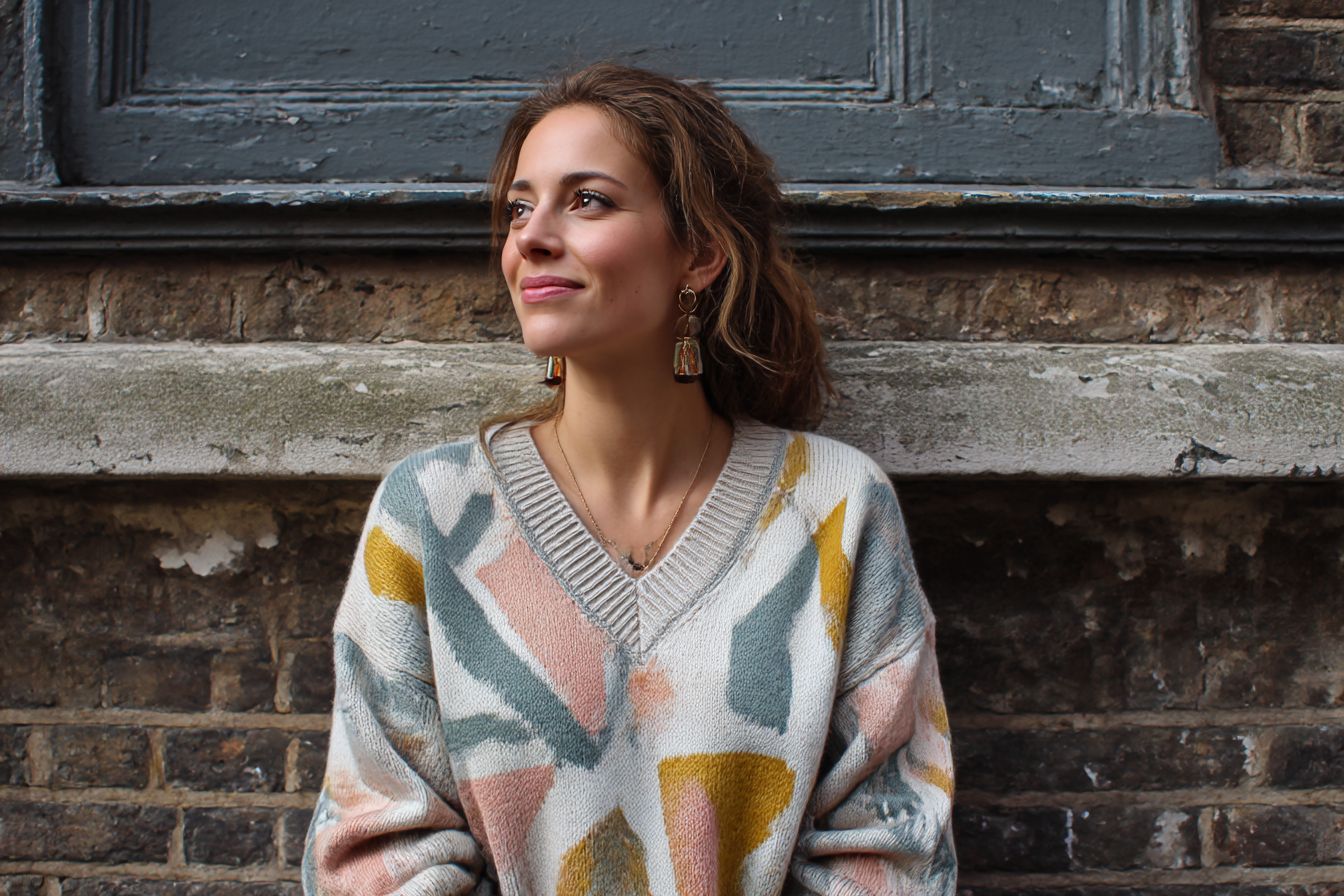
The rib structure at the neckline is crucial for maintaining shape. I find that properly constructed v-neck ribs that hold their tension mean the neckline stays defined through seasons of wear and washing. Poorly constructed ribs stretch and distort, turning a flattering v-neck into a sloppy mess within months. The v-neck jumpers here have been constructed with genuine attention to neckline integrity.
Length matters for how the v-neck jumper works with different body types and bottoms. I find that jumpers hitting around hip-length work most versatilely because they work over most bottoms without creating awkward proportioning. Crop length can work but it’s less universally flattering, particularly if you have a longer torso. The v-neck jumpers here hit that practical middle ground where they’re genuinely flattering across body types.
Colour choice affects both versatility and how the neckline actually draws attention. I find myself drawn to neutral v-neck jumpers because they work with almost everything else in a wardrobe while allowing the neckline to be a flattering detail rather than a statement. Coloured v-necks can be fun but they’re immediately more limiting because they become style choices. The v-neck jumpers here prioritize that practical versatility.
What I appreciate most about v-neck jumpers is how they create proportion without requiring any effort. You put on a v-neck jumper and you immediately look more intentional and put-together. That’s not about vanity—it’s just about how the silhouette creates natural flattery through intelligent proportioning. That combination of ease and genuine flattery makes v-neck jumpers genuinely valuable pieces.
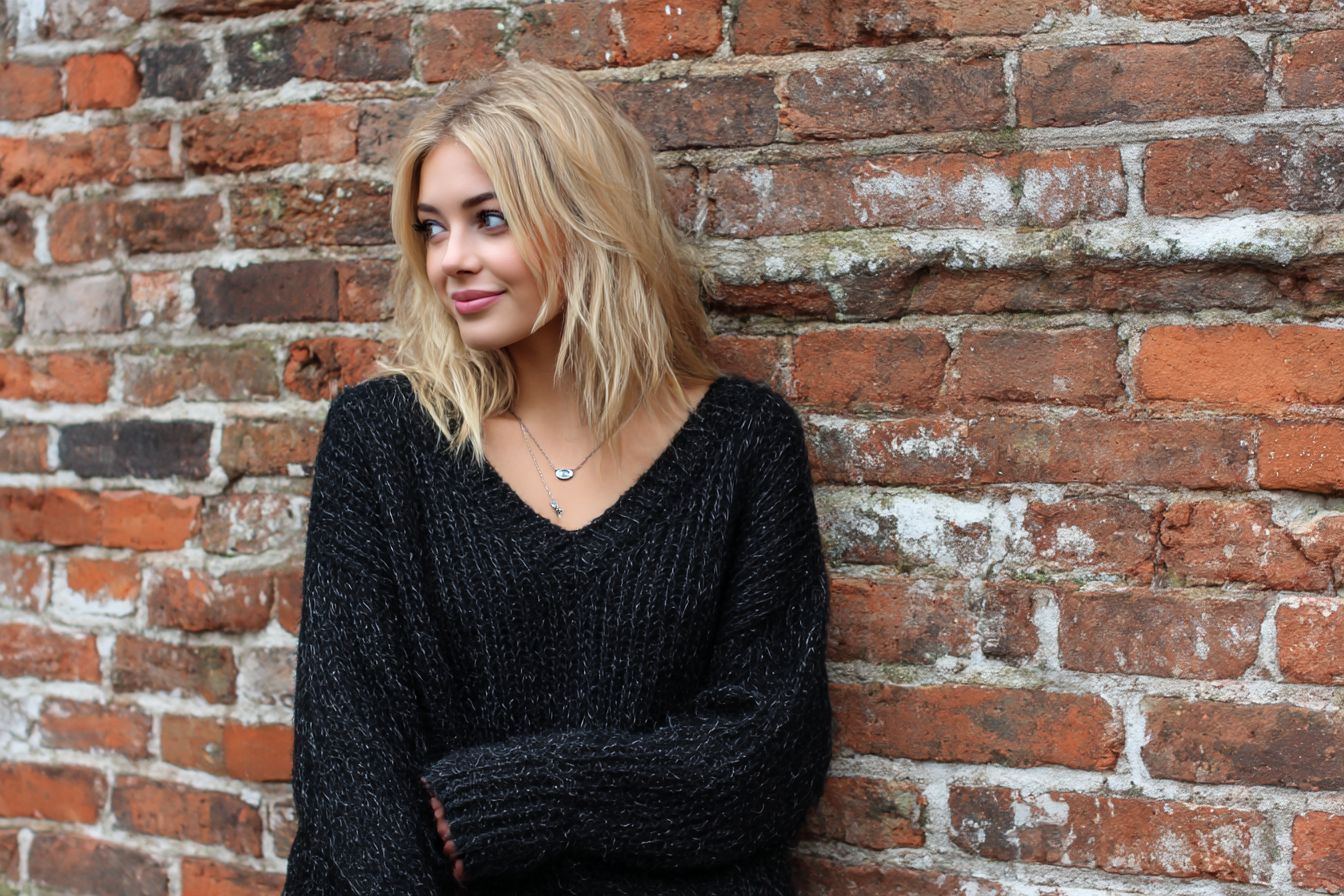
Sleeve length is important for overall proportion and how the jumper works with layering. I find that standard sleeve length works most often, hitting at the wrist bone and creating clean proportions with the v-neckline. The v-neck jumpers here use sleeve lengths that work properly rather than expecting everyone to fit a single standard.
Layering compatibility is important when you’re thinking about how often you’ll actually wear the piece. I find that v-neck jumpers work beautifully over simple tees, creating layers of proportion that look intentional. They work over collared shirts for slightly dressier situations. They work as standalone pieces on cooler evenings. That versatility is genuinely valuable.
Fabric composition matters for both comfort and longevity. I find that jumpers made from wool blends or natural fibres hold their shape better and age more gracefully than pure synthetics. The v-neck jumpers here are made from fabrics that genuinely improve with wearing rather than immediately showing wear or degrading.