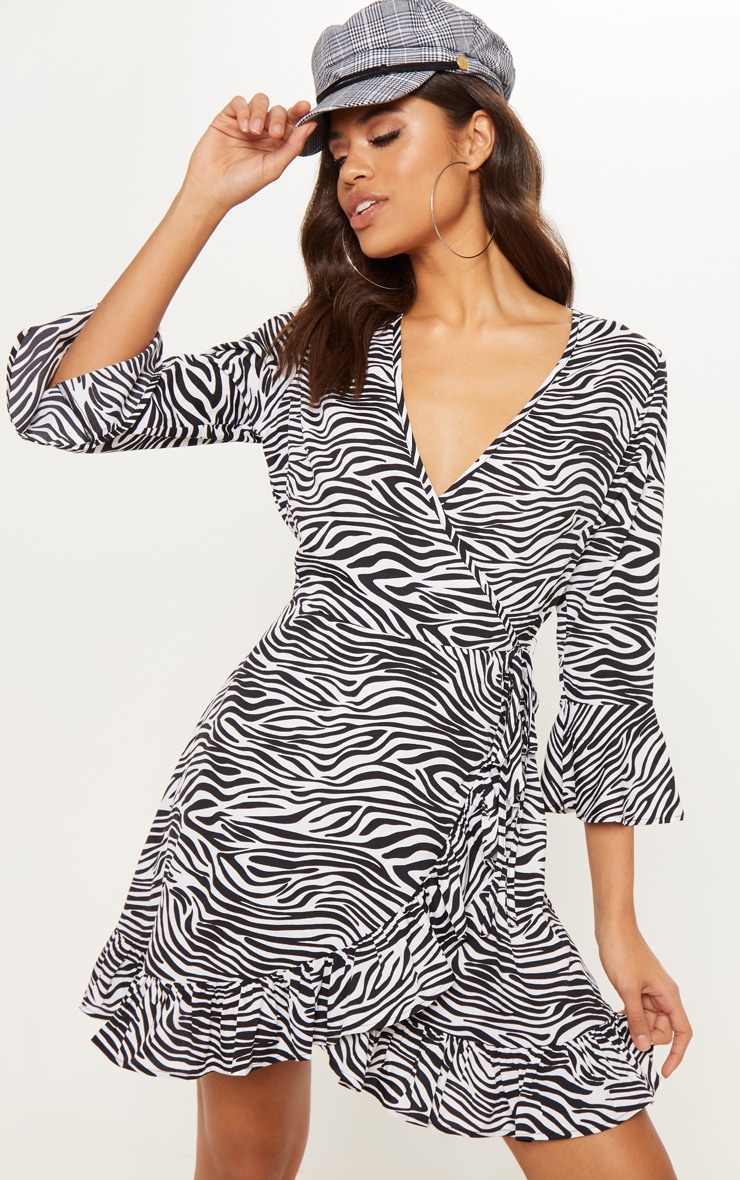
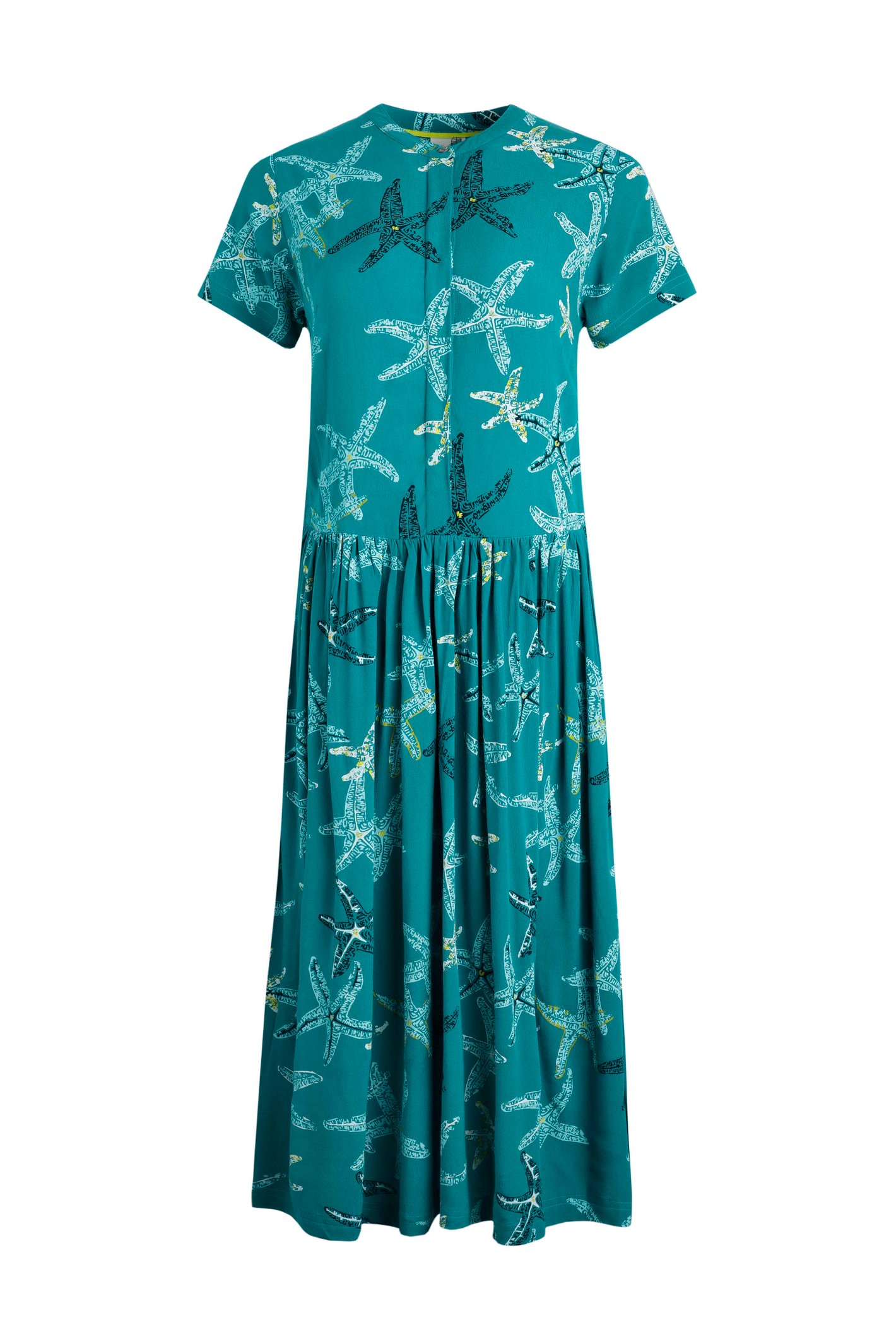
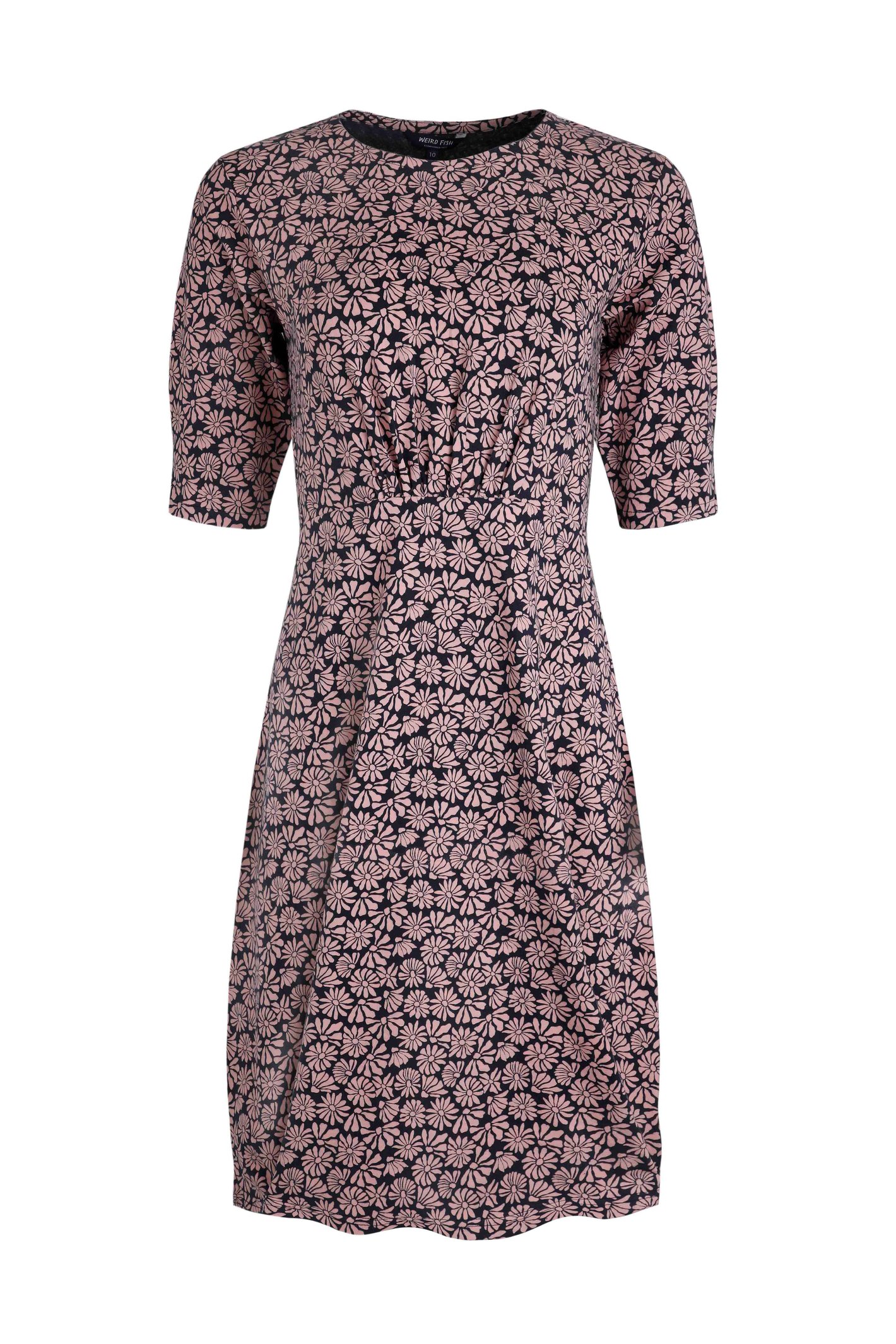
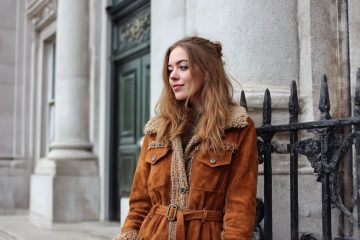
Tea dresses occupy a strange middle ground in wardrobes. They’re not quite formal enough to feel special, yet they’re too deliberate to be casual. Or at least, that’s what I assumed until I actually started wearing them properly. The reality is that a good tea dress functions as one of those invisible pieces that work harder than anything flashier in your wardrobe.
What appeals to me about tea dresses at this price point is their absolute practicality dressed up as charm. They’re cut generously enough to be comfortable but shaped enough to look intentional. They move well through a day without feeling baggy or requiring constant adjustment. The modest necklines and sleeve lengths mean they work across seasons and situations—layered under jumpers in cooler months, standalone in summer.
The vintage associations help, I think. There’s an inherent restraint in the tea dress silhouette that stops it from trying too hard. The focus is on simplicity and proportion rather than detail or embellishment. At under £30, that’s exactly what you want—pieces that don’t attempt unnecessary features and instead nail the fundamentals.
I find myself wearing tea dresses for situations where I want to look like I’ve made an effort without actually having made much effort. A garden gathering. A work occasion that’s more relaxed than formal. Weekend brunches where you want to feel slightly elevated from everyday wear but not uncomfortable. They’re genuinely useful pieces that work precisely because they’re not trying to be versatile—they’re just consistently appropriate.
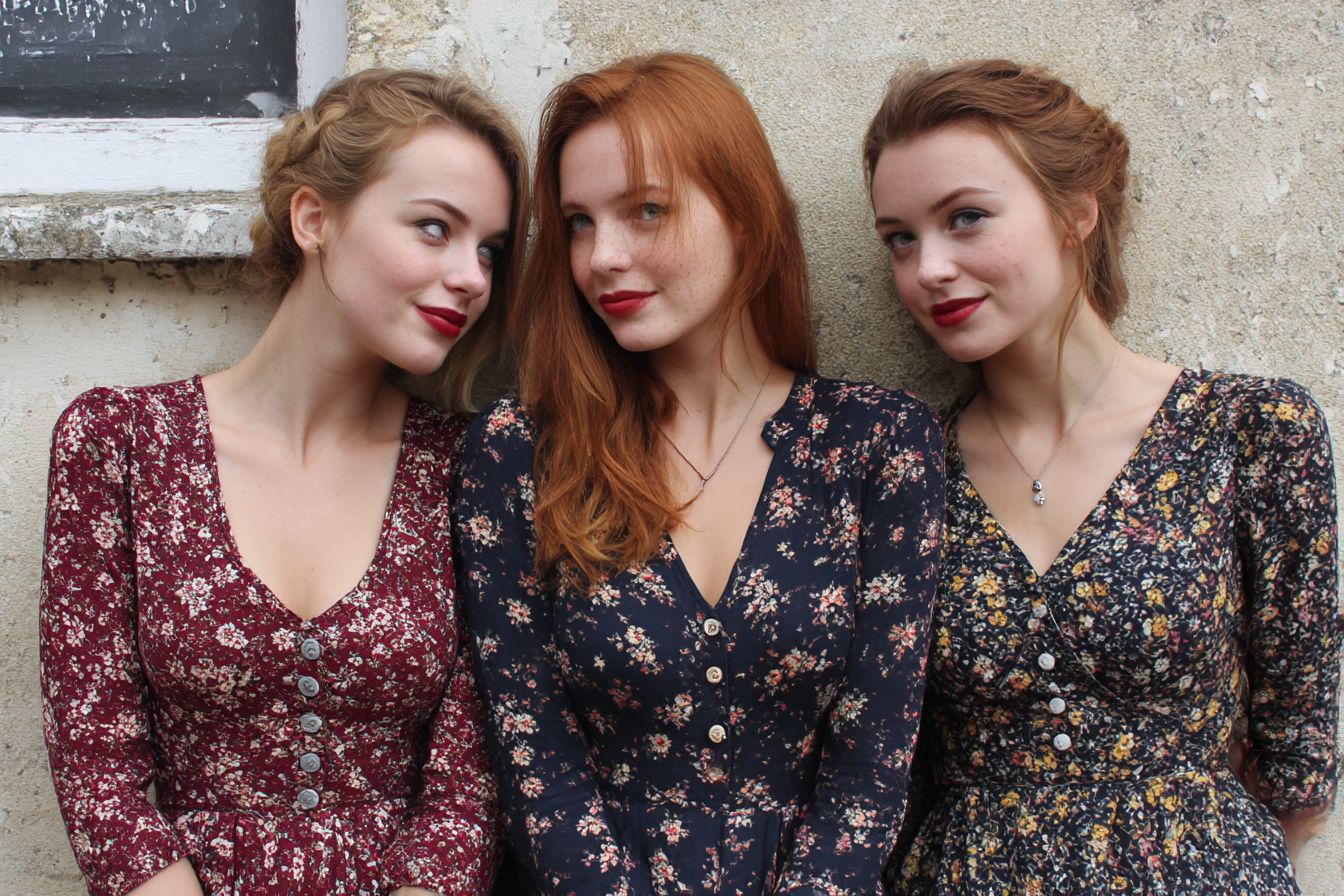
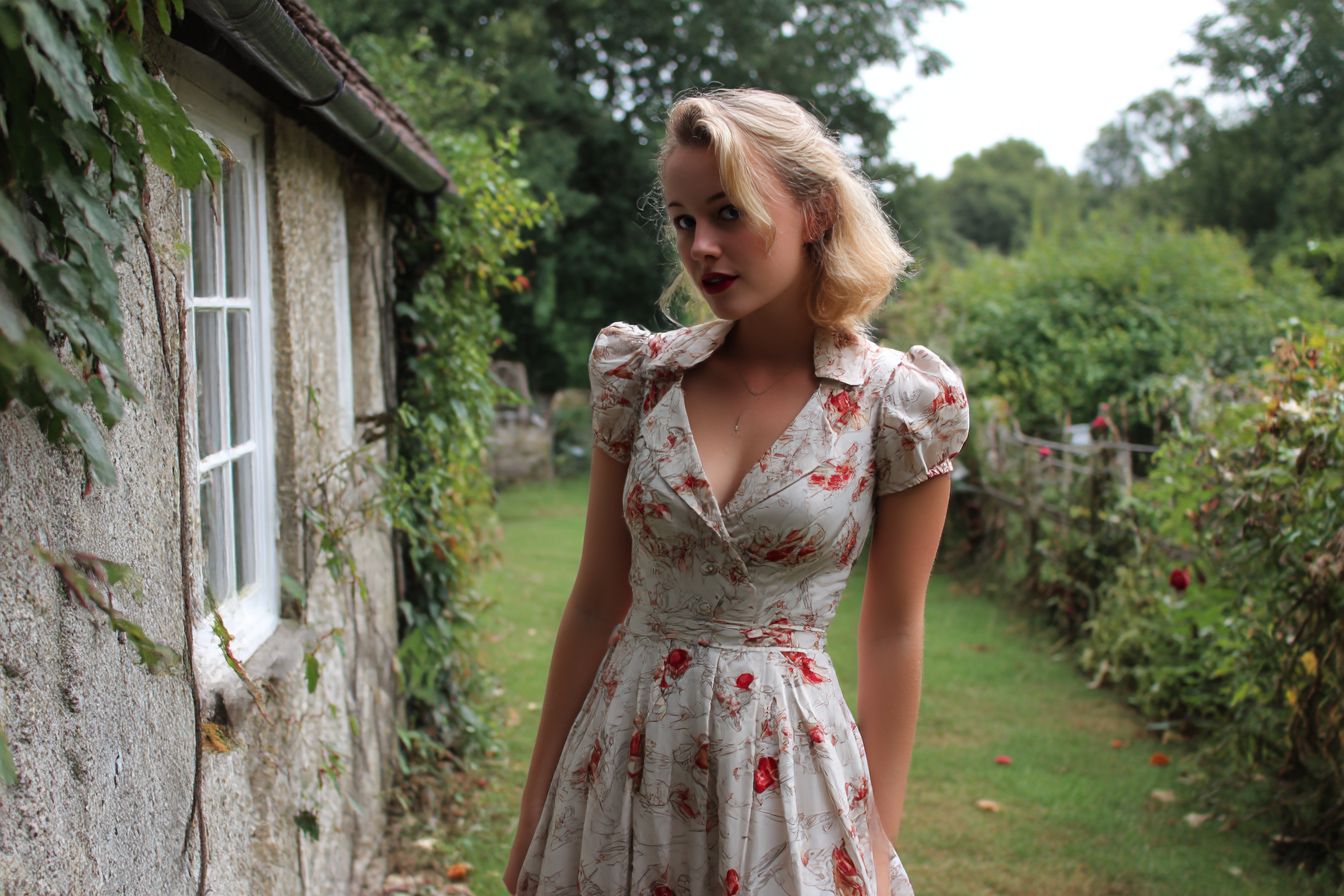
The fabric matters here more than the cut. These dresses work best in substantial cotton blends rather than lightweight synthetics. I notice the difference immediately in how they hang and move. At this price point, you’re not getting luxury fabrics, but you can get fabric weights that feel purposeful rather than thin or flimsy.
What I appreciate most is how utterly unselfconscious they are. Tea dresses don’t ask questions or demand styling energy. They’re genuinely just there to be worn, which is probably why they’ve endured for so long despite changing fashions.