Got an email from my editor last Tuesday that made me literally snort-laugh on the MAX Blue Line. “Can you write about professional workwear for commuters? You know, practical office clothes for public transit users.” I’m sitting there wedged between someone’s enormous backpack and a dude eating what smelled like fish tacos at 8 AM, watching my carefully chosen button-down shirt develop wrinkles in real time as the train lurched around curves like it was auditioning for a demolition derby.

Look, I’ve been taking Portland’s TriMet system to work for three years now, and let me tell you something – public transit is basically designed to destroy anything that looks remotely professional. Between the mysterious sticky spots on seats, the aggressive air conditioning that’s either arctic or completely broken, and the sudden stops that send you flying into strangers, getting to work looking like a functioning adult is honestly an achievement.
When I first started my job at the design agency, I had all these Pinterest-worthy ideas about what my work wardrobe would look like. Crisp white shirts! Perfectly pressed trousers! Structured blazers! Yeah, that lasted exactly one week before reality hit me like a delayed bus in rush hour traffic. My beautiful cotton shirts looked like I’d slept in them by the time I walked into the office, and don’t even get me started on what happened to my dry-clean-only blazer during a particularly aggressive commute involving three transfer delays and someone’s spilled kombucha.
The thing nobody tells you about commuter-friendly workwear is that everything you learned about “quality natural fibers” goes out the window when you’re dealing with real-world transit situations. I love cotton and linen as much as the next design nerd, but pure cotton shirts are basically wrinkle magnets, and linen… well, linen looks rumpled when you take it off the hanger, so imagine what 45 minutes on a crowded train does to it.
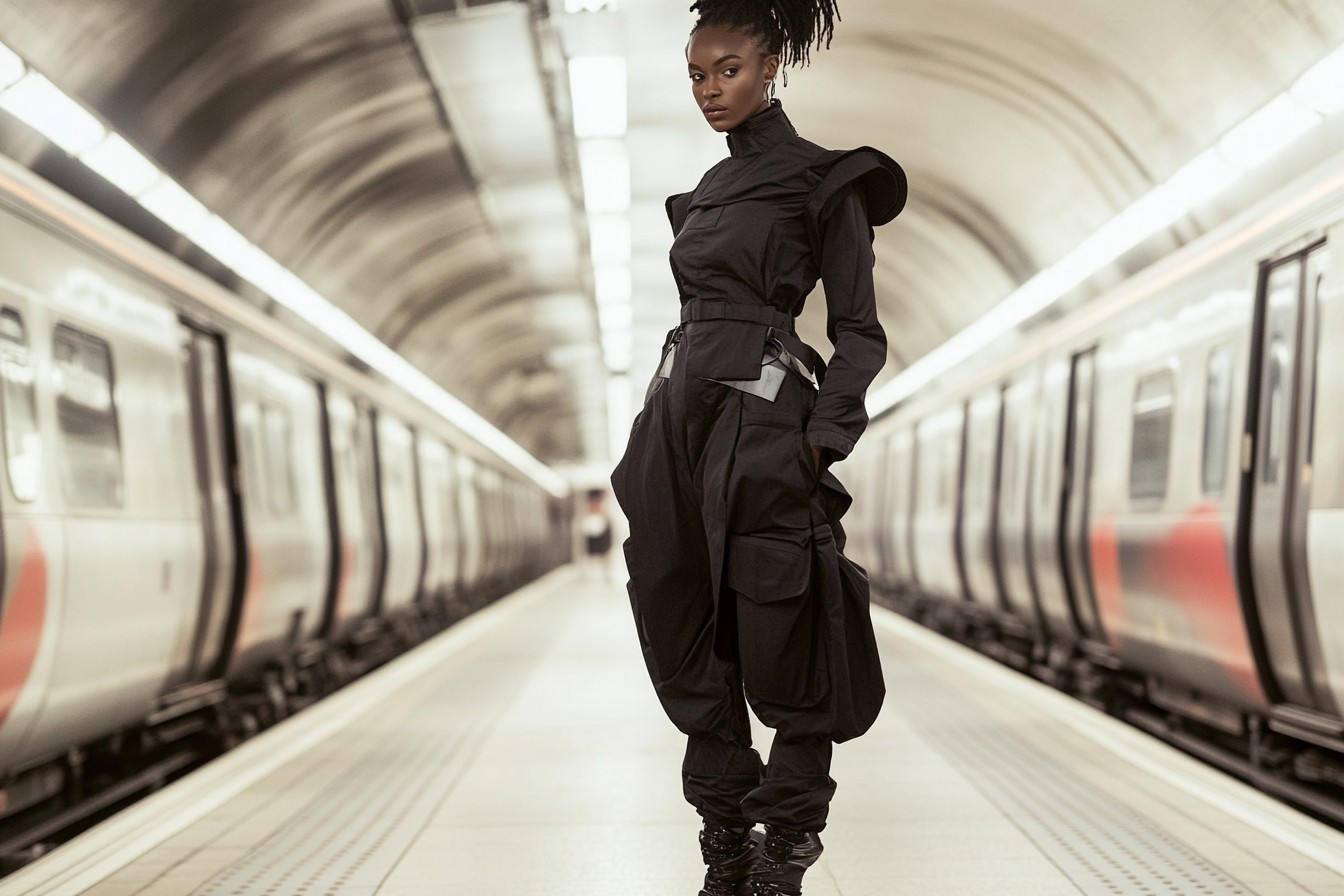
I hate admitting this because it goes against everything I believed about sustainable fashion, but synthetic blends have saved my professional life. Not full-on polyester because that’s a sweat trap waiting to happen, especially during Portland’s surprise heat waves when the MAX trains turn into mobile saunas. But strategic blends with like 5-10% elastane or polyester? Game changers.
My current holy grail pants are from COS – they’re mostly wool but have just enough stretch that when I’m standing for twenty minutes because the train’s packed beyond capacity, they don’t bag out at the knees or develop those weird creases that make you look like you’ve been folded in half. They’re these wide-leg pleated styles that somehow look intentionally relaxed rather than accidentally wrinkled, which is basically magic as far as I’m concerned. Yeah, they were $150, which hurt my budget-conscious soul, but the cost per wear has been incredible.
For anyone working with a tighter budget (which, let’s be real, is most of us), Target’s A New Day line has started making work pants with similar stretch technology. They’re not as nice as the COS ones obviously, but for $25 they’ve survived multiple coffee spill incidents and countless train commutes without looking completely tragic.
Shirts are where things get really tricky because there’s nothing that screams “professional” like a crisp button-down, but there’s also nothing that suffers more from being squished against strangers on public transit. I went through this whole phase of trying to make pure cotton shirts work – buying wrinkle-release spray, ironing them the night before, even keeping a travel steamer in my desk drawer. But honestly? Life’s too short to iron your shirt at 9 AM in an office bathroom.
The solution I’ve found is silk blends, which sounds fancy but doesn’t have to break the bank. Silk naturally resists wrinkles way better than cotton, and when it’s blended with a tiny bit of cotton or modal, it gets more structure and doesn’t show sweat stains like pure silk does. Equipment makes the most beautiful silk shirts but they’re like $300 each, which is absolutely not happening on my salary. Instead, I’ve been buying from & Other Stories and Zara when they have silk-blend pieces – usually around $60-80, and they’ve held up surprisingly well.
I’ve got this navy silk-cotton blend shirt from & Other Stories that I bought eight months ago, and it still looks decent after probably 100+ wears. The cut is slightly relaxed through the body, which I initially thought looked sloppy, but it’s actually perfect for commuting because it doesn’t pull or stretch when you’re reaching for subway poles or contorting yourself to fit into crowded seats.
The other thing that’s been a revelation is ditching fitted shirts entirely. I know, I know – fitted clothes are supposed to look more polished. But when you’re getting crushed against fellow commuters twice a day, loose-fitting clothes just handle the stress better. Plus there’s something liberating about wearing shirts that don’t gap at the buttons when you move your arms.
Let’s talk outerwear because Portland weather is basically designed to ruin your day and your clothes. You need a jacket basically year-round here, but train cars are either freezing or overheated, so you’re constantly taking layers on and off. Heavy coats are a nightmare when trains are crowded – you become this bulky obstacle that everyone hates, plus there’s nowhere to put them when the car suddenly turns tropical.
My strategy now is lightweight layering with one really good rain jacket. I’ve got this Everlane ReNew puffer that packs down small enough to stuff in my bag when I don’t need it, and for rain (which is basically October through June in Portland), I invested in a Patagonia Torrentshell jacket that’s completely waterproof. It’s not the most fashionable thing I own, but after ruining two wool coats in surprise downpours, function wins over form.
The Patagonia jacket was $150, which felt like a lot at the time, but it’s saved me from so many soggy commutes. Plus it has pit zips, which sounds gross but is actually brilliant for those overheated train situations – you can vent without taking the whole jacket off.
For dressier situations, I found this wool-blend coat at Zara that hits right at that sweet spot of looking professional but not being so precious that I panic when it gets rained on. Dark colors are essential – anything light-colored is going to show every smudge from train seats and handrails. I learned this the hard way with a beautiful camel coat that I had to retire after it started looking permanently dingy.
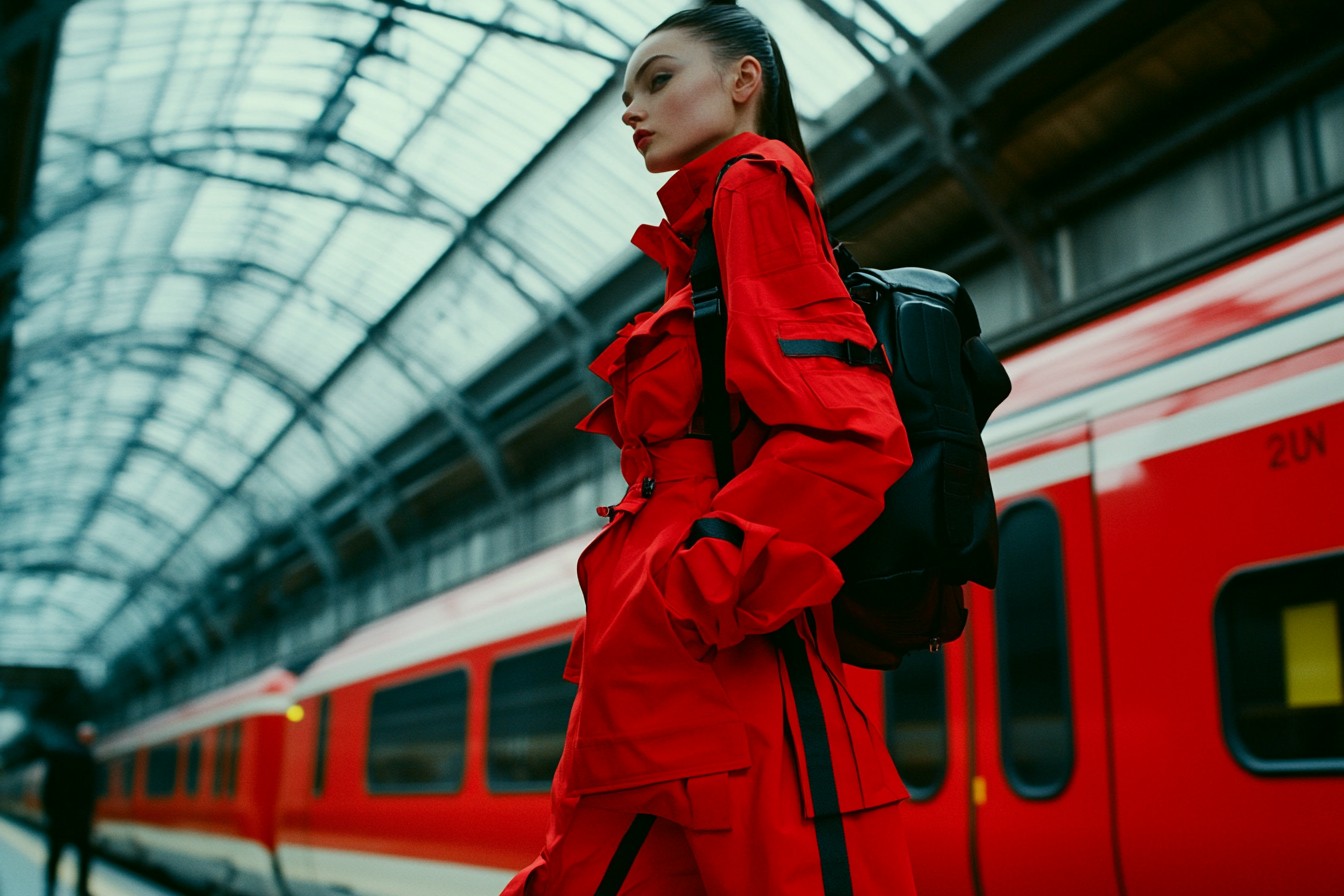
Shoes are probably where I’ve made the most mistakes and learned the hardest lessons. Heels and public transit are natural enemies – one unexpected train lurch and you’re either falling into someone’s lap or breaking an ankle. I tried the whole “commute in sneakers, change at work” thing, but honestly it just meant I was always carrying extra stuff and sometimes forgetting to pack the work shoes.
The answer has been investing in shoes that can actually do both jobs. I saved up and bought a pair of Everlane Day Loafers that have enough rubber sole to handle wet sidewalks and train platforms, but still look polished enough for client meetings. They were $158, which honestly made me nauseous to spend, but after wearing them almost daily for six months, the cost per wear is getting reasonable.
For anyone who can’t swing $150+ shoes, I’ve had good luck with Target’s A New Day loafers and Payless (RIP) block heel boots before they closed. The key is avoiding anything too structured or precious – you want shoes that can handle getting stepped on, splashed, and generally abused while still looking intentional.
And seriously, if you’re committed to heels, block heels only. I see people trying to commute in stilettos and it’s like watching someone navigate an obstacle course blindfolded. One aggressive train stop and it’s over. Cole Haan makes these block-heeled pumps that have actual cushioning in the sole, and while they’re not cheap, they’ve saved my feet during those unexpected “train delays, you’ll be standing for an hour” situations.

Bags deserve their own essay because finding something that works for commuting while looking professional is like solving a puzzle. You need something big enough for your laptop, wallet, water bottle, emergency snacks, umbrella, and whatever random stuff accumulates throughout the day. But it also needs to be secure because crowded trains are pickpocket heaven, comfortable to carry when you’re standing for long periods, and not look like hiking gear when you walk into the office.
I went through so many bags before finding my current setup. Totes look professional but they’re impossible to secure and horrible to carry when standing. Regular backpacks are comfortable but look too casual for most offices. Shoulder bags dig into your shoulder when they’re loaded with laptop weight.
The solution I finally found was this convertible bag from a brand called Dagne Dover – it can be carried like a tote with handles, but it also has backpack straps that tuck away. It’s not cheap at $185, but it has a padded laptop compartment, water-resistant coating, and enough organizational pockets that I’m not digging around for my train pass while holding up the boarding line.
For budget alternatives, JanSport has started making more professional-looking backpacks that don’t scream “middle school student,” and Target’s Universal Thread line has some decent work totes with laptop sleeves. The key features to look for are water resistance (trust me on this), secure closures (not just magnetic snaps), and padded straps if you’re carrying any weight.

The thing nobody talks about is how much your underwear matters when you’re commuting. Sounds weird, but hear me out – when you’re walking a lot, climbing stairs, dealing with temperature changes, and generally being more active than you would driving to work, your base layers make a huge difference. Cheap bras that don’t fit right become torture devices during long commutes, and underwear that rides up or doesn’t breathe well can ruin your whole day.
I’ve become a Uniqlo Airism convert for this reason. Their base layers are designed to wick moisture and regulate temperature, which sounds technical and unsexy but is actually life-changing when you’re dealing with Portland’s unpredictable weather and MAX trains that are either arctic or tropical with no middle ground.
The most important lesson I’ve learned from three years of trial-and-error commuter dressing is that resilience matters more than perfection. There’s no outfit that’s going to make you look like a magazine editor after 45 minutes on crowded public transit, and that’s okay. The goal is arriving at work looking like a competent professional rather than someone who just escaped a washing machine.
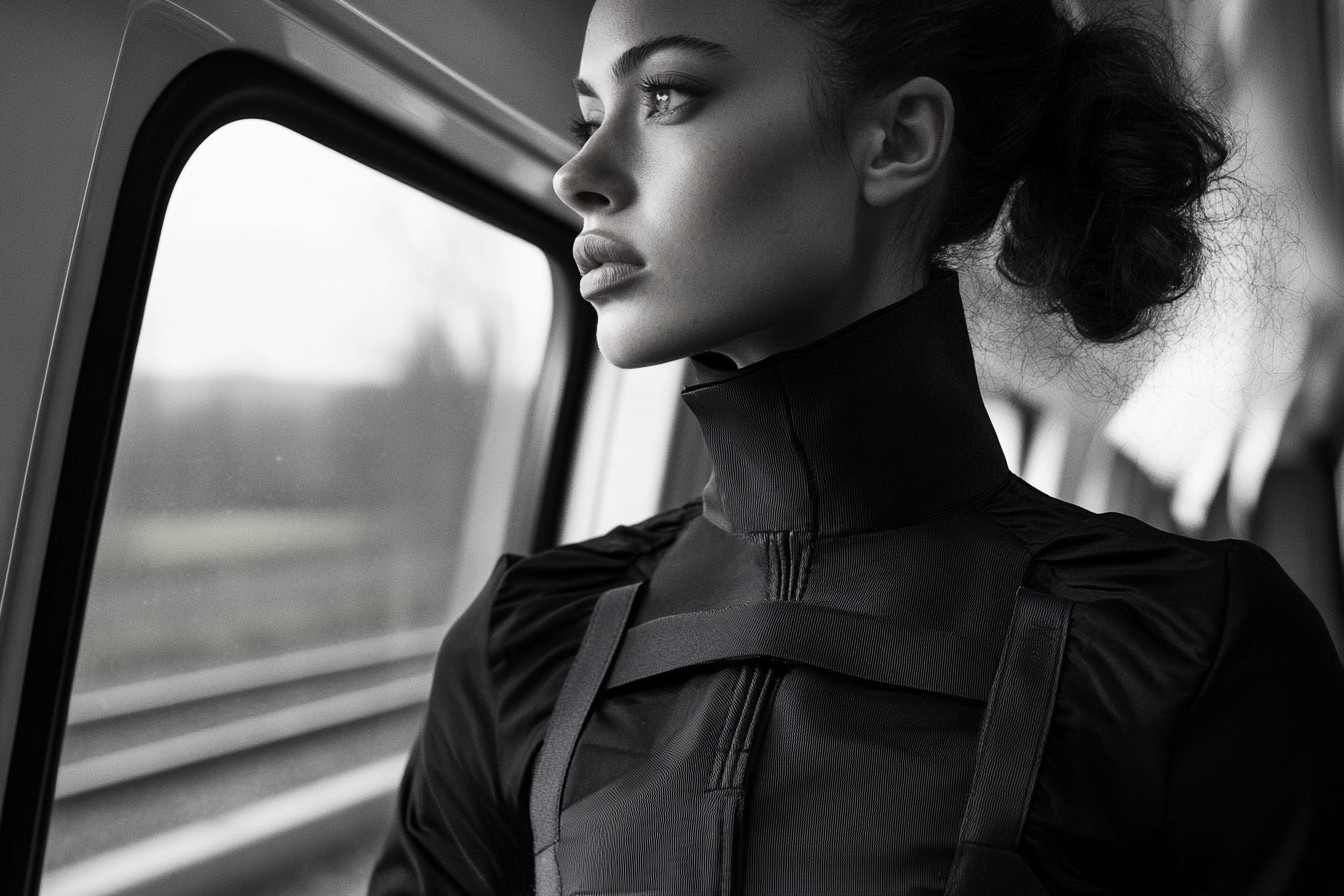
This means prioritizing clothes that recover well from being crushed, stretched, and generally abused. It means choosing darker colors that don’t show every speck of dust or mysterious stain. It means accepting that some fashion rules don’t apply when you’re navigating the real world of public transportation.
I keep emergency supplies in my desk drawer now – lint roller, stain removal pen, travel-size deodorant, and a backup cardigan that instantly makes any outfit look more put-together. These aren’t fashion items, they’re survival tools for the reality of commuting while trying to look professional.
The other reality check is adjusting your expectations. Perfect, pristine workwear is for people with private cars or very short walks to work. For those of us depending on public transit, success is measured differently – did I arrive looking appropriate for my job? Can I sit through a meeting without worrying about visible sweat stains or wrinkles? Do I feel confident despite whatever chaos the commute threw at me?
So yeah, there absolutely is a need for workwear that can handle the reality of commuting via public transit. But the solution isn’t one perfect brand or magical fabric – it’s a whole strategy of choosing clothes that can withstand the particular challenges your commute presents while still letting you show up as the competent professional you are.
And if you see me on the MAX Blue Line, crushed against the window in strategically chosen navy pieces that don’t show wrinkles and holding onto a bag that’s seen better days but still functions perfectly, just know that every single item I’m wearing has been tested through countless commuting disasters. Each wrinkled shirt, ruined coat, and broken heel has taught me something about what actually works when urban public transit does its absolute worst to your carefully planned outfit.

Madison’s a Portland-based designer who treats thrift stores like treasure hunts. She writes about dressing well on a real salary—think smart buys, affordable finds, and brutal honesty about what’s worth it. Stylish, broke, and proud of it.