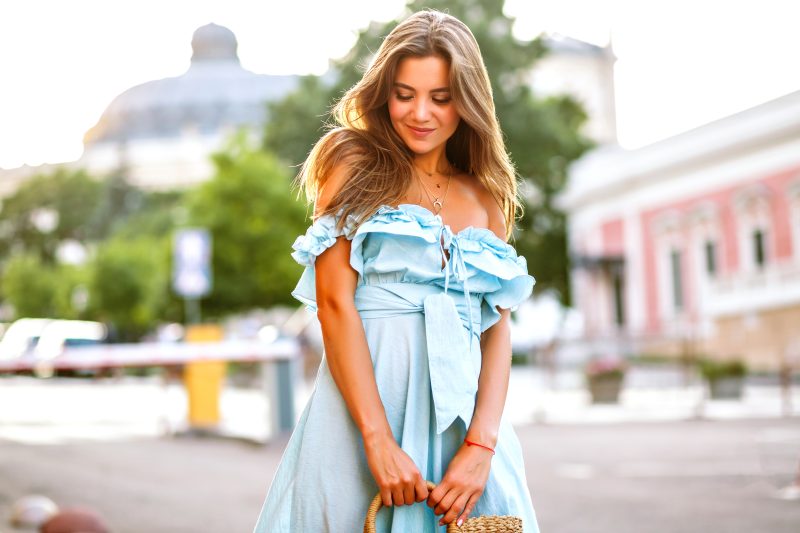
The first British wedding I attended as an adult nearly ended my social life before it properly began. I was twenty-five, had just moved to Boston for work, and got invited to my Harvard classmate’s wedding back in the Cotswolds. The invitation said “Morning Dress” and I—being American and having zero clue about British wedding terminology—literally thought it meant wear something appropriate for morning. So I showed up in what I’d wear to a nice brunch in Atlanta: a cute wrap dress and wedge sandals. Everyone else looked like they’d stepped out of Downton Abbey, complete with fascinators that probably cost more than my monthly student loan payment and men in actual top hats. I spent the entire ceremony trying to make myself invisible behind a massive flower arrangement.
That mortifying experience launched what became an obsessive study of British wedding etiquette, because apparently there are more unspoken rules around wedding guest attire in the UK than there are about actual financial regulations in my day job. And trust me, finance has a lot of rules.
Over the past few years, I’ve been to probably fifteen British weddings through various work connections, business school friends, and that weird way expats collect international social obligations. I’ve made spectacular outfit mistakes at most of them before finally figuring out the system. It’s like learning a completely foreign language where the wrong word choice doesn’t just cause confusion—it gets you talked about by the mother of the bride for years afterward.
The thing about British wedding guest dressing is that it’s not just about looking nice. It’s this incredibly complex social signaling system where your outfit communicates everything from how well you know the couple to your understanding of class dynamics to whether you respect tradition. Get it wrong and you’re not just inappropriately dressed—you’re culturally tone-deaf in a way that people remember.
Let me break down what I’ve learned, starting with the most terrifying category: traditional church weddings with all the pomp and circumstance. When that invitation says “Morning Dress,” it’s not a suggestion or a theme—it’s literally a dress code with specific requirements. Men wear tailcoats and striped trousers like they’re attending a state funeral, and women are expected in proper dresses with actual hats. Not cute little hair accessories, but legitimate headwear that requires its own planning.
For these events, I’ve learned the female guest uniform is basically: knee-length or longer dress (never above the knee, ever), covered shoulders for the church ceremony, proper shoes with actual heels, a structured handbag, and something substantial on your head. The British take wedding hats seriously in a way that still baffles me. I’ve watched women spend more time coordinating their fascinator than I spend on quarterly earnings reports.
The color situation is its own minefield. Obviously white is forbidden—I watched a guest get “accidentally” wine-splashed at a wedding in Surrey because her dress was too close to ivory. But there are subtler rules too. Too much black looks like you’re mourning the marriage. Too much red looks attention-seeking. Too bright and you’ll dominate all the photos. I’ve developed this personal color theory based on wedding location and season that’s probably overly complicated but hasn’t failed me yet.
London weddings let you get away with more sophisticated colors—navy, metallics, even black if it’s styled right. Country weddings seem to favor those soft, garden party colors that rich British people apparently grow up knowing how to wear. Spring and summer mean pastels and light colors, autumn allows deeper tones. It sounds formulaic when I write it out, but it actually works.
The fascinator politics alone could fill a business case study. Too big and you’re competing with the bride’s mother. Too small and why did you even bother. I’ve seen women engage in passive-aggressive headwear warfare that would make my most ruthless colleagues look amateur. At one wedding in Oxfordshire, I swear the bride’s aunt and the groom’s stepmother were trying to outdo each other with increasingly elaborate fascinators. By the reception, it looked like exotic birds had taken over the marquee.
My personal fascinator disaster happened at a tent wedding where I wore this beautiful but overly feathered piece. Between the low ceiling and my enthusiasm on the dance floor, I basically molted across the reception. I was finding feathers in my handbag weeks later.
For slightly less formal but still traditional weddings—which is most of what I encounter—the rules soften just enough to be manageable. Hats become optional instead of mandatory, hemlines can be a tiny bit more flexible, and there’s room for actual personal style within the framework. This is where knowing the families becomes crucial for calibrating your outfit correctly.
I went to this wedding in Hampshire where half the guests looked ready for Royal Ascot and the other half were dressed for an upscale garden party. After some detective work, I figured out the divide was bride’s side versus groom’s side—her family being traditional county types, his being more modern London professionals. The cultural clash was fascinating to observe, though probably stressful to navigate if you were related to both sides.
Then there are the hybrid events that are becoming more common—country house hotels, converted barns, those Pinterest-perfect venues that combine traditional elements with contemporary styling. These are honestly the trickiest to dress for because “formal” can mean completely different things depending on context.
For these weddings, I’ve found that well-chosen separates often work better than a traditional dress. A silk midi skirt with a beautiful blouse and blazer hits that sweet spot between respectful formality and contemporary style. These events are where I deploy my “occasion trousers”—you know, those perfectly tailored pairs that somehow look dressy despite being fundamentally the same as work pants.
I invested in this navy silk jumpsuit two years ago that has literally saved me at multiple weddings of this type. Same piece, different accessories and styling each time, and it always looks appropriate without being boring. It’s become my secret weapon for when I can’t quite decode the dress code from the invitation.
The casual end of the spectrum presents different challenges. Registry office ceremonies, pub receptions, couples who specifically want to avoid traditional formality—how do you look appropriately celebratory without being overdressed or looking like you didn’t make an effort?
I’ve learned the “elevated version of yourself” approach works well here. Take your normal style and upgrade it enough to acknowledge that this is a special occasion. Maybe your best jeans with a gorgeous silk shirt and statement jewelry, or a casual dress in luxurious fabric. The goal is looking intentional rather than accidental.
At this very low-key wedding in Wales, most guests interpreted “casual” correctly and wore smart but relaxed outfits. One woman arrived in full traditional wedding regalia complete with a serious hat and formal shoes. The bride was wearing a simple cream suit, and you could see her face fall slightly. The overdressed guest spent the entire day perched uncomfortably on pub benches like she’d gotten lost on her way to a different event.
Regional differences add another layer of complexity. Scottish weddings, especially when the men are wearing kilts, seem to encourage more dramatic dressing from female guests to match the inherent theater of Highland formal wear. Northern English weddings, in my experience, often feature more glamorous styling than southern ones—higher heels, bolder colors, more going-out energy.
Weather is always a factor in Britain, obviously. I’ve shivered through July weddings where my decorative pashmina provided zero actual warmth, and melted at September events during unexpected heat waves. Now I always pack both sunglasses and a compact umbrella regardless of the forecast or season.
The outfit change question comes up a lot—do you need different clothes for evening reception versus daytime ceremony? For most weddings, no. Unless there’s a dramatic formality shift or significant time gap, changing outfits can look unnecessarily attention-seeking. Strategic adjustments work better—removing a jacket, switching accessories, changing from heels to flats for dancing.
Let’s talk about re-wearing outfits, because the financial pressure of new clothes for every wedding is real. I’ve built a capsule of occasion wear that can be reconfigured and restyled—that navy jumpsuit, a couple of midi dresses in different colors, several statement tops that work with my good black trousers. The key to successful rewearing is changing everything else—shoes, jewelry, bag, hair. I’ve worn the same green dress to three weddings with overlapping guest lists, styled completely differently each time, and gotten compliments on my “new dress” at all three.
If you’re in that awkward “almost family but not quite” category—long-term partners, close family friends, godparents—it’s worth asking for guidance. These semi-official roles often come with unspoken expectations about coordinating with bridal party colors or family photos. I learned this the hard way when I showed up in bright pink to discover all the quasi-family members had been quietly told to wear pastels. I stood out in group photos like a tropical bird.
The reality is that all your careful outfit planning can be instantly undermined by everyone else’s interpretation of the dress code. You can follow every rule perfectly and still be completely wrong if the other guests read the situation differently. This is why I’ve developed the ability to adjust my outfit’s formality level on arrival—removable fascinators, layering pieces that can disappear, accessories that can dial things up or down.
I keep an emergency kit in my car for weddings: flat shoes for unexpected terrain or dance floor salvation, a small fascinator in case I’ve underestimated formality requirements, a pashmina for surprise weather or aggressive air conditioning, and a statement necklace to elevate a simple outfit if needed. This kit has saved me more times than I want to admit.
The best advice I can offer after years of British wedding attendance is this: the goal isn’t to be the best-dressed guest. It’s to look completely appropriate without drawing attention away from the bride and groom. Your outfit should demonstrate that you understand and respect the specific event you’re attending, not showcase your personal style at the expense of everything else.
At a wedding in Bath last year, an elegantly dressed older woman complimented my outfit choice. When I returned the compliment, she smiled and said, “The secret is to dress for the wedding you’re at, not the one you wish you were at.” Later I found out she’d been to over 200 weddings in her lifetime, so I’m taking her advice as gospel.
As someone who’s navigated both American and British wedding culture, I can say the British system is more complex but ultimately more helpful once you understand it. The rules exist for a reason—they create a framework where everyone can feel appropriately dressed and confident. The challenge is just learning the code.
So when those invitations start arriving, remember your outfit isn’t just clothing—it’s communication. You’re visually demonstrating that you understand the cultural context of this particular celebration. Decode the clues, respect the unwritten rules, prepare for weather chaos, and when in doubt, ask someone who’s known the couple longer than you have. Maybe keep a backup outfit in the car, just in case.

By day, Jasmine works in finance. By night, she writes about making corporate fashion actually interesting. Her Boston wardrobe proves office-appropriate doesn’t have to mean boring, and that investment dressing can be both powerful and personal.