
The taxi driver caught my eye in his rearview mirror and I could tell he was trying not to laugh. “First time in Newcastle, is it?” he asked, and I hadn’t even said where I was from yet. Apparently my outfit – black skinny jeans, a silky camisole, ankle boots, and yes, a proper winter coat – screamed ‘tourist’ louder than if I’d been carrying a guidebook and taking photos of everything.
“That obvious?” I asked, though I already knew the answer because we were pulling up outside the bar and I could see groups of local women heading inside wearing what appeared to be summer dresses and strappy heels. In January. With actual snow falling.
“The coat gave you away,” he grinned. “Our lasses don’t bother with all that.”
He wasn’t wrong. I watched these women glide across icy pavements in tiny dresses like they had some kind of internal heating system I’d never been issued. Meanwhile I looked like I was dressed for a hiking expedition rather than a Friday night out in the Bigg Market.
That night was my introduction to something I’ve become slightly obsessed with over the past few years – the fact that you can basically GPS-locate a British woman based purely on her going-out outfit. I’ve done extensive field research since then (and by field research I mean I’ve spent way too much time in various British cities observing what people wear when they’re trying to have a good time), and honestly? Regional going-out uniforms are more reliable than accents these days.
Starting with Newcastle because that’s where this whole thing began for me. The Geordie going-out look is so consistent it’s almost like a uniform – short bodycon dress in a bright color or with some kind of sparkly detail, sky-high heels, flawless fake tan, makeup applied with what must be professional-grade precision, and hair that’s been styled within an inch of its life. The key element though is the complete rejection of weather-appropriate clothing. Coats are for southerners, tights are a sign of weakness, and goosebumps are basically a fashion accessory.
My friend Lindsey, who’s Newcastle born and bred, explained the logic to me later. “It’s about showing you’ve made an effort,” she said. “Your mam went out looking glamorous, so you do too. Turning up looking like you couldn’t be bothered is worse than being cold for five minutes.” The five minutes being the dash from taxi to venue, because Newcastle’s nightlife ecosystem is designed around minimal outdoor exposure. “Plus the bars are always boiling hot,” she added. “A coat would just be something else to lose.”
Liverpool takes a similar approach but with more fashion-forward elements mixed in. Scouse women are famous for their polished looks, but there’s more experimentation happening – whatever trend is currently dominating Instagram or ASOS will appear on Concert Square within days, executed with the meticulous attention to detail the city’s known for.
“Looking ‘done’ is the baseline here,” my friend Sophia told me when I visited her there. She grew up in Liverpool and now works in fashion PR, so she knows what she’s talking about. “Hair, nails, tan, lashes – that’s just standard. But we’re also quick to pick up new trends. If there’s a new style on the high street, you’ll see it here first.” She did point out that Liverpool makes slightly more concessions to weather than Newcastle – “We’ll still dress up in winter, but you might see jumpsuits, nice trousers with a good top, even smart blazers. It’s still glamorous but not completely mental.”
Manchester does its own thing entirely. There’s still that northern commitment to making an effort, but it’s filtered through the city’s music heritage and creative industries. You get more black, more vintage influences, more of an edge that reflects Manchester’s indie credentials.
“It’s glamour but with attitude,” explained Tasha, who moved from London to Manchester a few years back. “You’ll see the dresses and heels, but mixed with vintage leather jackets, band t-shirts styled as going-out tops, unexpected accessories. There’s less uniformity – it’s more about individual style.” This is especially true in the Northern Quarter, where the going-out uniform might be high-waisted jeans, a cropped vintage top, and chunky boots. Meanwhile Spinningfields attracts a more traditionally polished crowd that wouldn’t look out of place in Liverpool.
Leeds follows Manchester’s lead – traditional northern glamour around Call Lane, more alternative styling near the universities. Sheffield’s even more relaxed because of all the students. “You can wear jeans and a nice top to most places in Sheffield and not feel underdressed,” my flatmate Tom observed. Though you’ll still see the full dress-and-heels treatment in certain venues, particularly the ones that cater to a post-university crowd.
Blackpool deserves its own mention because it’s like the northern going-out aesthetic turned up to eleven. Short, tight, bright, and accessorized to the max. “No one goes to Blackpool for subtle,” laughed my friend Deena, who grew up on the Fylde coast. “The outfits match the energy – loud, fun, not taking themselves seriously.” It makes sense when you think about it – Blackpool’s built for hen parties and weekend breaks, so the clothing follows suit.
The Midlands is where things start getting interesting because you can see the transition happening. Birmingham changes dramatically depending on where you go – Broad Street still embraces full northern glamour, while the Custard Factory and Digbeth lean more alternative and experimental. Nottingham’s similar – the standard “jeans and a nice top” that dominates much of the country shows up here, but certain venues still call for the full treatment.
Then you hit London and everything changes. The most striking difference is the calculated casualness – this impression that less effort has been made, when actually enormous effort has gone into looking effortless.
“London going-out style is about appearing like you haven’t tried too hard while trying incredibly hard in completely different ways,” my friend Imani explained to me. She’s lived in London her whole life so she understands the psychology. “It’s not about obvious glamour – it’s about the perfect vintage find, or the interesting designer piece, or the ‘effortless’ look that actually cost three hundred pounds.”
What this means in practice is outfits that might look underdressed to northern eyes – good jeans with an interesting top, midi dresses with trainers, vintage pieces mixed with contemporary stuff, generally more covered-up. Makeup tends to be either minimal or deliberately conceptual rather than traditionally glamorous. Hair looks artfully undone rather than precisely styled.
That’s not universal though – Mayfair and Chelsea still do high-end polished glamour, while places like Dalston or Peckham have developed their own codes involving carefully curated vintage, independent designers, and deliberate rejection of mainstream trends.
Brighton takes London’s studied casualness and adds bohemian influences plus sustainability consciousness. “The worst thing you can do in Brighton is look too ‘done,'” my friend Leila told me when she moved there from Manchester. “The goal is effortless cool, preferably in something vintage or from a local independent rather than a chain.” This might mean vintage Levis with an unusual top, an unexpected dress with chunky boots, layered separates creating interesting silhouettes. Fast fashion gets judged harshly here – visible sustainability credentials add social points to outfits.
Bristol follows similar patterns because of its creative community. There’s definitely a “Bristol look” – bit 70s-influenced, bit alternative, never too polished. “Think high-waisted jeans, interesting tops, chunky boots or trainers, and always layers because the weather’s so unpredictable,” my friend Meena explained. She’s been there a decade and has the layering thing down to an art form.
Cardiff sits somewhere between northern glamour and southern casualness. “Cardiff women make an effort, but there’s less pressure than Newcastle,” my Welsh friend Rhian told me. “You’ll see dresses and heels, but also plenty of jeans-and-nice-top, especially in student areas.”
Scotland does its own thing too. Edinburgh encourages a slightly more formal approach than similar-sized English cities. “There’s an elegance to Edinburgh nightlife,” my Scottish friend Isla explained. “Not necessarily super dressed-up, but definitely put-together – nice dresses, proper coats because it’s always freezing, good shoes.” Glasgow’s more experimental and fashion-forward. “Glasgow has really distinctive style,” Isla continued. “More edge, more willingness to try trends, more creative mixing of high street and vintage. People take fashion risks here.”
Belfast likes traditional glamour but makes practical concessions that Newcastle wouldn’t dream of. “Belfast women like dressing up, but we’re sensible about it,” my friend Siobhan explained. “You’ll see tights in winter, proper jackets, but still a real effort underneath.”
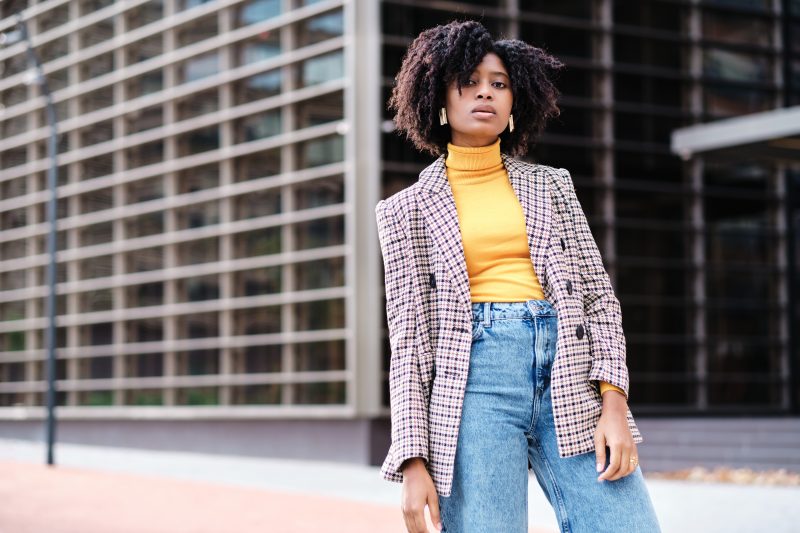
Age creates another layer to all this. The traditional short-dress-and-heels thing is mostly women in their late teens to early thirties, with gradual transitions to more covered-up looks as you get older. The jeans-and-nice-top formula works across much wider age ranges, just adapted with different jean styles and progressively less revealing tops.
Venue type matters too, obviously. Even in Newcastle, women dress differently for cocktail bars versus clubs versus pubs. The high-glamour look is most associated with mainstream clubs and bars. Pubs allow for much more casual approaches everywhere. Live music venues have their own dress codes influenced by genre – more alternative for indie, more flamboyant for pop, more dramatic for rock.
What’s fascinating is how persistent these regional differences remain despite social media and national retail chains. We all follow the same influencers, shop the same websites, yet these distinctive local styles keep thriving.
Partly it’s social reinforcement – you dress to fit in with your group, who are probably local with similar influences. Partly practical – climate and transport methods influence choices more than we realize. Northern cities with concentrated nightlife districts make the taxi-to-venue dash feasible even in minimal clothing. London’s dispersed scene often involves longer walks or public transport that require more practical thinking.
But mostly, these regional going-out uniforms have become identity markers and sources of pride. Geordie women seeing braving the cold in tiny dresses as a badge of honor. Liverpudlian women’s meticulous grooming being a celebrated cultural trademark. London’s studied casualness making statements about values and cultural positioning as much as fashion preference.

Having lived in multiple British cities now, I’ve found myself adapting my going-out wardrobe each time – adding color and making more effort in Manchester, embracing calculated casualness in London, experimenting with vintage in Bristol. It’s social adaptation through clothing, revealing how much we use outfits not just for individual expression but community belonging.
So if you’re planning a night out somewhere unfamiliar, check the local uniform first. Your London-appropriate vintage jeans might leave you underdressed in Newcastle. Your Liverpool-ready bodycon dress could mark you as obviously foreign in Brighton.
Or do what I do now when visiting Newcastle – pack the skimpy dress but wear your coat to the door, where you can check it with a knowing nod to local customs. Just don’t forget taxi money home. No outfit, regional or otherwise, is worth actual frostbite.

Claire started Claire Wears to bridge the gap between fashion media and real life. Based in Chicago, she writes with honesty, humor, and a firm “no” to $300 “affordable” shoes. Expect practical advice, strong opinions, and the occasional rant about ridiculous trends.