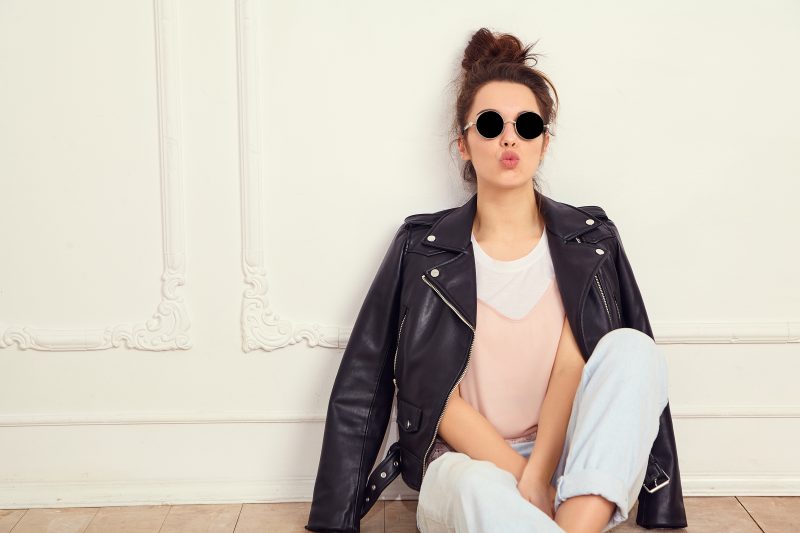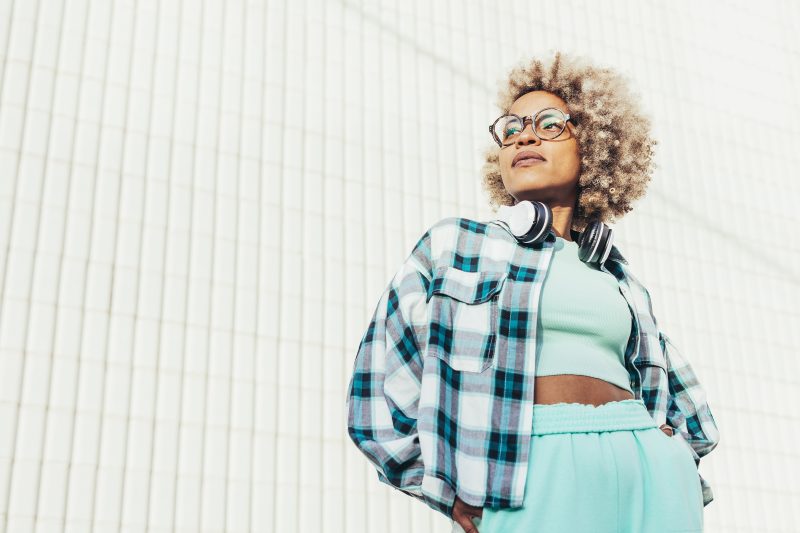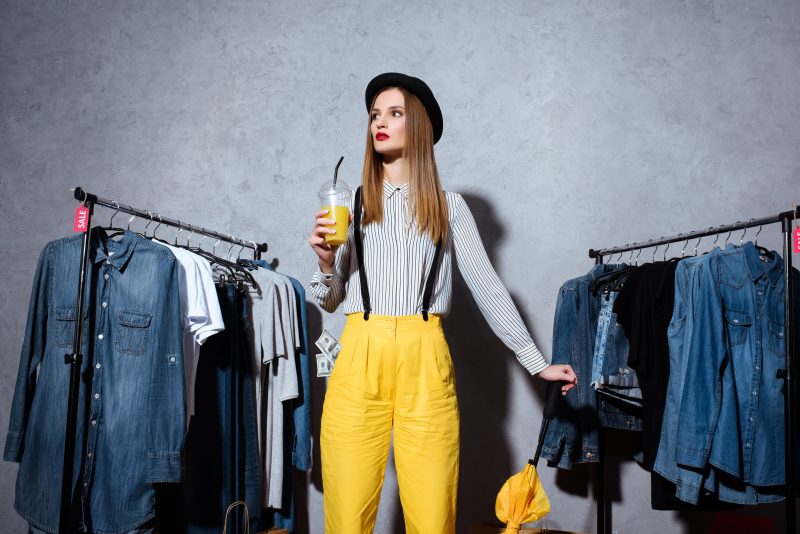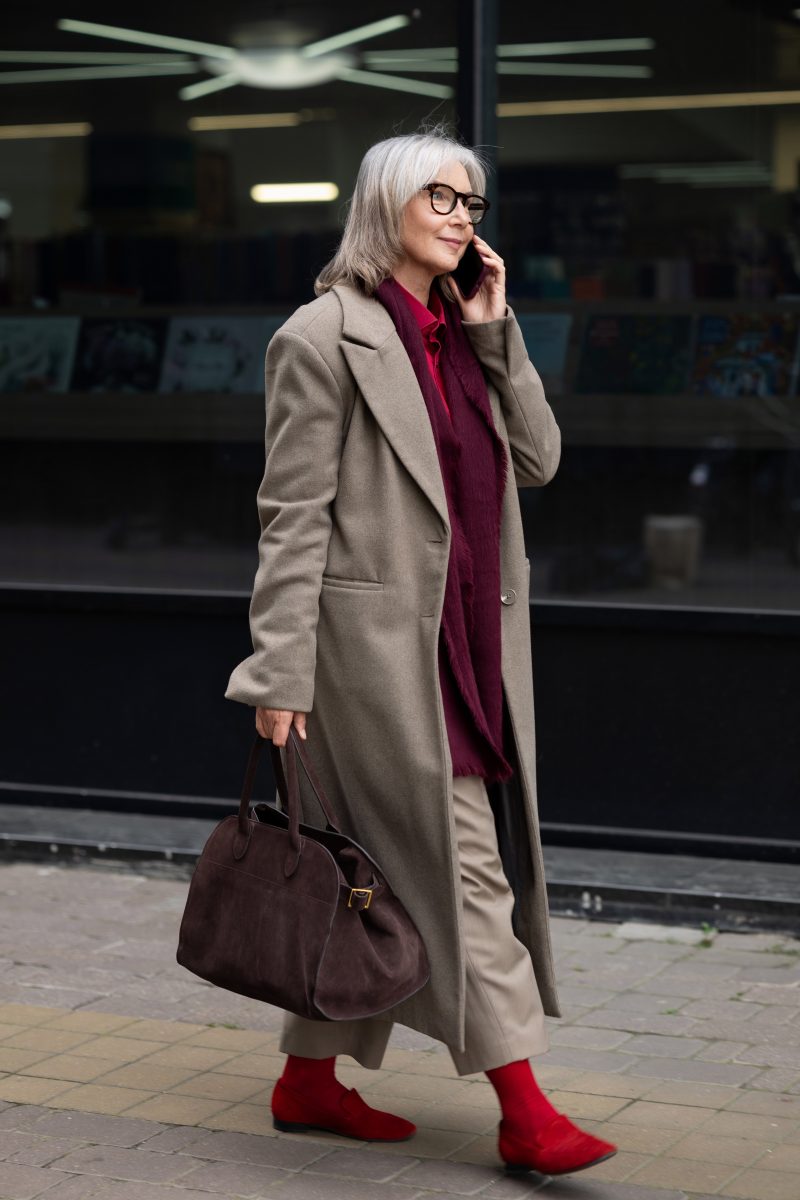
Look, I need to be honest with you about something – those perfectly curated Fashion Week Instagram posts showing editors floating between shows in immaculate designer outfits? Total fiction. I mean, I get why the fantasy exists, but after enough seasons watching this whole circus from the sidelines (and okay, attending a few events when my budget and connections aligned), I can tell you the reality is way messier and honestly more interesting.
The whole mythology around Fashion Week dressing is basically fashion media marketing itself. You’re supposed to believe these people have unlimited budgets, personal stylists, and somehow never spill coffee on themselves or get caught in London’s inevitable downpours. But here’s what actually happens when you need to look professionally credible while basically running a marathon in February weather.
I started paying attention to this stuff when I was working on some branding projects for smaller fashion brands – had to attend a few presentations during London Fashion Week and quickly realized I had no clue how to dress for this world. My usual Portland creative uniform of vintage blazers and Target basics wasn’t going to cut it. So I started really watching what the actual fashion editors wore, not the Instagram version but the real-life, between-shows, running-for-the-tube version.
First reality check that nobody talks about? Most editors don’t change outfits during the day. I know, shocking. But think about the logistics for a second – you’ve got shows scheduled from morning until evening, often in completely different parts of London. I watched one editor last season go from Tate Modern to some warehouse in Tottenham in under an hour. There’s barely time to grab coffee, let alone do a complete wardrobe change.
What they actually do is create one really smart outfit that can handle everything the day throws at them. And let me tell you, that’s harder than it sounds. You need something that works for a 9am presentation, still looks decent when you’re sitting front row at a major show, and can transition to evening events without screaming “I’ve been wearing this for twelve hours.” Plus it needs to survive sitting, standing, walking, occasionally sprinting, and getting rained on because this is London in February.
This is where my design brain kicks in because it’s basically a problem-solving exercise. How do you create maximum impact with maximum versatility? The answer, from what I’ve observed, starts with a heavily neutral color palette. Not because fashion people are boring, but because black, navy, and grays hide coffee stains and sweat marks. Practical? Absolutely. Glamorous? Maybe not, but it works.
I started noticing this pattern where the most successful fashion week looks were built on layering systems. Makes total sense when you think about it – you’re going from freezing outdoor queues to overheated showrooms to drafty converted warehouses. I watched one editor at Somerset House basically conducting a masterclass in temperature control, adding and removing layers throughout the day without ever looking disheveled.
She had this whole system worked out – lightweight merino base, silk shirt, tailored blazer, proper coat when needed. Everything in complementary tones so any combination looked intentional. I was taking mental notes because this is exactly the kind of strategic dressing that appeals to me, you know? It’s like applying design principles to getting dressed.
The footwear situation is where the Instagram fantasy really falls apart. Sure, you’ll see towering heels in street style photos, but I’ve watched enough editors to know the reality. They’re doing the same thing I do for work events – comfortable shoes for transit, quick change to photogenic heels right before important shows. It’s like a magic trick, except the magic is basic foot comfort.
One editor I chatted with at an after-party (networking, people, it’s all networking) told me she literally schedules which shows get the heel treatment. Usually ones where she knows she’ll be seated and there’s a chance of being photographed. The rest of the time? Comfortable boots that still look polished enough to pass professional muster.
And can we talk about bags for a second? The cute little designer purses you see in photos are not what’s actually carrying these women through their days. The real fashion week bag is basically a survival kit on handles. Phone charger, printed schedules, snacks, umbrella, spare tights, hand sanitizer – it’s like they’re preparing for a natural disaster, not a fashion show.
I love that one editor described her fashion week bag as “Mary Poppins’ carpetbag” because that’s exactly what it is. The number of times I’ve seen someone save the day with a spare phone charger or emergency granola bar… these people are prepared for everything. Many of them do the bag-within-bag thing – practical tote for survival supplies, smaller pretty bag that can be extracted for photos.
Here’s another thing that surprised me – a lot of what they wear isn’t even current season. I mean, there’s definitely pressure to wear pieces from designers their publication supports, but the practical demands of fashion week often trump trend-following. These are people who’ve figured out what works and stick with it.
One features director I know has what she calls her “fashion week capsule” – proven pieces that she knows can handle the schedule. Black dress with pockets, wide-leg trousers that photograph well but allow for movement, rotation of blazers that can elevate basics. She might add one new statement piece each season, usually outerwear since that’s what shows up in street style shots, but the foundation stays consistent.
There’s also this fascinating hierarchy thing happening with the outfits. Editors-in-chief are wearing obvious current-season pieces from major designers. Fashion directors have more flexibility to mix personal style with professional requirements. Junior staff either play it super safe or go completely experimental to get noticed. I remember being that person in my early career – trying so hard to make an impression with creative styling when nobody really cared that much.
The publication you work for also dictates your fashion week aesthetic in ways that aren’t always obvious. Vogue people look like Vogue people, i-D staff look like i-D staff. It’s visual shorthand that communicates your professional identity as clearly as a name badge. Kind of brilliant when you think about it from a branding perspective.
But what I find most interesting is how distinctly London this whole approach is. It’s less polished than Paris, less trend-focused than Milan, more experimental than New York. There’s this deliberate imperfection that somehow communicates serious fashion credibility. Like, trying too hard is the worst thing you can do.
This usually means unexpected combinations – masculine tailoring with feminine details, vintage mixed with current pieces, high street basics elevated with distinctive accessories. It’s about looking like you understand fashion rather than like you’re wearing Fashion with a capital F. Subtle but important distinction.
And then there’s the weather factor, which is so British it hurts. February fashion week means dealing with rain, wind, occasional sleet, maybe some sunshine if you’re lucky. It’s not the consistent freeze of New York where you can at least plan for winter – it’s this unpredictable mess that makes outfit planning a meteorological gamble.
I’ve watched editors completely give up on preserving the perfect look in favor of just staying dry. Proper waterproof coats, good umbrellas, acceptance that sometimes function has to win over form. It’s refreshingly practical in an industry that’s often anything but.
The biggest shift I’ve noticed, especially post-pandemic, is toward comfort without sacrificing style. Before 2020, fashion week outfits were often more extreme, more statement-heavy. Now there’s been this pivot toward looks that photograph well but also work for the physical demands of the job. Nobody wants to suffer for fashion quite like they used to.
This doesn’t mean everything’s gotten casual – this is still a professional environment where appearance matters a lot. But there’s more sophistication in creating outfits that serve multiple purposes: looking credible, feeling comfortable, functioning practically, photographing well.
What’s the takeaway here? Maybe it’s that behind every seemingly effortless street style moment is someone who’s thought really hard about the practical realities of their day. The best fashion week outfits aren’t just visually striking – they’re workhorses that can handle whatever gets thrown at them.
Or as one editor put it while lacing up her sensible boots, “The secret to looking good at fashion week is still looking good after six hours of it, not just when you first arrive.” Which honestly applies to way more than just fashion week – it’s about creating style that works for your actual life, not just the version of your life that exists on Instagram.

Madison’s a Portland-based designer who treats thrift stores like treasure hunts. She writes about dressing well on a real salary—think smart buys, affordable finds, and brutal honesty about what’s worth it. Stylish, broke, and proud of it.